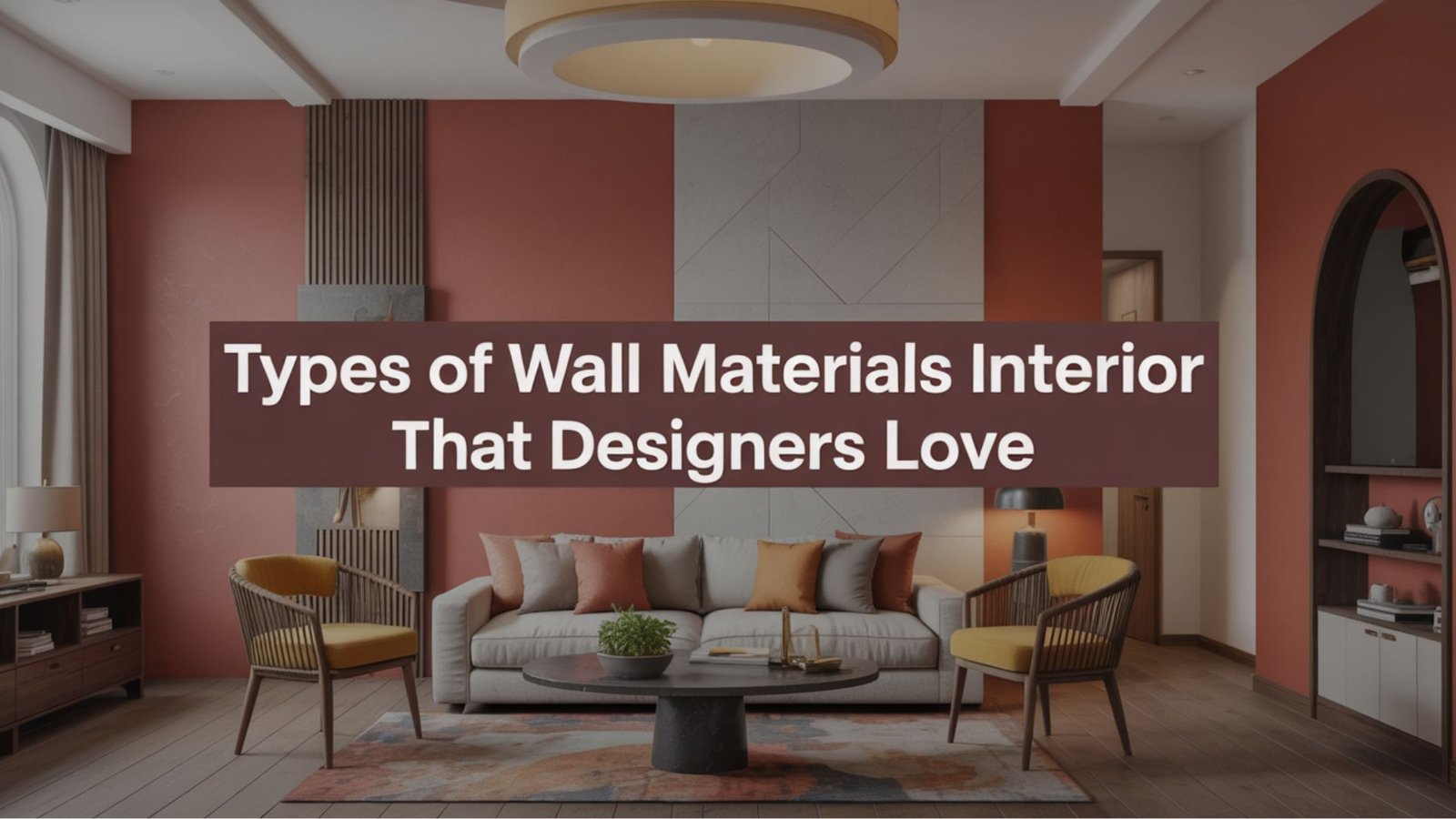
Choosing the right wall material can make or break your space. You’ve probably spent hours scrolling through design photos, wondering what makes some rooms feel expensive while others fall flat. The secret? It’s all about the walls.
This guide breaks down the exact wall materials that professional designers use in real projects. You’ll learn which options work for different rooms, what they cost, and why they’re worth considering.
No fancy jargon or pushy sales talk. Just honest information from someone who’s researched what actually works.
We’ve talked to interior designers and reviewed dozens of completed projects to bring you practical choices that fit real budgets.
If you’re renovating one room or planning a whole house, you’ll find options that match your style and needs. By the end, you’ll know exactly which wall materials deserve your attention.
Understanding Wall Materials and Finishes

Let me explain something important. Wall materials are what your walls are actually made of, think wood, brick, or concrete. Wall finishes are what go on top of those materials. Paint is a finish. So is wallpaper. So is plaster.
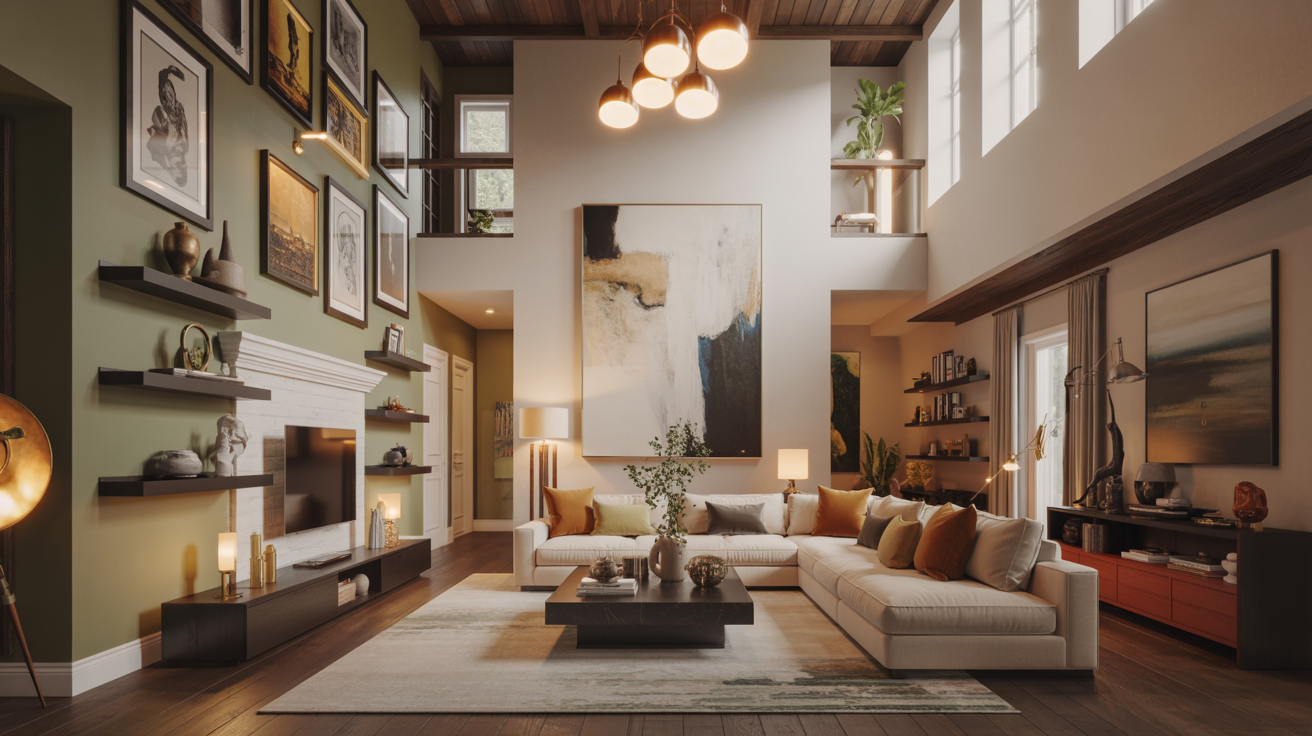
Paint color is just one piece of the puzzle. Wall materials and finishes give you texture. They add depth. A smooth, painted wall looks flat. But a textured plaster wall? It catches light differently throughout the day. Rough brick creates shadows. Smooth tiles reflect shine.
You’re not just picking a color, you’re choosing how your wall behaves in your space.
I break wall surfaces into two main groups:
- Drywall-based surfaces: These are the standard smooth walls that you paint, plaster, or paper over
- Non-drywall surfaces: Think brick, wood paneling, stone, or tile, materials that show themselves
Types of Wall Material Interior
Your walls don’t have to be boring. I’m going to show you seven materials that can transform your space. Each one brings something different.
Drywall

This is what most homes have. It’s the standard wall material and the most affordable option.
- Smooth finish: Perfect, flat surface for modern looks
- Textured finish: Hides imperfections and adds depth
- Easy to repair: Simple fixes when damage happens
You can paint it any color you want. It works for every style from traditional to contemporary.
Wallpaper

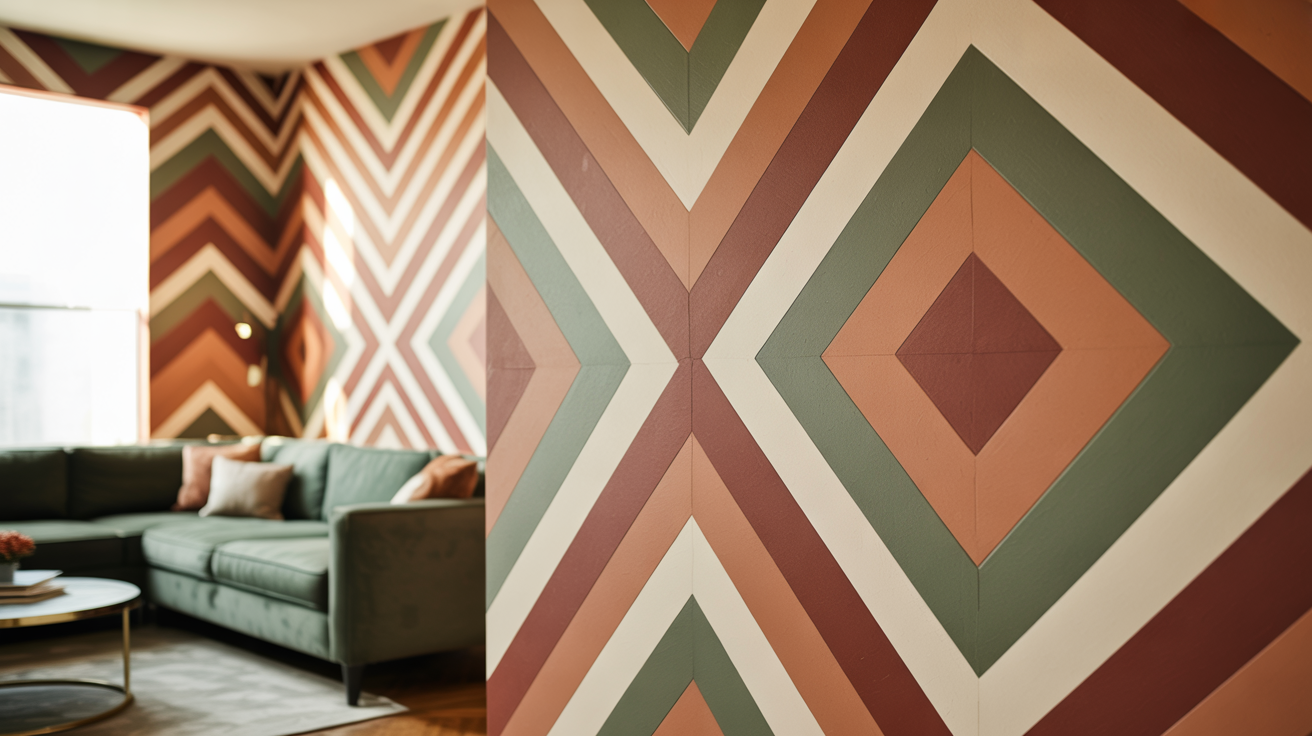
Wallpaper adds instant personality to plain walls. Modern options have changed the game completely.
- Printed paper: Endless patterns at affordable prices
- Grasscloth: Natural woven texture with organic warmth
- Vinyl: Washable and durable for high-traffic areas
Many wallpapers are removable now. You get big style impact without permanent commitment.
Plaster

Plaster brings artisan quality to your walls. Venetian plaster gets hand-troweled for beautiful depth.
- Natural variation: Every wall looks unique and handcrafted
- Light reflection: Changes appearance throughout the day
- Timeless appeal: Works in Mediterranean or modern spaces
This is craftsmanship you can see and touch. It costs more but delivers lasting beauty.
Wood Paneling

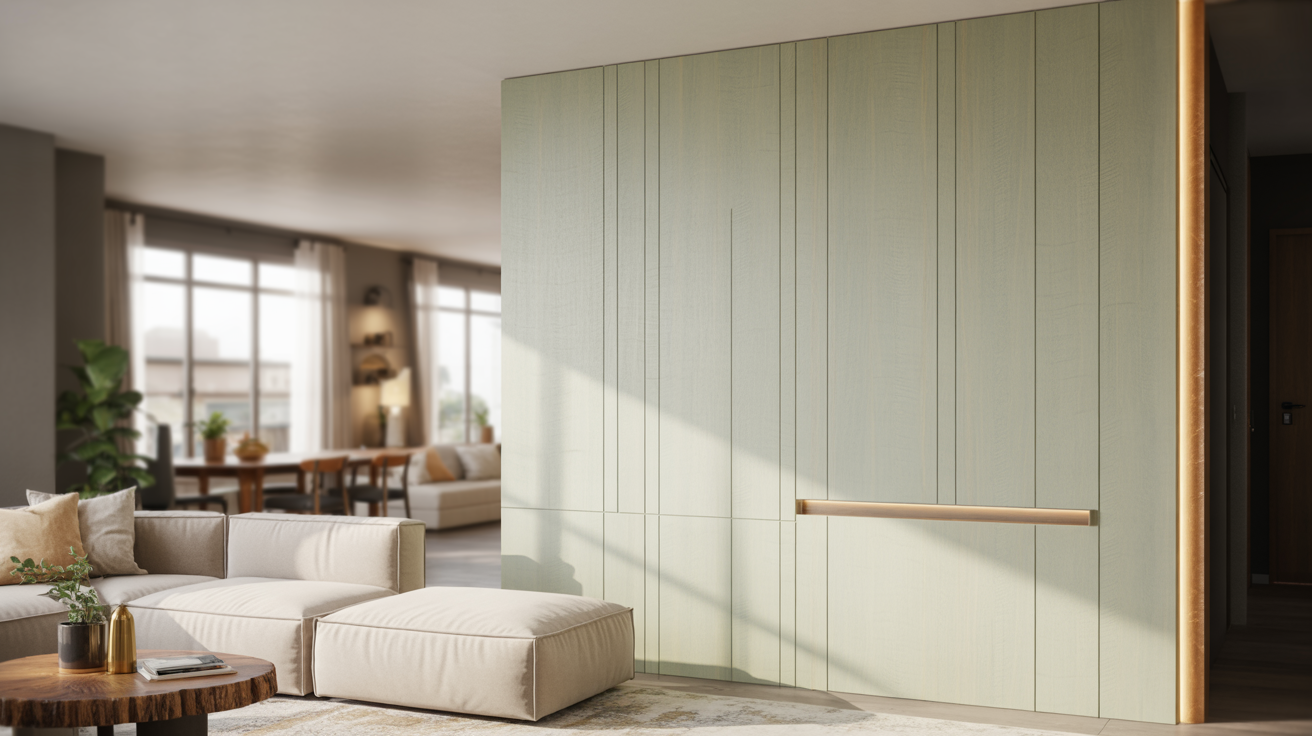
Wood adds warmth and architectural interest fast. You can install it right over existing drywall.
- Wainscoting: Lower wall panels with classic appeal
- Shiplap: Horizontal boards for farmhouse character
- Board and batten: Vertical lines that add height
Paint it, stain it, or leave it natural. Each style creates a completely different mood.
Tile

Tile handles water and heavy use like nothing else. It’s essential for bathrooms and kitchens.
- Porcelain and ceramic: Durable and budget-friendly options
- Natural stone: Unique patterns with organic beauty
- Endless designs: Patterns that become focal points
A great tile wall transforms functional spaces. It costs more upfront but lasts decades without replacement.
Brick

Brick creates instant character and drama. One accent wall changes your entire room.
- Rustic texture: Authentic surface you can’t replicate
- Industrial style: Perfect for lofts and modern spaces
- Bold statement: Becomes the room’s main feature
This material brings age and warmth immediately. It works beautifully in living and dining rooms.
Stone

Natural stone brings the outdoors inside. Each piece has a unique variation and organic beauty.
- Authentic texture: Real material with real character
- Forever durability: Lasts longer than any other option
- Timeless style: Never goes out of fashion
Stone costs more than other materials. But the visual impact makes it worth every dollar.
Factors to Consider When Choosing Interior Wall Materials

You can’t just pick what looks pretty. Wall materials affect your budget, your daily life, and how your entire space functions.
Before you commit to any wall treatment, think through these practical and aesthetic factors. Smart choices now save you money and frustration later.
- Style Match: Modern spaces need smooth drywall or plaster, while rustic homes want shiplap or natural wood. Classic interiors call for applied moldings or wainscoting
- Installation Costs: Specialty finishes like Level 5 drywall cost more due to skilled labor, while material-based walls (tile, paneling) require a higher upfront investment but add long-term value
- Easy Maintenance: Vinyl wallpaper wipes clean with a damp cloth, while plaster shows every smudge. Choose materials that match your lifestyle and cleaning habits.
- Durability Matters: Tile withstands moisture and heavy use in bathrooms and kitchens, while standard drywall chips and dents easily in high-traffic areas
- Lighting Effect: Textured walls create shadow effects under lighting that add drama, while lighter, smoother finishes reflect light and open up smaller rooms
Test your choices under different lighting conditions. What looks perfect at noon might feel totally different at night. Choose wisely.
Designer Tips for Mixing Wall Materials
You don’t have to pick just one wall treatment for an entire room. Mixing materials adds depth and visual interest. But here’s the key: you need strategy, not chaos. Random combinations look messy. Intentional combinations look designed.
- Feature Walls: Use wallpaper, paneling, or tile on one accent wall while keeping other walls smooth and painted, creating a focal point without overwhelming the space
- Balance Elements: Mix color, sheen, and texture carefully to avoid visual clutter, and pair one bold material with simpler finishes on surrounding walls
- Think Vertically: Ceilings can carry accent finishes too, extend wood paneling upward, or add subtle texture overhead to draw the eye and add architectural interest.
The best interior layer materials are thoughtfully chosen. Start with a statement wall. Keep the rest simple. Let each material breathe.
Conclusion
You now know the types of wall materials interior designers love and why they choose them for different spaces. From classic drywall to statement wood panels and sleek concrete, you’ve got solid options that fit various budgets and styles.
Picking the right wall material doesn’t have to feel overwhelming anymore. You understand what works in kitchens versus bedrooms, what’s easy to maintain, and what adds real value to your home. Trust your instincts and choose what feels right for your space.
Ready to start your wall project? Drop a comment below and tell us which material caught your eye. If this guide helped you narrow down your choices, share it with someone else who’s stuck in design limbo. Your dream walls are closer than you think.
Frequently asked questions
What are the most popular types of wall materials interior designers use?
Designers frequently choose drywall for versatility, wood paneling for warmth, brick for industrial charm, plaster for smooth style, and decorative panels for texture. Sustainable options like reclaimed wood and fiber cement are also trending. The choice depends on your style, budget, and room function.
Which interior wall material is best for moisture-prone areas?
For bathrooms and kitchens, fiber cement board, ceramic tiles, and moisture-resistant drywall (green board) work best. These materials resist water damage and prevent mold growth. Sealed stone and glass panels are also excellent choices for high-humidity spaces while adding visual appeal.
Are natural wall materials better than synthetic ones for interiors?
Natural materials like wood, stone, and clay offer unique textures, breathability, and eco-friendliness. Synthetic materials provide consistency, lower costs, and easier maintenance. Neither is universally “better”. The right choice depends on your priorities, budget, aesthetics, and environmental concerns.
How do I choose wall materials for small interior spaces?
Select light-colored, reflective materials like glossy tiles, smooth plaster, or painted drywall to maximize light and create spaciousness. Vertical wood paneling adds height, while mirrors and glass panels expand visual depth. Avoid heavy textures or dark materials that make rooms feel cramped.
What’s the most cost-effective interior wall material for renovations?
Drywall remains the most budget-friendly option, offering smooth surfaces ready for paint or wallpaper. Painted MDF panels and peel-and-stick materials also provide affordable style. For a character on a budget, consider accent walls using reclaimed wood or brick veneer instead of full-room applications.