Your walls do not need to stay plain. Paint is one of the easiest ways to refresh a room, and you do not need special skills to make it look good.
Most people assume bold designs are difficult, but simple steps can give your space a fresh character.
This guide shares easy ideas anyone can handle. You will get clear tips on supplies, preparation, color choices, and simple methods that add interest without stress. Every approach is friendly for beginners and keeps things manageable.
You will learn quick ways to add depth, choose colors that work well together, prepare surfaces correctly, and apply paint with confidence. With a little time and the right guidance, you can give your home a warm feel this weekend.
Wall Painting Ideas
Change any room with creative paint techniques that add personality and style to your walls.
Accent Wall in Bold Color

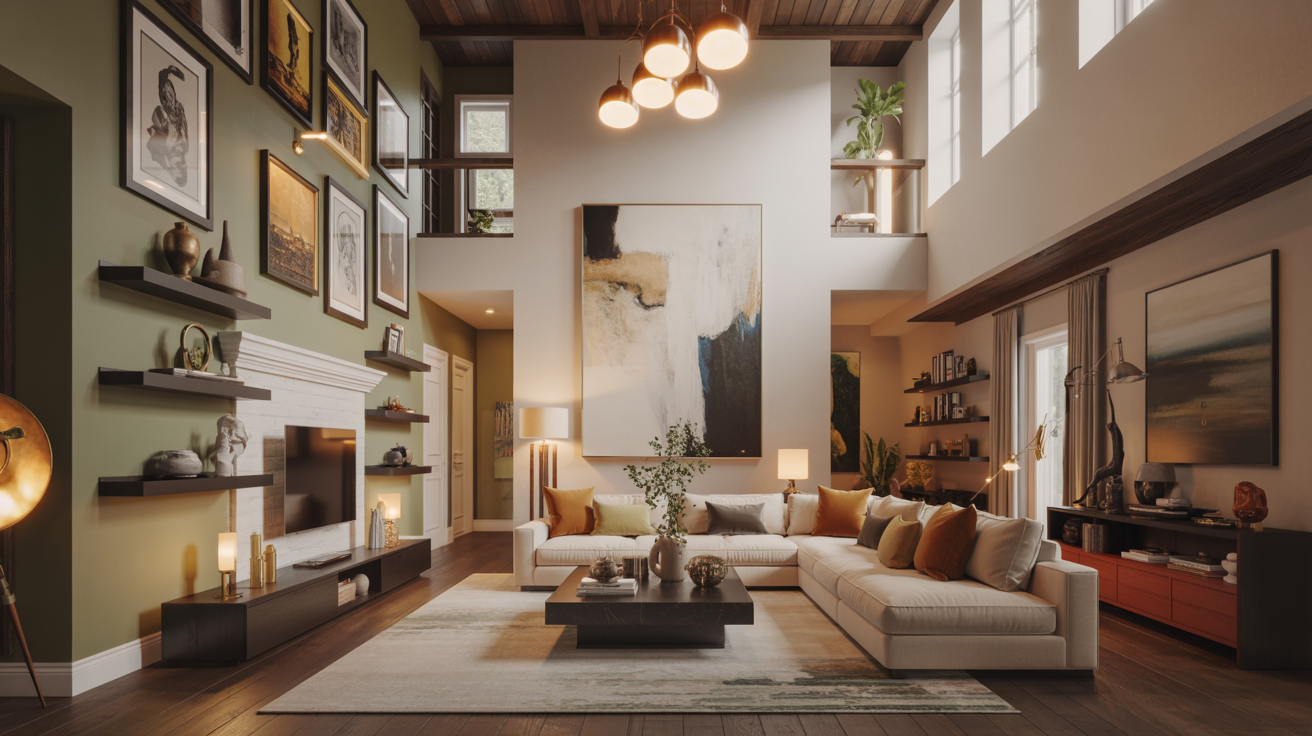
Pick one wall and paint it a bright, bold color while keeping the other three walls neutral. Choose the wall behind your bed, couch, or TV since that’s what people see first when they enter the room.
The bold color adds personality without overwhelming the space. This saves money since you only buy paint for one wall, and you only have to repaint one wall if you change your mind later.
Two-Tone Walls

Split your wall horizontally and paint the top and bottom different colors. Use painter’s tape to make a clean line where the colors meet, with the darker color usually on the bottom.
This technique adds visual interest without complicated patterns. It’s a simple way to use two colors you love in one room.
Ombre Effect

Start with a dark color at the bottom and blend it lighter toward the ceiling. Mix the paint shades while wet to create a smooth transition between colors.
This technique takes practice but creates a modern, artistic look. The color fade adds depth and works well in bedrooms or calming spaces.
Geometric Shapes

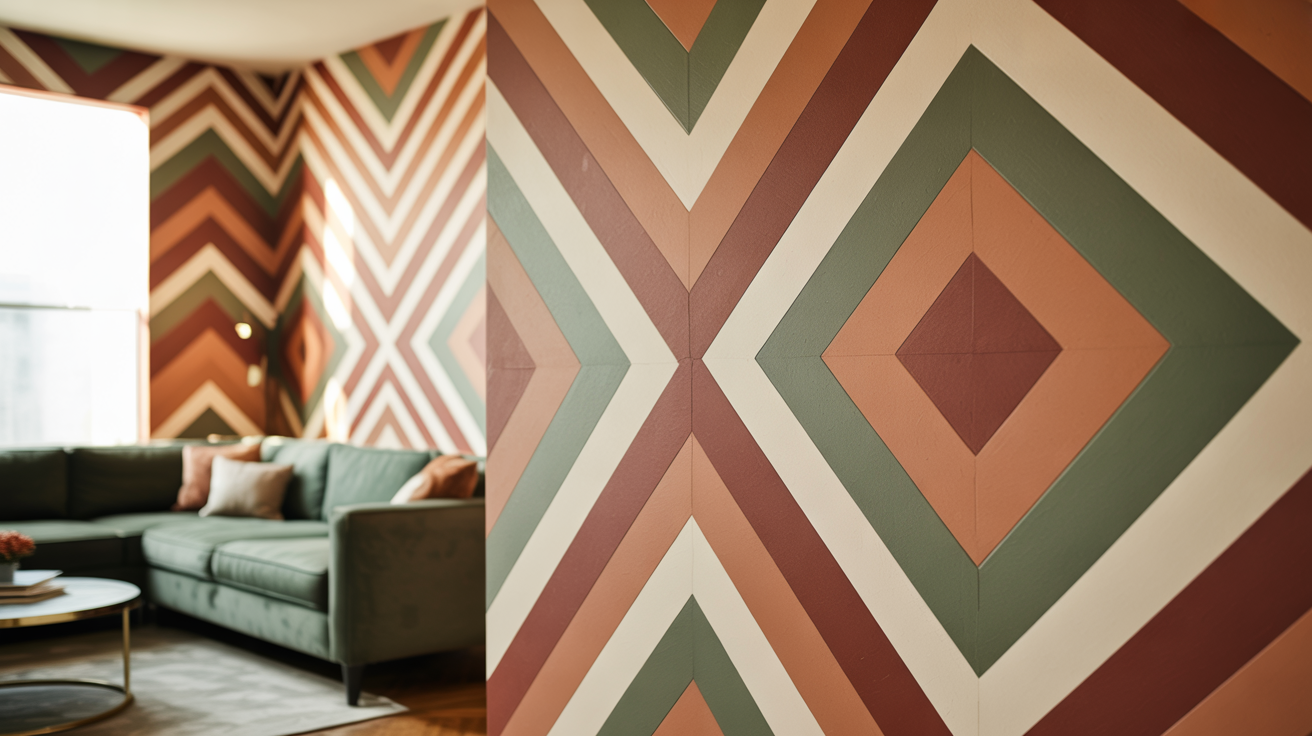
Use painter’s tape to create triangles, diamonds, or hexagons on your wall. Paint each shape a different color and plan your design on paper first.
Peel the tape off while the paint is slightly wet for clean edges. This creates a bold, modern pattern perfect for accent walls.
Stripes

Paint vertical or horizontal stripes in alternating colors using painter’s tape. Thin stripes look formal while wide stripes feel casual, and measure carefully to keep them even.
Use a level for straight lines. Vertical stripes make ceilings look higher, while horizontal stripes make narrow rooms feel wider.
Chalkboard Wall

Paint one wall with chalkboard paint so you can write notes or let kids draw with chalk. Apply two coats and let it cure for three days before using.
Season the surface by rubbing chalk over it and wiping it off first. This creates a fun, changeable space for kitchens or playrooms.
Mountain Range Silhouette

Paint simple mountain outlines along the bottom of your wall using different shades of blue, gray, or purple. Layer two or three ranges with lighter colors in the back and darker shades in front for depth.
This creates a peaceful outdoor scene for bedrooms or living rooms. Mountain shapes are naturally irregular, so you don’t need artistic skills to make it work.
Color Blocking

Divide your wall into large rectangles or squares and paint each block a different color. Use painter’s tape to mark sections and keep shapes big and simple.
Choose colors that work well together, like different shades of the same color. This bold design adds energy without requiring artistic skills.
Dotted Pattern

Use a round sponge or stencil to stamp dots across your wall in a pattern or randomly. Decide if you want organized rows or scattered dots before starting.
Use one color for a subtle look or multiple colors for a playful effect. This works great in nurseries, kids’ rooms, or whimsical spaces.
Rainbow Wall

Paint horizontal stripes in rainbow color order across your wall. Use painter’s tape between stripes for clean lines, and pick all rainbow colors or just your favorites.
This bright, cheerful design works perfectly in kids’ rooms or playrooms. It creates a happy, vibrant space that brings positive energy to any room.
Half-Painted Wall

Paint only the bottom half of your wall in a bold color and leave the top white or light. The dividing line looks best about three to four feet up from the floor.
Add trim or molding where colors meet for a finished look. This gives you bold color while keeping the room feeling open and airy.
Cloud Effect

Paint your wall light blue, then dab white or light gray paint with a damp sponge to create cloud shapes. Keep sponge strokes light and random for natural-looking fluffy clouds.
Step back often to check your progress and add clouds where needed. This calming design creates a peaceful atmosphere perfect for bedrooms or nurseries.
Grid Pattern

Use painter’s tape to create equal-sized squares or rectangles across your wall. Paint alternating squares in different colors or shades, measuring carefully for straight lines.
This pattern looks best with contrasting colors or light-to-dark shades. The grid creates a modern, organized look with visual interest.
Tips for Professional-Looking Results
Here are tips for professional-looking results when painting walls:
Prep Your Walls First: Clean walls with soap and water to remove dirt and grease. Fill holes and cracks with spackle, let it dry, then sand smooth for an even surface.
Use Quality Tools and Materials: Buy good brushes and rollers that won’t leave marks or shed fibers. Quality paint covers better and lasts longer, saving you time and money.
Apply Painter’s Tape Correctly: Press tape down firmly along edges to prevent paint from bleeding underneath. Use a credit card or a putty knife to seal the edges completely.
Always Use Primer: Primer helps paint stick better and covers stains or dark colors. It also reduces the number of paint coats you’ll need for full coverage.
Cut In Before Rolling: Paint edges and corners with a brush first, then use a roller for large areas. This gives you cleaner lines and better control around trim and ceilings.
Apply Multiple Thin Coats: Two or three thin coats look better than one thick coat. Thick coats drip, show brush marks, and take forever to dry properly.
Keep a Wet Edge: Work in sections and overlap your paint while it’s still wet. This prevents visible lines where dried paint meets fresh paint.
Common Mistakes to Avoid While Wall Painting
Avoid these painting mistakes to save time, money, and achieve a professional-looking finish.
- Skipping Wall Preparation: Clean walls, fill holes with spackle, and sand smooth before painting. Dirt and unrepaired damage show through and look unprofessional.
- Forgetting to Use Primer: Always prime walls, especially over dark colors, stains, or new drywall. Primer helps paint stick better and prevents colors from bleeding through.
- Applying Paint Too Thick: Thick coats drip, sag, and show brush marks. Apply multiple thin coats for faster drying and smoother coverage.
- Rushing Between Coats: Wait the full drying time before adding another coat. Painting over wet paint causes smudging, peeling, and ruins your finish.
- Poor Painter’s Tape Application: Press tape down firmly to seal edges and prevent bleed. Remove tape while paint is slightly tacky for clean, crisp lines.
Conclusion
You now have clear and simple steps to try easy wall painting ideas with confidence. These methods are friendly for beginners, keep costs low, and can refresh a room in a short time. With a little patience, you can give your space a neater and more welcoming feel.
Choose one idea that feels right for you. Gather your tools, prepare the wall properly, and begin at your own pace. Your walls do not need to stay plain, and even small updates can bring a fresh look to your home.
Do not stress about mistakes because most flaws can be fixed easily. Start with a small area, learn as you go, and enjoy the work. Which idea will you try first?
Frequently Asked Questions
What is the easiest wall painting idea for beginners?
The half-wall paint effect is the simplest technique. Just divide your wall horizontally using painter’s tape and a level, then paint the lower portion in your chosen color. It creates instant architectural interest without requiring artistic skills or complex tools.
How much does it cost to paint a room with simple wall ideas?
Most simple wall painting projects cost under $100 for an entire room. You’ll need quality paint, brushes, rollers, painter’s tape, and drop cloths. Using leftover tester pots for accent projects saves even more money without sacrificing visual impact.
Can I paint over a wall design if I don’t like it?
Yes, most wall painting techniques paint over easily. Sand-textured paint first, then prime if changing from dark to light colors. This flexibility makes experimenting stress-free since you’re never permanently committed to any design choice.
What supplies do I need for simple wall painting projects?
You need quality paint, a 1-inch angled brush, larger brushes or rollers, paint trays, painter’s tape, and drop cloths. These basic supplies are available at any hardware store and work for most simple painting techniques without specialized equipment.
How long does a simple wall painting project take?
Most simple wall painting projects finish in a single day or weekend. This includes prep time, painting, and drying. Complex techniques like ombre effects may take longer, but basic projects like accent walls or two-tone effects completed quickly.
Looking for simple wall painting ideas? Learn easy techniques, perfect color choices, and budget-friendly methods to refresh any room today.
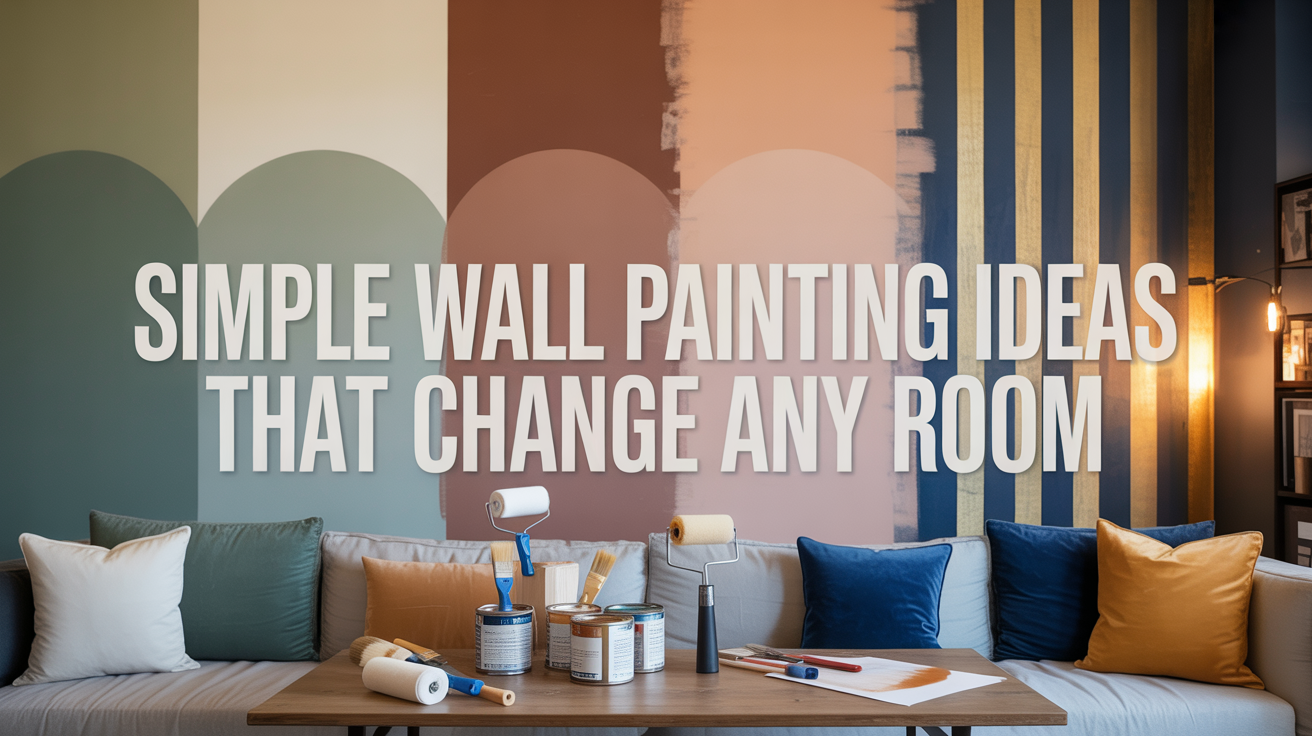
Simple Wall Painting Ideas That Change Any Room
Your walls do not need to stay plain. Paint is one of the easiest ways to refresh a room, and you do not need special skills to make it look good.
Most people assume bold designs are difficult, but simple steps can give your space a fresh character.
This guide shares easy ideas anyone can handle. You will get clear tips on supplies, preparation, color choices, and simple methods that add interest without stress. Every approach is friendly for beginners and keeps things manageable.
You will learn quick ways to add depth, choose colors that work well together, prepare surfaces correctly, and apply paint with confidence. With a little time and the right guidance, you can give your home a warm feel this weekend.
Wall Painting Ideas
Change any room with creative paint techniques that add personality and style to your walls.
Accent Wall in Bold Color
Pick one wall and paint it a bright, bold color while keeping the other three walls neutral. Choose the wall behind your bed, couch, or TV since that’s what people see first when they enter the room.
The bold color adds personality without overwhelming the space. This saves money since you only buy paint for one wall, and you only have to repaint one wall if you change your mind later.
Two-Tone Walls
Split your wall horizontally and paint the top and bottom different colors. Use painter’s tape to make a clean line where the colors meet, with the darker color usually on the bottom.
This technique adds visual interest without complicated patterns. It’s a simple way to use two colors you love in one room.
Ombre Effect
Start with a dark color at the bottom and blend it lighter toward the ceiling. Mix the paint shades while wet to create a smooth transition between colors.
This technique takes practice but creates a modern, artistic look. The color fade adds depth and works well in bedrooms or calming spaces.
Geometric Shapes
Use painter’s tape to create triangles, diamonds, or hexagons on your wall. Paint each shape a different color and plan your design on paper first.
Peel the tape off while the paint is slightly wet for clean edges. This creates a bold, modern pattern perfect for accent walls.
Stripes
Paint vertical or horizontal stripes in alternating colors using painter’s tape. Thin stripes look formal while wide stripes feel casual, and measure carefully to keep them even.
Use a level for straight lines. Vertical stripes make ceilings look higher, while horizontal stripes make narrow rooms feel wider.
Chalkboard Wall
Paint one wall with chalkboard paint so you can write notes or let kids draw with chalk. Apply two coats and let it cure for three days before using.
Season the surface by rubbing chalk over it and wiping it off first. This creates a fun, changeable space for kitchens or playrooms.
Mountain Range Silhouette
Paint simple mountain outlines along the bottom of your wall using different shades of blue, gray, or purple. Layer two or three ranges with lighter colors in the back and darker shades in front for depth.
This creates a peaceful outdoor scene for bedrooms or living rooms. Mountain shapes are naturally irregular, so you don’t need artistic skills to make it work.
Color Blocking
Divide your wall into large rectangles or squares and paint each block a different color. Use painter’s tape to mark sections and keep shapes big and simple.
Choose colors that work well together, like different shades of the same color. This bold design adds energy without requiring artistic skills.
Dotted Pattern
Use a round sponge or stencil to stamp dots across your wall in a pattern or randomly. Decide if you want organized rows or scattered dots before starting.
Use one color for a subtle look or multiple colors for a playful effect. This works great in nurseries, kids’ rooms, or whimsical spaces.
Rainbow Wall
Paint horizontal stripes in rainbow color order across your wall. Use painter’s tape between stripes for clean lines, and pick all rainbow colors or just your favorites.
This bright, cheerful design works perfectly in kids’ rooms or playrooms. It creates a happy, vibrant space that brings positive energy to any room.
Half-Painted Wall
Paint only the bottom half of your wall in a bold color and leave the top white or light. The dividing line looks best about three to four feet up from the floor.
Add trim or molding where colors meet for a finished look. This gives you bold color while keeping the room feeling open and airy.
Cloud Effect
Paint your wall light blue, then dab white or light gray paint with a damp sponge to create cloud shapes. Keep sponge strokes light and random for natural-looking fluffy clouds.
Step back often to check your progress and add clouds where needed. This calming design creates a peaceful atmosphere perfect for bedrooms or nurseries.
Grid Pattern
Use painter’s tape to create equal-sized squares or rectangles across your wall. Paint alternating squares in different colors or shades, measuring carefully for straight lines.
This pattern looks best with contrasting colors or light-to-dark shades. The grid creates a modern, organized look with visual interest.
Tips for Professional-Looking Results
Here are tips for professional-looking results when painting walls:
Prep Your Walls First: Clean walls with soap and water to remove dirt and grease. Fill holes and cracks with spackle, let it dry, then sand smooth for an even surface.
Use Quality Tools and Materials: Buy good brushes and rollers that won’t leave marks or shed fibers. Quality paint covers better and lasts longer, saving you time and money.
Apply Painter’s Tape Correctly: Press tape down firmly along edges to prevent paint from bleeding underneath. Use a credit card or a putty knife to seal the edges completely.
Always Use Primer: Primer helps paint stick better and covers stains or dark colors. It also reduces the number of paint coats you’ll need for full coverage.
Cut In Before Rolling: Paint edges and corners with a brush first, then use a roller for large areas. This gives you cleaner lines and better control around trim and ceilings.
Apply Multiple Thin Coats: Two or three thin coats look better than one thick coat. Thick coats drip, show brush marks, and take forever to dry properly.
Keep a Wet Edge: Work in sections and overlap your paint while it’s still wet. This prevents visible lines where dried paint meets fresh paint.
Common Mistakes to Avoid While Wall Painting
Avoid these painting mistakes to save time, money, and achieve a professional-looking finish.
- Skipping Wall Preparation: Clean walls, fill holes with spackle, and sand smooth before painting. Dirt and unrepaired damage show through and look unprofessional.
- Forgetting to Use Primer: Always prime walls, especially over dark colors, stains, or new drywall. Primer helps paint stick better and prevents colors from bleeding through.
- Applying Paint Too Thick: Thick coats drip, sag, and show brush marks. Apply multiple thin coats for faster drying and smoother coverage.
- Rushing Between Coats: Wait the full drying time before adding another coat. Painting over wet paint causes smudging, peeling, and ruins your finish.
- Poor Painter’s Tape Application: Press tape down firmly to seal edges and prevent bleed. Remove tape while paint is slightly tacky for clean, crisp lines.
Conclusion
You now have clear and simple steps to try easy wall painting ideas with confidence. These methods are friendly for beginners, keep costs low, and can refresh a room in a short time. With a little patience, you can give your space a neater and more welcoming feel.
Choose one idea that feels right for you. Gather your tools, prepare the wall properly, and begin at your own pace. Your walls do not need to stay plain, and even small updates can bring a fresh look to your home.
Do not stress about mistakes because most flaws can be fixed easily. Start with a small area, learn as you go, and enjoy the work. Which idea will you try first?
Frequently Asked Questions
What is the easiest wall painting idea for beginners?
The half-wall paint effect is the simplest technique. Just divide your wall horizontally using painter’s tape and a level, then paint the lower portion in your chosen color. It creates instant architectural interest without requiring artistic skills or complex tools.
How much does it cost to paint a room with simple wall ideas?
Most simple wall painting projects cost under $100 for an entire room. You’ll need quality paint, brushes, rollers, painter’s tape, and drop cloths. Using leftover tester pots for accent projects saves even more money without sacrificing visual impact.
Can I paint over a wall design if I don’t like it?
Yes, most wall painting techniques paint over easily. Sand-textured paint first, then prime if changing from dark to light colors. This flexibility makes experimenting stress-free since you’re never permanently committed to any design choice.
What supplies do I need for simple wall painting projects?
You need quality paint, a 1-inch angled brush, larger brushes or rollers, paint trays, painter’s tape, and drop cloths. These basic supplies are available at any hardware store and work for most simple painting techniques without specialized equipment.
How long does a simple wall painting project take?
Most simple wall painting projects finish in a single day or weekend. This includes prep time, painting, and drying. Complex techniques like ombre effects may take longer, but basic projects like accent walls or two-tone effects completed quickly.