Planning a renovation can feel exciting, but it is important to slow down before tearing into any wall. Some walls carry the weight of your roof and upper floors.
Taking one out without checking can lead to serious damage that is costly and stressful to fix.
The truth is that fixing a mistake like this can cost thousands of dollars. That is why learning the basics matters. With a little knowledge, you can spot warning signs early and avoid decisions that put your home at risk.
This guide explains clear ways to tell if a wall is load-bearing. You will learn what to check in the basement, attic, and plans if you have them.
These steps help you plan with confidence and know when expert help is the right move.
What Is a Load-Bearing Wall?
Some walls in your home are purely for separation, while others provide key support. Load-bearing walls carry the weight of the roof and floors and transfer it down to the foundation. Without them, the structure would fail.
These walls act as the backbone of the house. They manage both concentrated loads, such as columns, and evenly distributed weights across floors.
The load path moves from roof to wall, then to floor and foundation, and breaking this path creates a serious structural risk.
Non-load-bearing walls only support their own weight and divide interior spaces. Load-bearing walls support the structural frame and cannot be removed without added beams or supports. Always verify a wall’s role before making changes, since some partial walls may still carry load.
Why Identifying Load-Bearing Walls Matters?
Get this wrong, and you’re risking everything. I’m not trying to scare you. I’m trying to keep your house standing.
Safety Concerns
Your family’s safety depends on these walls. Remove one without proper support, and you could cause your home to collapse. It’s not dramatic, it’s physics.
Best case scenario? You’ll see cracks in your ceiling and sagging floors. Worst case? Complete structural failure. The weight that the wall was carrying doesn’t just disappear. It has to go somewhere, and that somewhere might be straight through your floor.
Renovation Planning Benefits
Knowing which walls are load-bearing saves you time and money. You can map out your renovation without hitting expensive surprises halfway through the project.
Want that open-concept living space? Great. But if there’s a load-bearing wall in the way, you’ll need to plan for support beams. That means budgeting differently and scheduling extra work. Better to know upfront than to tear into a wall and realize you’ve made a $10,000 mistake.
Financial and Legal Implications
Removing a load-bearing wall can get expensive. Single-story walls typically cost $2,000 to $5,000, while second-story walls range from $9,000 to $15,000. Rerouting plumbing or electrical adds another $4,000 to $10,000.
Permits and inspections are required in most cities, and the engineer’s consultation fee usually runs $300 to $800. Skipping permits can lead to fines, forced rebuilds, or reduced resale value, so proper planning is major.
Step-by-Step Guide to Determine If a Wall Is Load-Bearing
You don’t need a degree in engineering to figure this out. You just need to know where to look.
Step 1: Review Building Blueprints and Design Plans

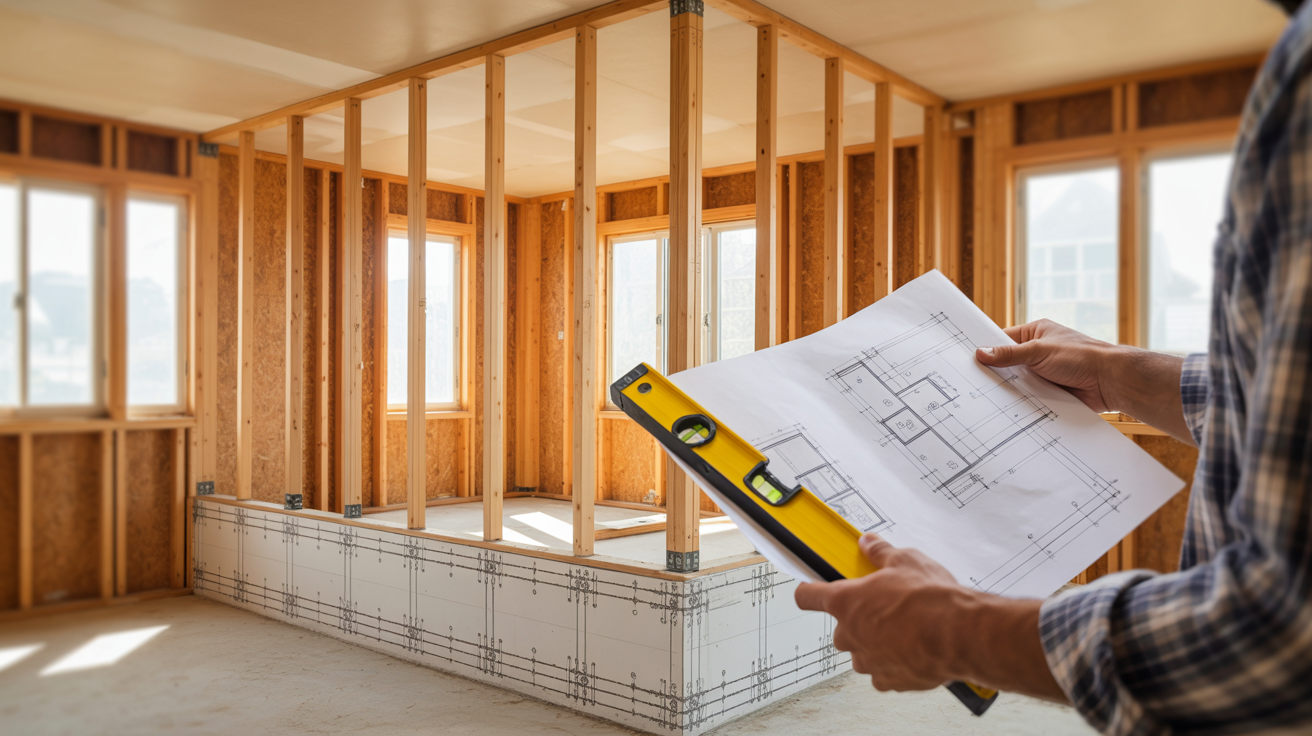
Blueprints reveal which walls are load-bearing, eliminating guesswork. Thicker lines and symbols for beams or columns indicate structural support, helping you identify which walls carry weight.
You can obtain them from your local building department, previous homeowner, or original design firm.
Step 2: Check Wall Location and Orientation
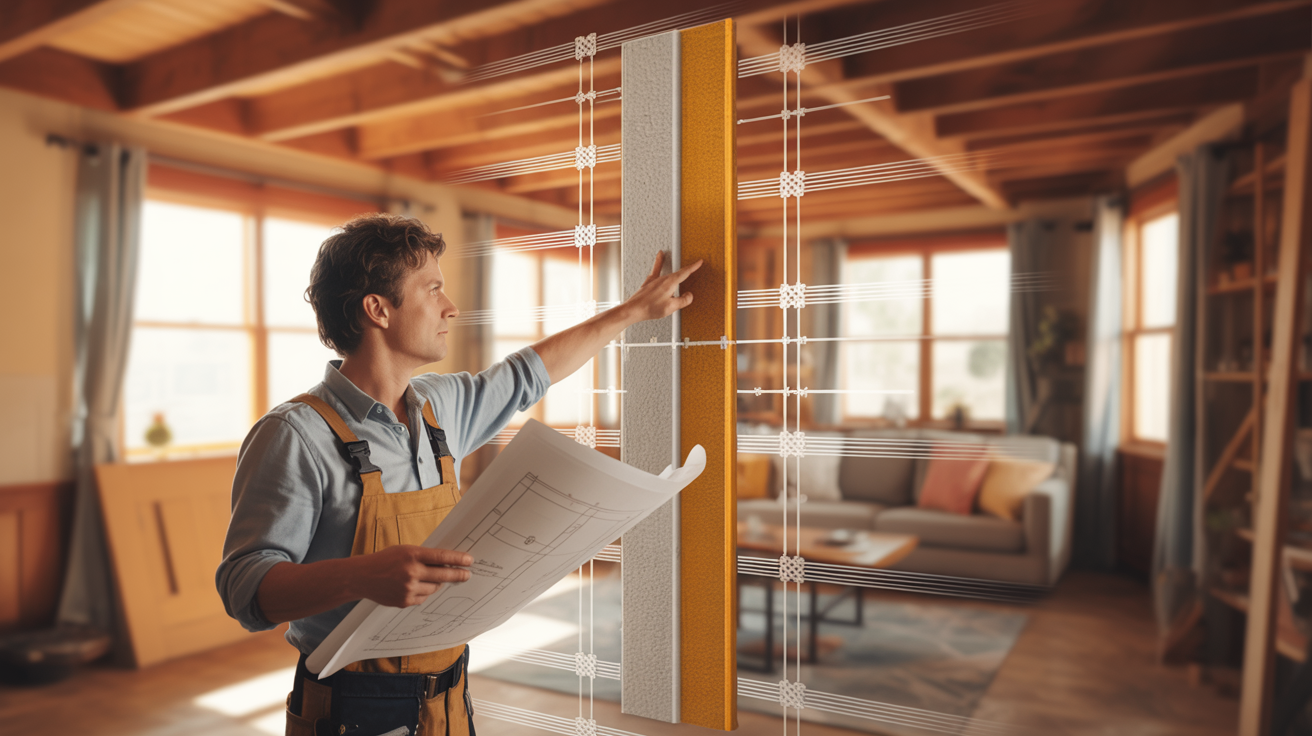
Load-bearing walls are usually exterior or central interior walls that support the roof and upper floors.
They run perpendicular to floor joists and carry the home’s main structural weight. Older homes may have more walls serving this role than newer homes.
Step 3: Inspect from the Basement or Crawlspace
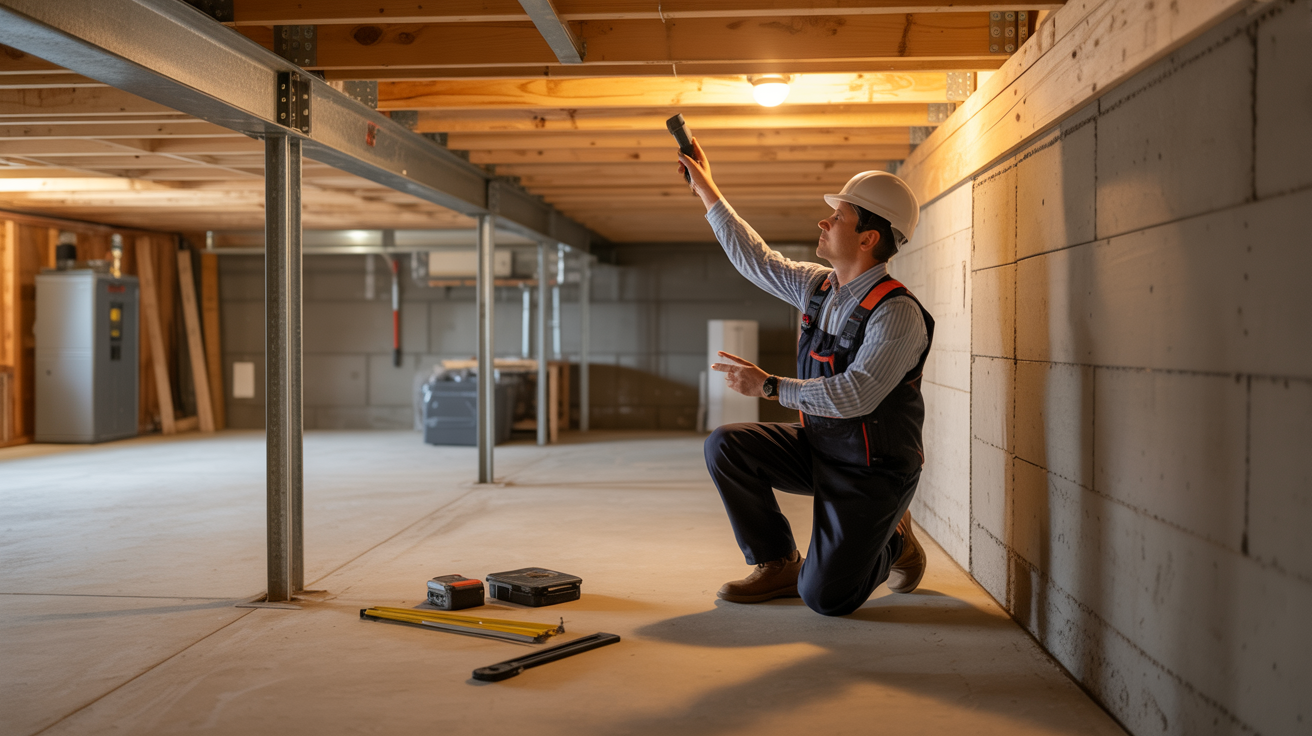
Inspect the basement for walls, beams, or columns beneath the wall in question. Alignment with floor joists or beams indicates load-bearing. Walls without support below are likely non-structural partitions.
Step 4: Examine from the Attic

Check the attic for roof beams and joists resting on walls below, indicating load-bearing. Look for purlin bracing and diagonal supports tied to walls. Trace the weight from the roof peak to the foundation to confirm.
Step 5: Assess Wall Thickness and Materials
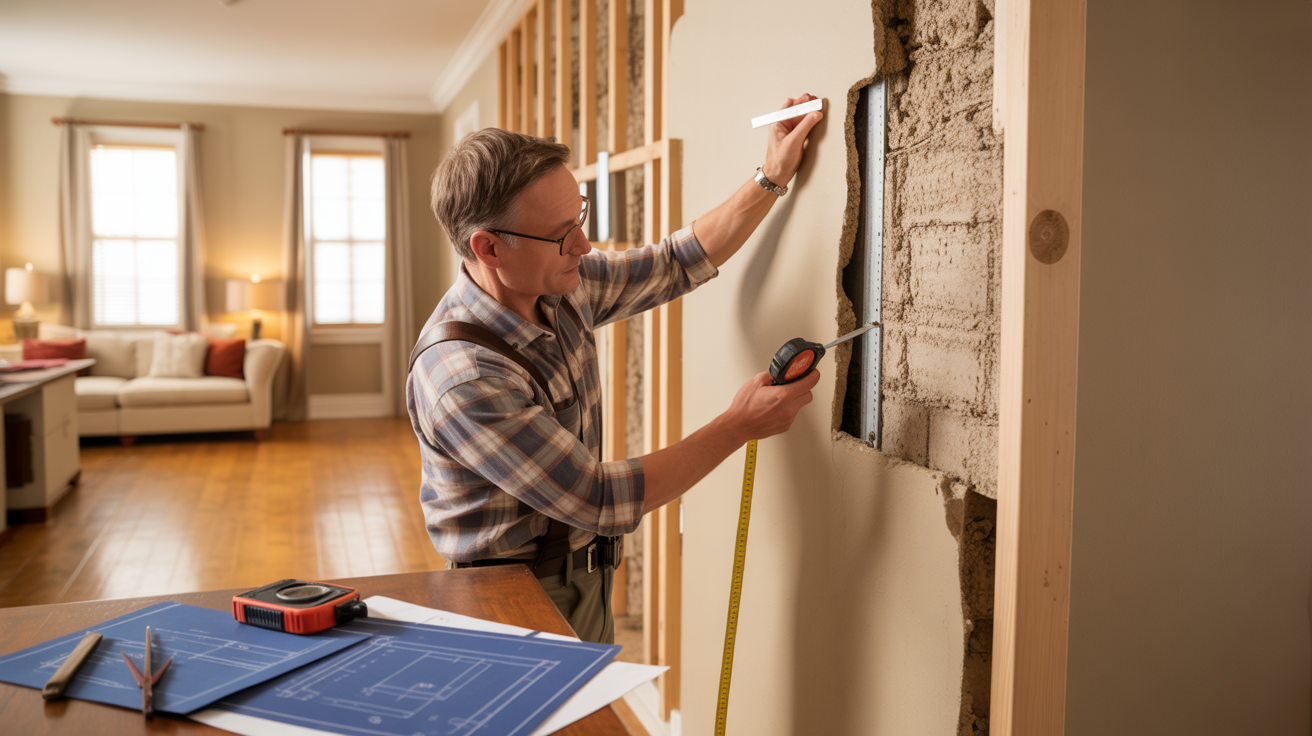
Thicker walls, often 6 inches or more, usually indicate load-bearing, while partitions are around 3.5–4 inches.
Materials like concrete and brick are typically load-bearing. Denser framing detected with a stud finder also signals structural support.
Step 6: Look for Physical Support Indicators
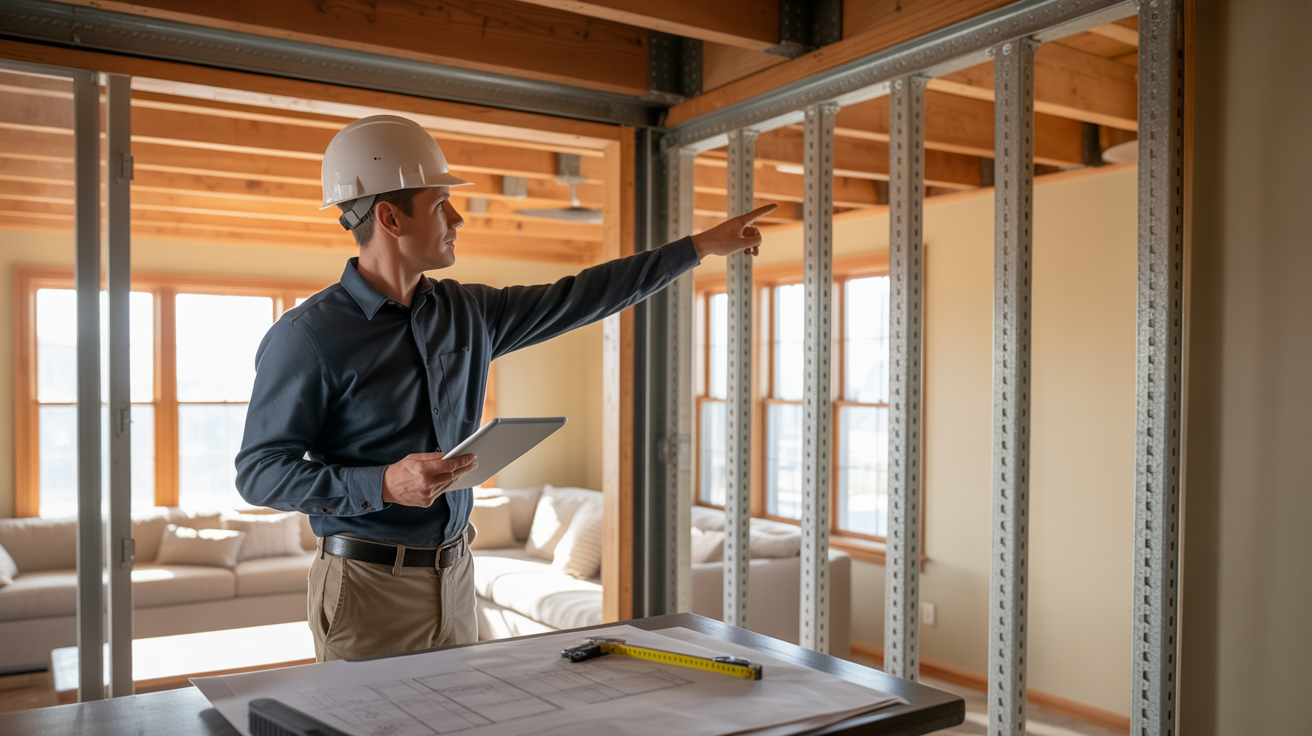
Walls aligned from the basement to the roof are usually load-bearing. Walls under beams or supporting joists carry structural weight. If joists don’t rest on a wall, it’s likely a partition.
Step 7:Use Tools for Deeper Investigation
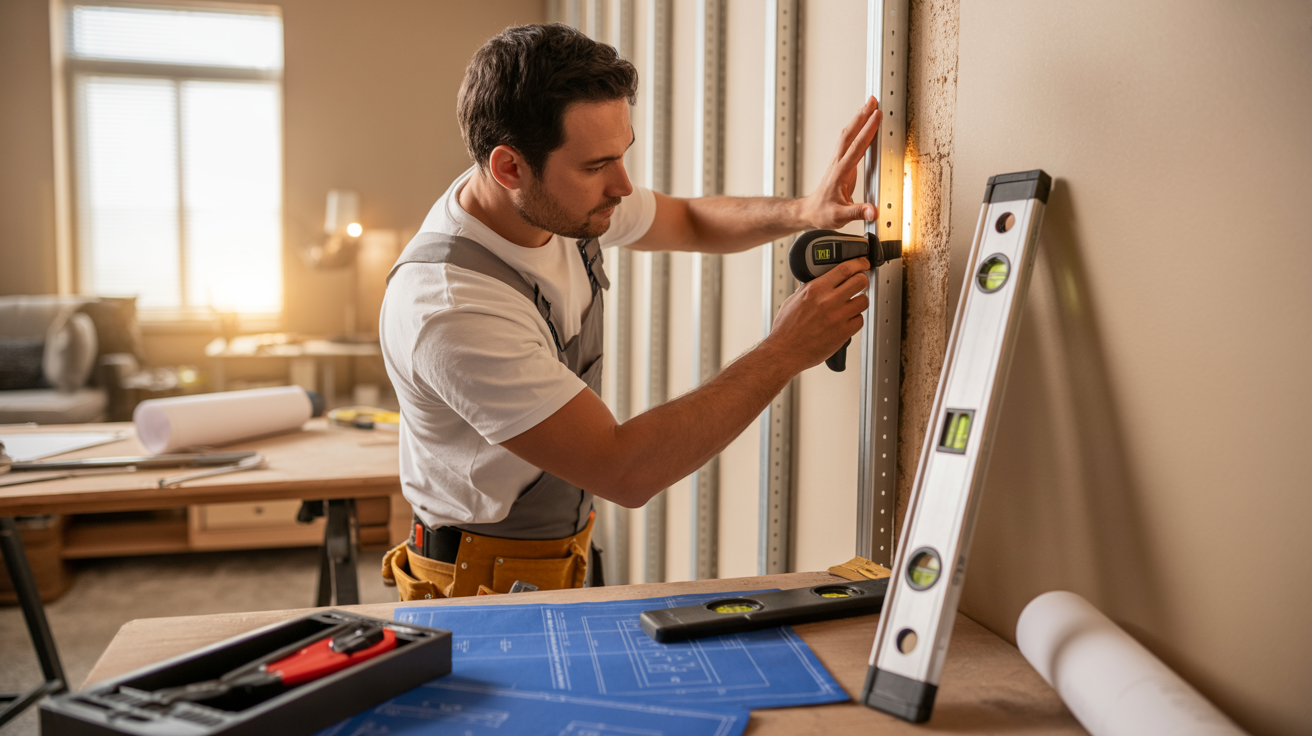
Stud finders reveal wall framing and support patterns. Load-bearing walls have closely spaced heavy studs, while partition walls are lighter and wider spaced.
Avoid guessing, measure, document, and use tools for accuracy.
Key Characteristics of Load-Bearing Walls
Let me give you a quick reference guide. These are the signs professionals look for.
Primary Indicators
Load-bearing walls share common traits. Spot three or more of these, and you’re probably looking at a structural wall.
Here’s what to look for:
- Perpendicular to floor joists or beams: The most reliable indicator
- Thicker than standard walls: Usually 6+ inches
- Made from heavy materials: Concrete, brick, or thick wood framing
- Located at the center of your home: The midline wall that runs through the middle
- On the exterior perimeter: Almost always load-bearing
None of these signs alone proves a wall is load-bearing. But when you see multiple indicators pointing in the same direction, you can be pretty confident in your assessment.
Common Mistakes to Avoid
People make the same errors over and over. Don’t be one of them.
- Never assume a wall is not load-bearing, parallel or partial walls can still carry weight.
- Consider cumulative loads from all floors and the roof, as even a seemingly minor wall may be critical.
- Inspect all areas, including the basement, attic, and blueprints, for a complete understanding of load paths.
- Missing one inspection method can hide crucial structural details since partial checks are risky.
- When in doubt, consult a professional engineer, as a $500 assessment can prevent thousands in repairs.
When to Consult a Professional Engineer?
Sometimes DIY inspection isn’t enough. Know when to call in the experts.
- When to Call a Structural Engineer: Seek help if inspections are unclear, results conflict, or your home has complex designs or undocumented renovations.
- Permit Requirements: Major structural changes, like removing load-bearing walls, often need an engineer’s approval to satisfy building codes.
- Uncertainty After Inspections: If you remain unsure or if previous owners made undocumented changes, an engineer can provide clarity and safety assurance.
- Consultation Costs vs. Savings: Engineer consultations typically cost $300–$800, far less than potential repairs from mistakes on load-bearing walls.
- Benefits of Professional Analysis: Engineers calculate load values, verify structural capacity, and provide detailed reports and diagrams accepted by building departments.
- Choosing and Working with an Engineer: Hire a licensed residential engineer with references; their written report supports permits and ensures compliance and safety.
Conclusion
Knowing how to determine if a wall is load-bearing starts with a few simple checks. Pay attention to the direction of floor joists, what rooms or walls sit above, and where the wall is placed in the home. These clues can give you a clear sense of what the wall is doing before any work starts.
You do not have to rely on guesswork anymore. This guide helps you spot signs early and understand when a wall may be supporting weight. When things still feel unclear, reaching out to a professional becomes an easy decision.
If this helped, share it with someone planning changes at home. Have a question about a specific wall? Leave a comment or read more guides here.
Frequently Asked Questions
Can I remove a load-bearing wall myself?
You can identify load-bearing walls yourself, but removal requires a structural engineer and permits. You’ll need proper support beams installed before removing the wall. DIY removal risks structural collapse. Hire licensed contractors for this work. Costs range from $2,000 to $15,000, depending on complexity.
How thick is a typical load-bearing wall?
Load-bearing walls are usually 6 inches thick or more, while standard partition walls measure 3.5 to 4 inches. However, thickness alone doesn’t confirm if a wall is load-bearing. Check multiple indicators, including location, orientation to joists, and basement support structures, for accurate identification.
Are all exterior walls load-bearing?
Almost all exterior walls sitting on the foundation are load-bearing. Newer homes (built in the last 50 years) may only use front and back exterior walls for support, while older homes typically use all four exterior walls to bear structural loads and transfer weight to the foundation.
How much does it cost to remove a load-bearing wall?
Single-story load-bearing wall removal costs $2,000 to $5,000. Second-story walls cost $9,000 to $15,000. Additional expenses include rerouting plumbing and electrical ($4,000 to $10,000), permits, inspections, and engineer consultation ($300 to $800). Total costs can exceed $20,000 for complex projects.
What happens if you remove a load-bearing wall without support?
Removing a load-bearing wall without proper support causes structural failure. Best case: ceiling cracks and floor sagging. Worst case: catastrophic collapse. The weight that the wall carried must transfer somewhere else. Always install temporary supports during construction and permanent beams before wall removal.