I used to grab whatever paint was cheapest and use it everywhere. Walls, ceilings, trim, it all felt the same at first. I quickly learned that paint is not interchangeable after a few messy projects.
Wall paint on a ceiling leads to drips, splatter, and extra coats. Ceiling paint on walls dries too fast and leaves streaks that are hard to fix. I learned this the hard way after repainting my kitchen twice in one month.
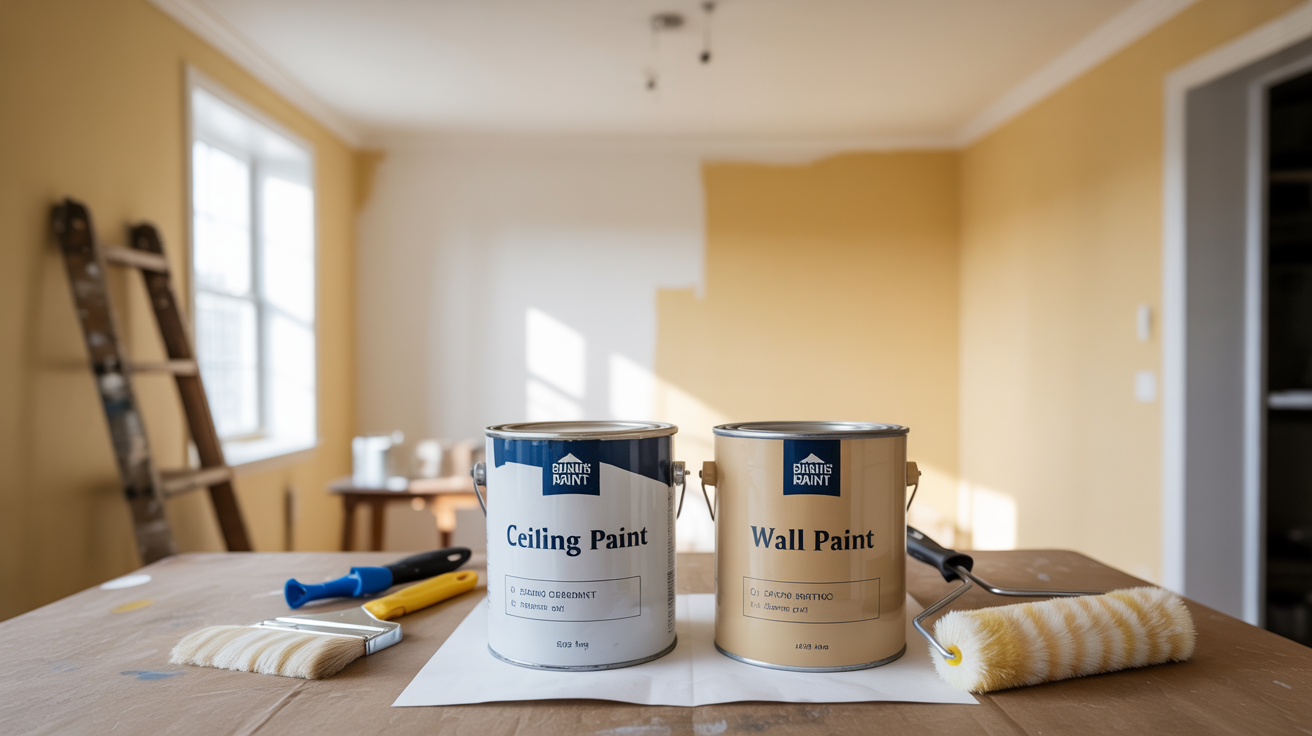
The difference comes down to thickness, drying time, and finish options. Ceiling paint is thicker, so it stays in place overhead. Wall paint spreads more smoothly and offers a variety of finishes for everyday wear. This guide explains when to use each type so you save time, money, and frustration.
What Is Ceiling Paint?
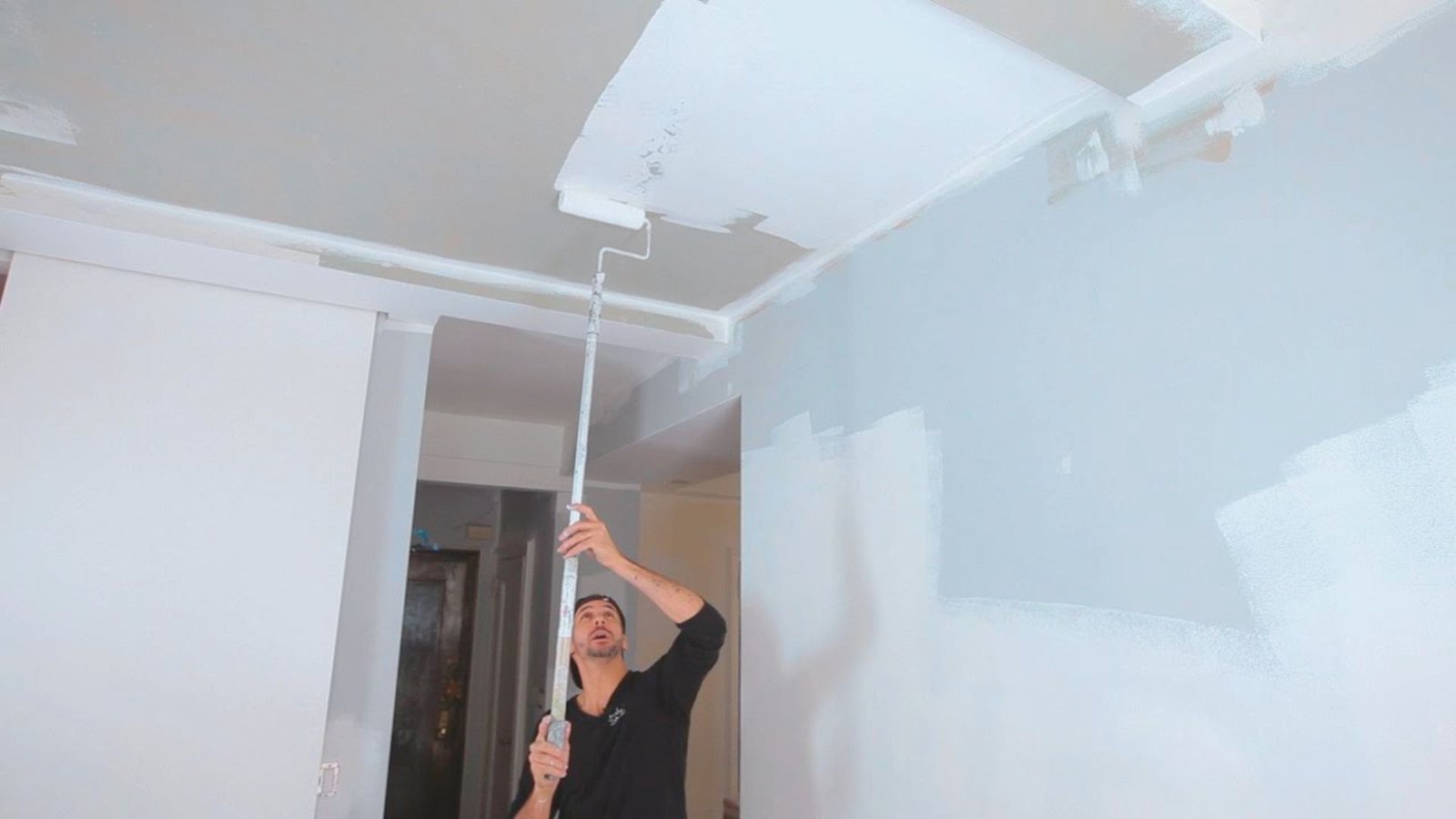
Ceiling paint is a specially formulated paint designed for overhead surfaces. It is thicker than wall paint, so it sticks better and does not drip or splatter as easily while you work.
The heavier consistency helps create even coverage with fewer coats. It reduces mess, hides minor ceiling suitable, and makes painting above your head more manageable and less frustrating.
What Is Wall Paint?
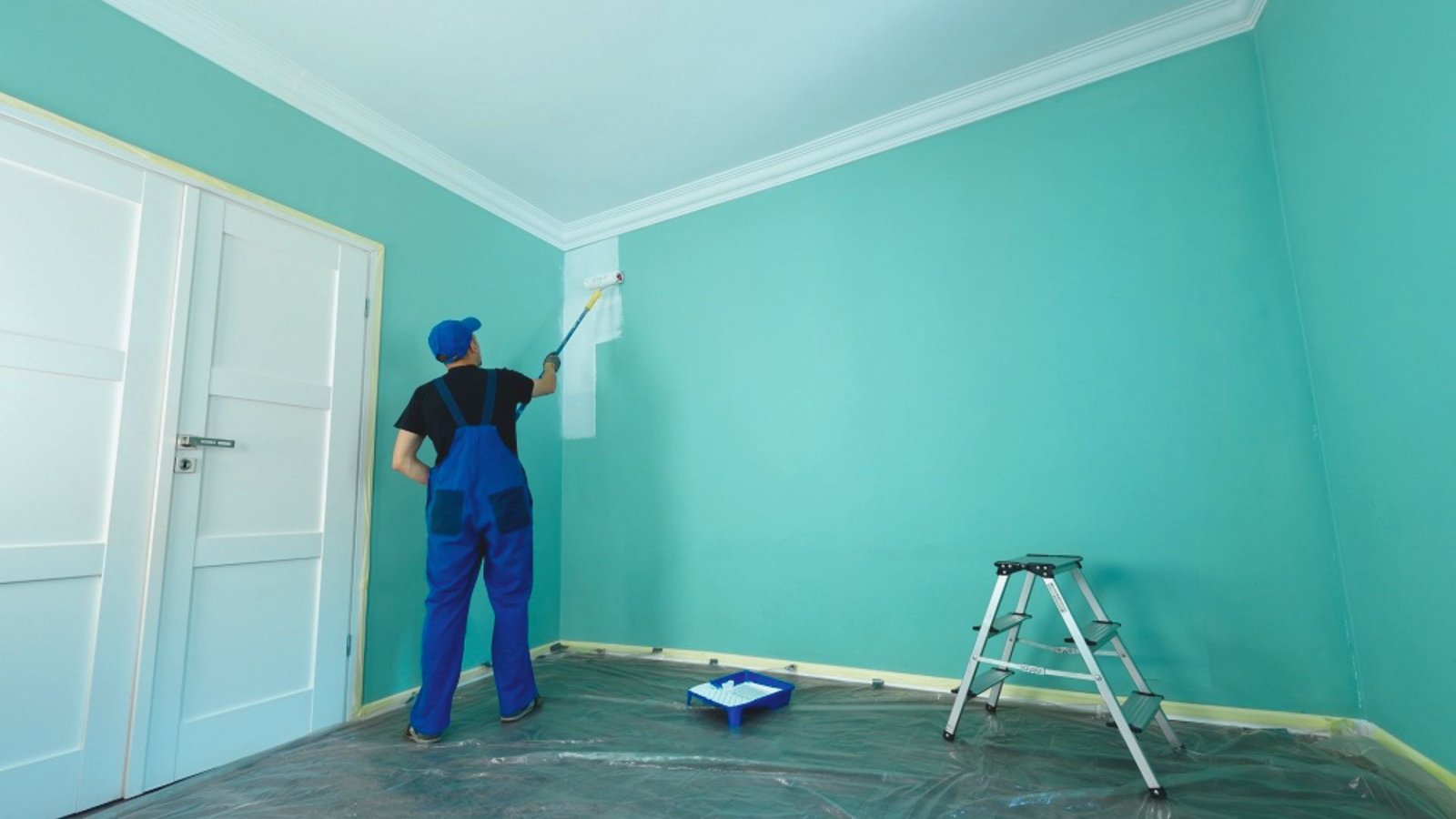
Wall paint is a type of paint made specifically for vertical interior surfaces like living room, bedroom, and hallway walls. It has a smoother, thinner consistency that spreads easily and provides even coverage.
It is designed to level out as it dries, helping reduce roller marks and streaks. Wall paint comes in many finishes and colors, making it versatile for both decorative and practical use.
Thickness and Viscosity: The Core Difference
The biggest difference between these paints is how thick they are. Ceiling paint feels heavier and doesn’t flow as easily as wall paint when you open the can.
|
Aspect |
Ceiling Paint |
Wall Paint |
|
Viscosity meaning |
Thicker consistency that holds its shape |
Thinner and more fluid |
|
Reason for thickness |
Fights gravity when painting overhead |
Designed to spread easily on vertical surfaces |
|
Drips and splatter |
Fewer drips and less splatter |
More likely to run if applied too heavily |
|
How it behaves on a roller |
Clings to the roller and the ceiling better |
Glides smoothly and spreads evenly |
|
Ease of application |
Messier to work with if too thick, but safer overhead |
Easier for most DIY projects |
|
Cleanup and control |
Less cleanup from drips falling down |
Requires control to avoid runs |
|
Best use case |
Overhead surfaces like ceilings |
Vertical surfaces like walls |
Drying Time Differences Between Ceiling and Wall Paint
Drying time matters more than most people realize. It affects how fast you need to work and whether you can do a second coat the same day.
How Ceiling Paint Dries Faster?
Less liquid content means less to evaporate. Ceiling paint dries noticeably faster than wall paint because it’s thicker with less water or solvent in the formula.
The thickness gives you quicker drying as a bonus. Fewer splashes and splatters mean less mess to clean up, too.
Wall Paint Takes Longer to Dry
More liquid content extends the drying time. Wall paint needs extra time for all that moisture to evaporate into the air.
It still dries relatively quickly, but not as fast as ceiling paint. You might wait an hour or two between coats instead of 30-45 minutes.
Coverage and Coat Requirements
How many coats you need affects both time and money. This is where the thickness difference really shows up.
Ceiling Paint Needs Fewer Coats
A thicker layer gets applied with each coat. One coat is often enough for good coverage if you’re using quality ceiling paint.
The type and quality of paint still affect your final results. Cheap ceiling paint might need two coats, just like wall paint does.
Wall Paint Usually Requires Two Coats
Thinner application per coat means less coverage. Plan for at least two coats to get proper coverage and even color.
The extra time investment is acceptable for most projects. Two thin coats still go on faster than you’d think.
Finish and Sheen Options
The finish you choose changes how the room looks and feels. Ceiling and wall paints offer very different options here.
- Ceiling paint usually comes in flat or matte finishes with little to no shine, and glossy options are rare.
- Flat finishes work best on ceilings because they hide dents, seams, and surface flaws effectively.
- Ceilings are not visual focal points, so a non-reflective finish keeps attention on walls and decor.
- Wall paint offers many finish options, from flat and eggshell to satin, semi-gloss, and gloss.
- Different gloss levels help match function, with flatter ceilings and more washable wall finishes.
Cost Comparison Between Paint Types
Money matters when you’re painting entire rooms. The price difference might surprise you.
|
Factor |
Ceiling Paint |
Wall Paint |
|
Cost per gallon |
Higher due to a specialized formula |
Lower and more budget-friendly |
|
What you pay for |
Thick consistency and stain resistance |
Basic coverage without ceiling-specific features |
|
Number of coats needed |
Fewer coats in most cases |
More coats are usually required |
|
Overall material cost |
Higher even with fewer coats |
Lower even with extra coats |
|
Time required |
Saves time with faster coverage |
Takes longer due to multiple coats |
|
Best choice when |
Time matters more than money |
Budget is the main concern |
Can You Mix and Match Ceiling and Wall Paint?

Yes, you can use either paint on any surface, but each swap comes with specific challenges you need to handle. The key is knowing what problems to expect and adjusting your technique accordingly.
- Wall paint can be used on ceilings, but expect more drips and plan for extra care and cleanup.
- Use less paint on the roller, work in smaller sections, and expect two to three coats for even coverage.
- Drop cloths are required when using wall paint overhead, and wiping drips immediately saves major cleanup later.
- Ceiling paint can be used on walls if you work fast, since it dries quickly and leaves little time to blend.
- The fast-drying nature of ceiling paint can cause lap marks and mistakes, making it harder for beginner painters.
Which Paint Should You Actually Use?
Your room’s specific needs take precedence over the following rules. Pick ceiling paint for moisture-prone areas and wall paint for budget projects or when you want a variety.
|
When to Use Ceiling Paint? |
When to Use Wall Paint? |
|
Best for bathrooms and kitchens with moisture, steam, or mildew risk |
Ideal for budget-conscious projects where cost savings matter |
|
Resists stains from smoke, grease, and water damage |
Offers more finish options like eggshell, satin, and semi-gloss |
|
Good choice for ceilings with existing moisture issues |
Better for washable and durable surfaces like hallways and kids’ rooms |
|
Covers faster with fewer coats, saving time on large ceilings |
Works well when extra coats are not a concern |
|
Worth it when time and protection matter more than price |
Necessary when using sprayers that cannot handle thick paint |
Conclusion
You now understand the real differences between ceiling paint and wall paint and when each one works best. Thickness, drying time, finish options, and cost all affect how your paint performs in a space.
Ceiling paint is thicker, which helps reduce drips when working overhead. Wall paint is thinner and offers more finish choices for everyday use. While both can work on either surface, using the right one saves time and frustration.
Always match the paint to the room. Kitchens and bathrooms benefit from ceiling paint that resists moisture and mold. For budget projects, wall paint can work everywhere if applied carefully. With these basics in mind, you can shop with confidence, avoid redoing work, and finish your project the right way the first time.
Frequently Asked Questions
What is the main difference between ceiling paint and wall paint?
Ceiling paint is thicker (higher viscosity) to prevent drips when painting overhead. Wall paint is thinner for easier application on vertical surfaces. Ceiling paint also dries faster, needs fewer coats, and typically comes in a flat finish only. Wall paint offers multiple sheen options.
Can I use wall paint on my ceiling?
Yes, but be careful with the application. Wall paint is thinner and drips more on ceilings. Use less paint on your roller, work in smaller sections, and expect to apply at least two coats for proper coverage. Keep drop cloths in place.
Is ceiling paint more expensive than wall paint?
Yes. Ceiling paint costs significantly more than wall paint of the same quality. Even though it requires fewer coats, you’ll still save money using wall paint instead. The thicker formula and specialized properties increase the price.
Why does ceiling paint dry faster than wall paint?
Ceiling paint has less liquid content due to its thicker formulation. With less moisture to evaporate, it dries quicker than wall paint. This fast drying prevents drips but means you must work quickly to avoid lap marks.
Can I use ceiling paint on walls?
You can, but it’s tricky. Ceiling paint dries very fast, so you must work quickly to cover areas before it starts drying. It also only comes in a flat finish with limited sheen options. Wall paint is easier to work with on walls.