Accent walls with windows can be tricky, but they transform a room when done right. Most people avoid them because windows seem like obstacles. Here’s the truth: Windows aren’t your enemy.
Windows create contrast and interrupt your wall space, yes. But that natural light also makes colors richer and textures more dynamic. The key is working with the windows, not against them.
This guide shows you exactly how to style an accent wall with windows. You’ll learn which walls work best, what colors handle natural light, which materials create impact, and the biggest mistakes to avoid. These are tested strategies from real projects, not just theory.
13 Ways to Style an Accent Wall With a Window
Make your window wall stand out with these creative styling ideas that combine color, texture, and design elements for maximum impact.
Bold Dark Paint Around White Trim

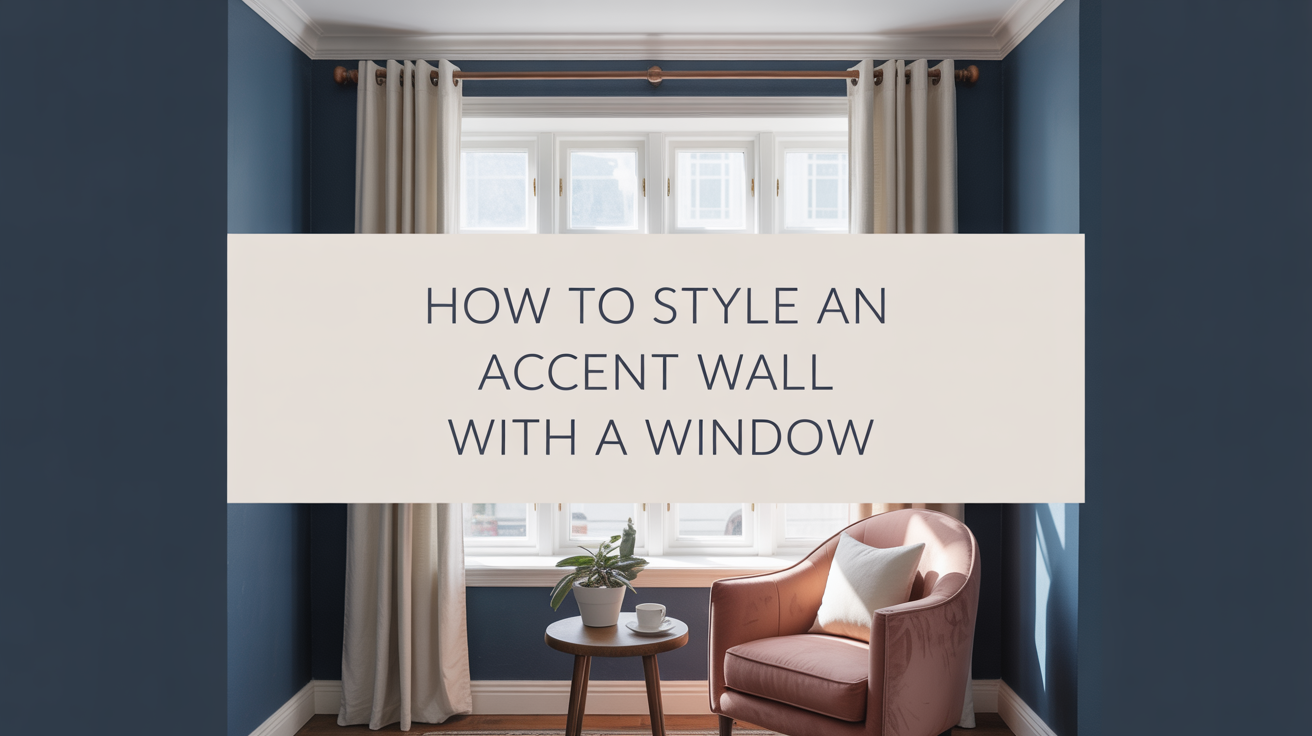
Paint the accent wall a dark color like navy, charcoal, or forest green, and keep the window trim bright white.
This creates a dramatic contrast that frames the window beautifully and draws attention to the architectural feature.
The dark background makes the window pop and become a focal point instead of an awkward interruption. This bold approach works especially well in rooms with good natural light that can balance the deeper wall color.
Full Wall Wallpaper Treatment

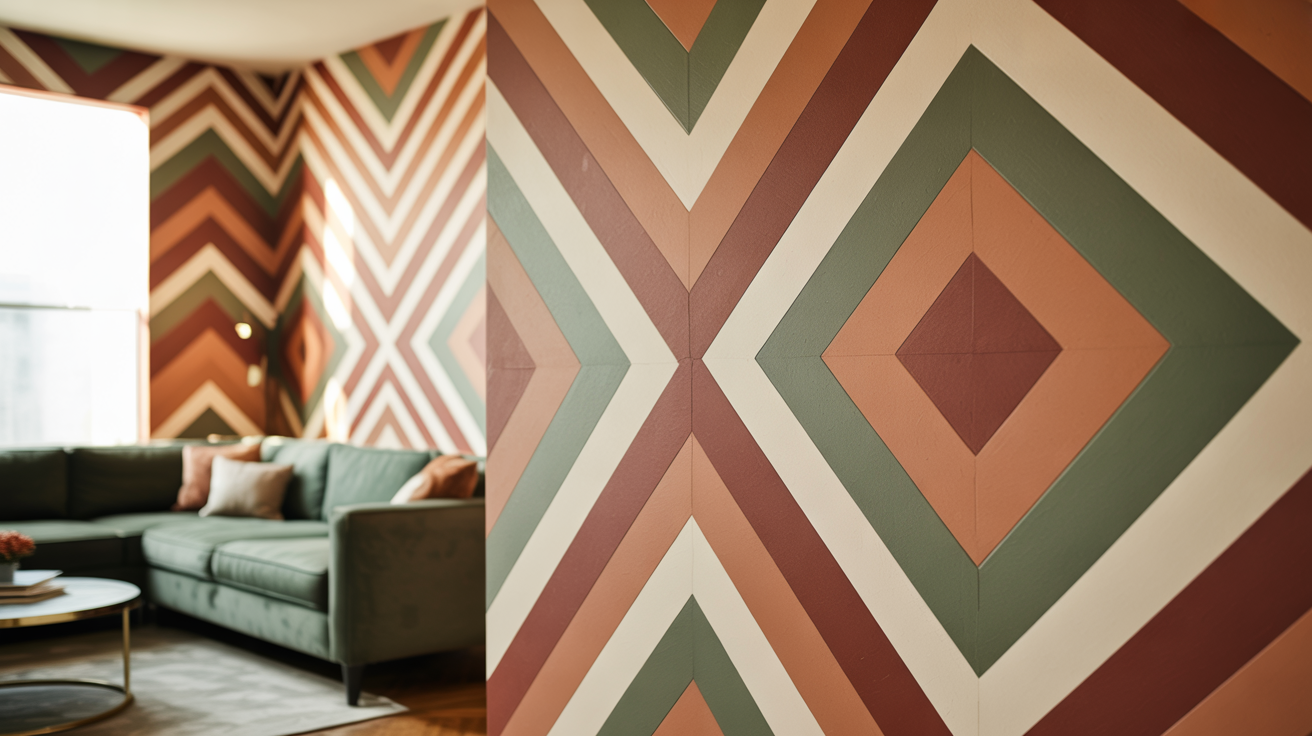
Cover the entire accent wall with patterned wallpaper, continuing the design right around the window. Choose patterns that work with the window placement rather than fighting against it for a cohesive look.
Geometric, floral, or abstract patterns all work well when applied consistently across the whole wall. This approach treats the window as part of the overall design rather than an obstacle to work around.
Horizontal Wood Planking

Install horizontal wood planks across the accent wall, cutting them to fit around the window frame for a custom look. Use natural wood stain or paint planks to match your decor and create visual interest.
This creates texture and warmth while making the window feel integrated into the wall design. The horizontal lines also help draw the eye across the entire wall, making the space feel wider and more cohesive.
Vertical Shiplap Installation

Run vertical shiplap boards up the wall, working around the window opening for a seamless appearance. Paint everything one cohesive color for a modern farmhouse look that feels fresh and inviting.
The vertical lines draw the eye upward and make ceilings feel taller while incorporating the window naturally. This design choice creates visual height and makes the window feel like an intentional part of the accent wall rather than an interruption.
Board and Batten Treatment

Install board and batten paneling on the accent wall, adjusting the spacing to accommodate the window placement. Paint the entire treatment one color for a classic look that feels timeless and polished.
This architectural detail adds dimension and makes the window feel like part of the original design. The raised molding creates shadows and depth that give the wall visual interest while framing the window beautifully.
Asymmetrical Gallery Wall

Arrange framed art around the window in an asymmetrical layout that treats the window as a central design element.
Use the window as the focal point with art flowing around it on both sides and above or below for a balanced composition.
Mix frame sizes and styles for a collected, personal feel that reflects your taste. This gallery wall approach makes the window part of the display rather than an obstacle, creating a cohesive and visually interesting accent wall.
Built-In Shelving on Both Sides

Install floor-to-ceiling built-in shelves flanking the window for a custom, finished look. Paint shelves and walls the same accent color for a cohesive appearance that ties the entire design together.
Style shelves with books, plants, and decorative objects while using the window as a natural focal point between the built-ins.
This approach maximizes storage and display space while making the window an intentional part of the overall wall design.
Textured Stone or Brick Accent

Apply stone veneer or exposed brick around and beside the window for a textured, organic look. This works especially well in living rooms or bedrooms where you want to add natural warmth and visual interest.
The natural material creates depth and makes the window feel like it is set into the wall rather than placed on top.
This treatment brings an architectural quality to the space while highlighting the window as a key feature of the room.
Two Tone Paint Division

Use the window as a natural dividing line for two paint colors to create visual interest. Paint above the window one color and below another, or split the wall vertically with the window in the middle for a bold statement.
This color blocking technique makes the window an intentional part of the design rather than something to work around.
The contrasting colors draw attention to the architectural feature while adding a modern, graphic element to your space.
Floating Shelves Around a Window

Install floating wood shelves on either side of the window and possibly above it for added function. Keep shelves minimal with just a few styled objects to avoid visual clutter and maintain focus on the window itself.
This creates functional display space while drawing attention to the window as the wall’s centerpiece.
The simple shelving frames the window without overwhelming it, making both the storage and the architectural feature work together harmoniously.
Window Seat with Accent Wall Behind

Build a window seat beneath the window and paint or wallpaper the wall behind it in your accent color or pattern. Add cushions and throw pillows to the seat to create a comfortable and inviting space.
This creates a cozy reading nook while making the window the star of the accent wall. The built-in seating adds function and charm, turning an ordinary window into a special feature that becomes a favorite spot in your home.
Contrasting Wide Trim and Bold Wall

Paint the wall a bold accent color and add extra-wide trim around the window in contrasting white or cream.
The substantial trim creates a frame effect that makes the window look intentional and important within the space.
This works well in rooms with more classic or transitional style decor. The wide molding adds architectural interest and gives weight to the window, making it feel like a purposeful design element rather than just a functional opening in the wall.
Oversized Wall Hanging Around Window

Hang a large textile, macrame, or tapestry on the accent wall with the window visible within or beside it.
Position the hanging so it does not block natural light but creates a bohemian, textured backdrop that adds warmth and personality.
This works best with smaller windows where the fabric can drape around the opening naturally. The layered textile adds softness and visual interest while making the window part of an artistic composition rather than a standalone architectural element.
Common Mistakes to Avoid
I’ve seen these mistakes wreck otherwise good accent walls. Learn from others’ errors.
- Avoid walls with uneven windows or interruptions. Doors, multiple windows at different heights, or angled ceilings can create visual chaos.
- Don’t paint small niches dark. Tiny spaces (3×5 ft) create choppy contrast. Use artwork instead unless the niche is large.
- Test paint samples in real lighting. Colors change from morning to afternoon, and bright windows can affect dark walls.
- Consider seasonal light shifts. Live with samples for a week to see how colors perform in summer and winter light.
- Keep designs simple with windowed walls. One well-done accent wall works better than a busy design with competing focal points.
Implementation and Maintenance
Planning makes the difference between good results and great ones. Don’t skip this step.
- Plan your project carefully. Measure walls considering furniture placement, test paint or material samples in natural light, and protect windows with tape and drop cloths.
- Account for window details. Plan how treatments transition at edges and include trim depth in measurements to avoid issues later.
- Decide DIY vs. professional help. DIY offers creativity and savings but needs skill, while professionals handle complex layouts for polished results.
- Maintain your accent wall. Clean painted walls, dust wallpaper, condition wood, and address water damage promptly to prevent long-term issues.
- Make easy updates. Use peel-and-stick wallpaper or repaint a single wall to experiment with bold colors without committing to a full room redo.
Conclusion
Creating a beautiful accent wall with a window is easier than it seems. Start by planning your layout, testing paint colors or materials, and letting natural light guide your choices. Paying attention to small details ensures a polished look.
Whether you choose DIY or hire a professional, consider window trim, measurements, and how seasonal light affects your space.
With proper care and maintenance, your accent wall stays vibrant and stylish for years. It’s all about balancing functionality with personality.
Don’t be afraid to experiment with colors, textures, or removable wallpaper. Share your results, tips, or photos in the comments, and explore more inspiration for your next home project. Your perfect accent wall with a window is just a few thoughtful steps away!
Frequently Asked Questions
Can you put an accent wall on a wall with windows?
Yes, accent walls can absolutely have windows. The key is ensuring windows are symmetrically placed for visual balance. Choose walls where windows are centered or evenly spaced at each end. Coordinate window trim with your accent wall color for a cohesive look that enhances rather than interrupts the design.
What color should I paint an accent wall with windows?
Lighter shades like soft pastels brighten spaces and reflect natural light. Darker tones like navy or charcoal add depth and sophistication in well-lit rooms. Always test paint samples in actual lighting throughout the day, as colors appear different in morning versus afternoon sun, before committing to a color.
What materials work best for accent walls near windows?
Wood panels, stone, brick, and bold wallpaper all work beautifully with windows. Mirrors amplify natural lighting and make small spaces feel larger. Peel-and-stick wallpaper offers a flexible, removable option. Choose materials that complement rather than compete with your natural light and match your room’s overall style.
Should window trim match or contrast with the accent wall?
Either works depending on your goal. Paint trim in complementary colors to blend windows into the accent wall for cohesion. Choose contrasting trim (like white against navy) to make windows stand out as architectural features. The key is maintaining balance and making the choice look intentional.
Can accent walls with windows work in small rooms?
Yes, especially with lighter colors or reflective materials that create the illusion of more space. Natural light from windows makes small rooms feel larger. Avoid dark colors and heavy patterns in very small spaces. Use mirrors strategically on the accent wall to amplify brightness and openness.