Flat, boring walls make even nice furniture look dull. Texture changes everything. It adds depth, catches light differently, and gives your room that finished look you see in designer spaces. The best part? You don’t need to be a pro to make it happen.
This guide walks you through textures that actually work, as knockdown, orange peel, skip trowel, Venetian plaster, and more.
You’ll learn what each one looks like, where it works best, and if you can DIY it or need to call someone. I’ll also show you which textures hide wall flaws and which ones need careful prep.
I’ve worked with textures in all kinds of homes and know what holds up. You need straight advice from someone who’s done this work, not just read about it. If you want subtle, refined,,d or bold statement walls.
13 Popular Wall Texture Types
Wall texture affects both look and function. Some textures hide flaws while others demand careful walls underneath. Here’s what each texture delivers and where it works best.
1. Smooth Finish
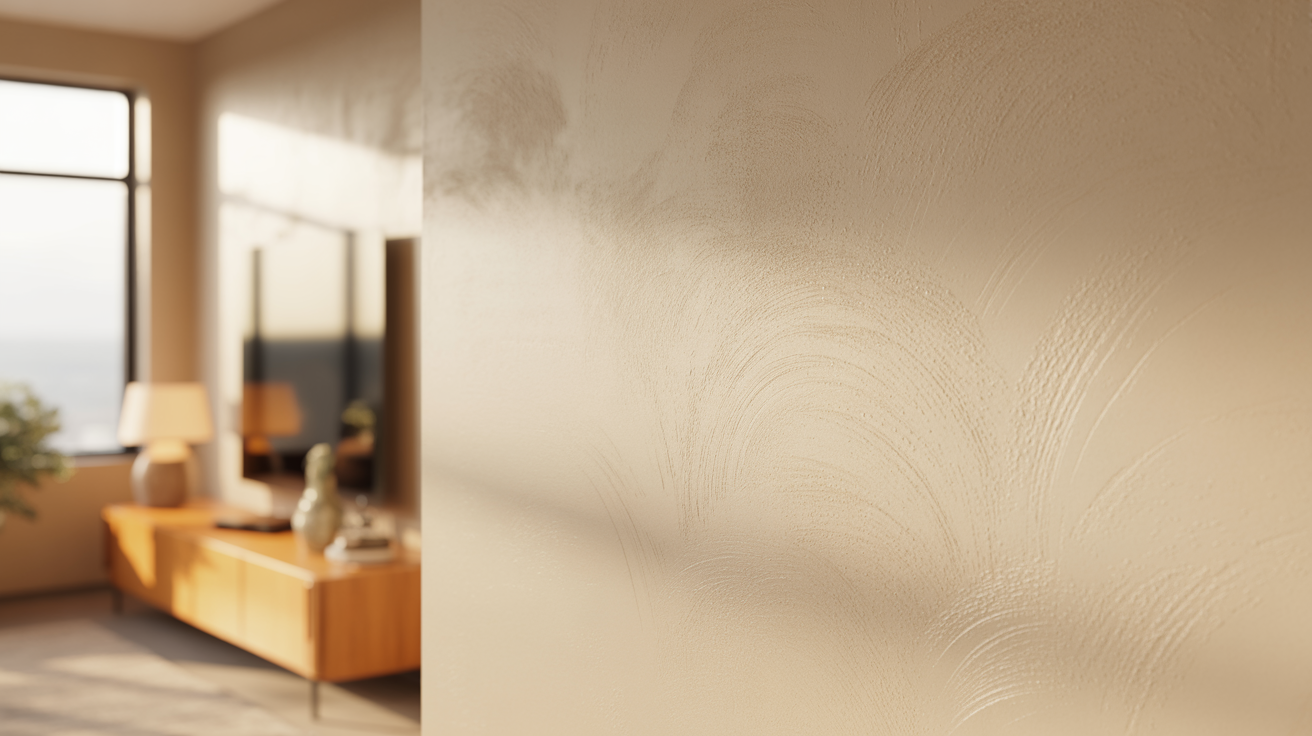
Smooth finish uses multiple layers of drywall compound applied and sanded carefully. This is a Level 4 or 5 finish in construction terms. Zero texture. Just flat, sleek walls.
This is the hardest finish to achieve and maintain. Every imperfection shows, dents, scratches, and uneven patches all stand out.
I only recommend smooth walls if your drywall is already flawless. Low maintenance once installed, but expensive upfront labor costs.
2. Orange Peel
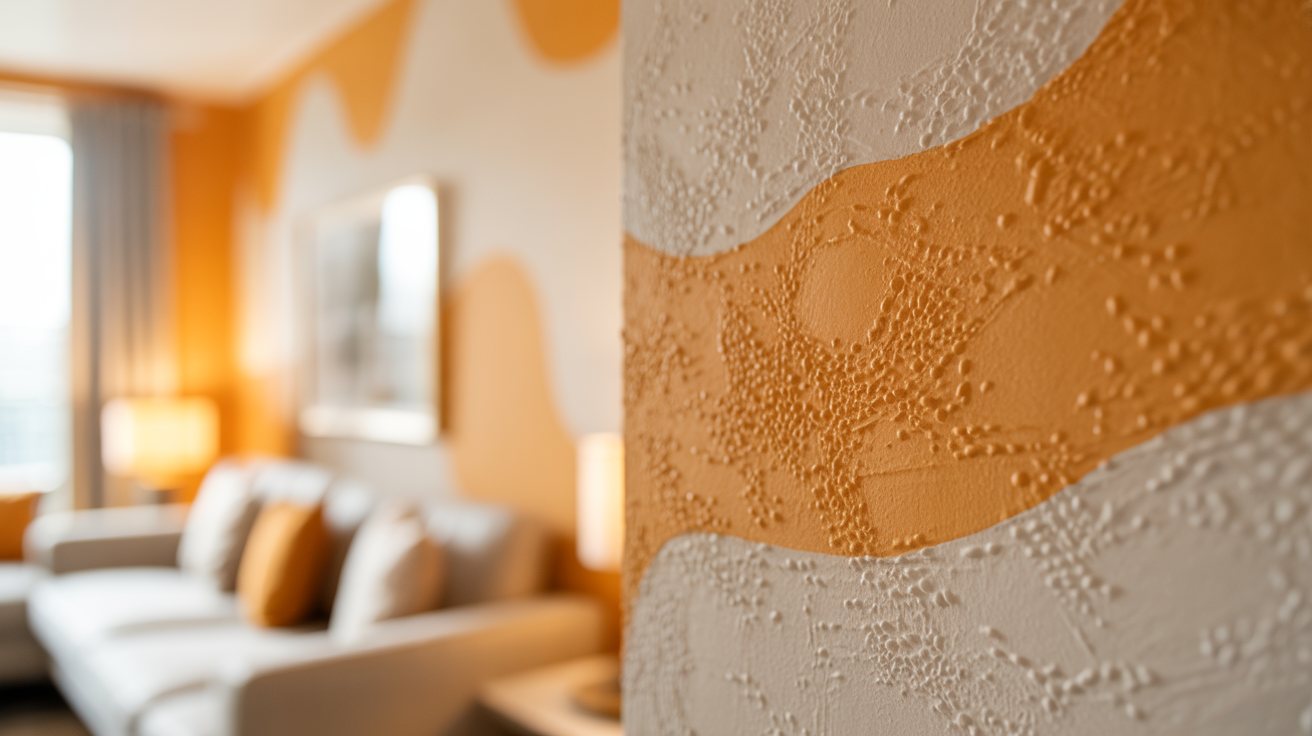
Orange peel texture looks slightly bumpy, like the skin of an orange. It’s a spray-on application that goes up fast. You can DIY it with a hopper gun or hire it done cheaply.
This texture hides minor wall flaws without looking heavily textured. It’s the most common residential finish in America. Works great in living rooms, bedrooms, and hallways where you want subtle texture without drama.
3. Knockdown
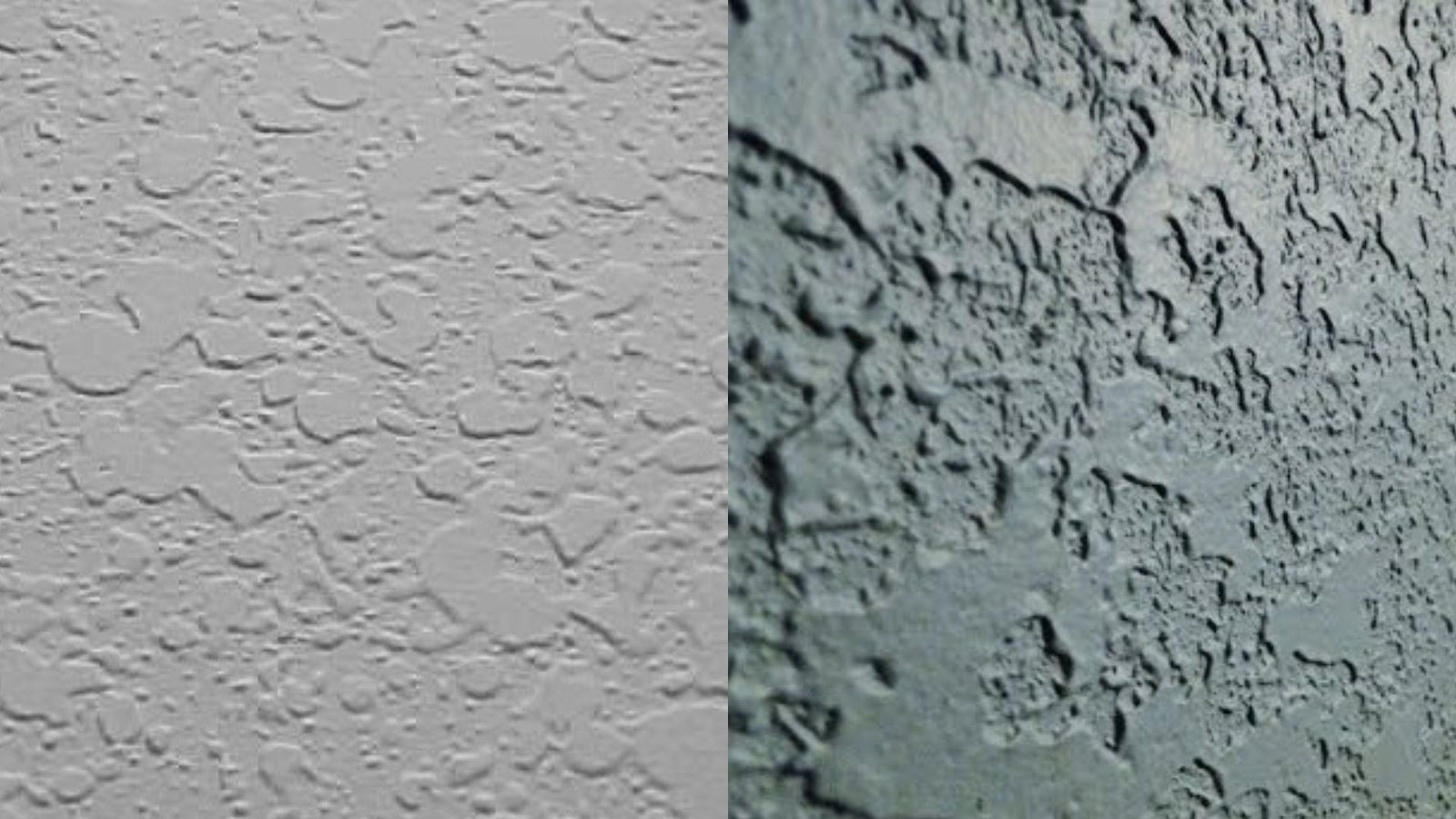
Knockdown starts as a sprayed compound that gets partially flattened with a trowel. You’re knocking down the peaks but leaving valleys. This creates soft shadows and mottled patterns across your wall.
High-traffic areas benefit most from knockdown. It hides dings and scuffs better than smooth walls. I use it in entryways and kids’ rooms where walls take abuse. The texture catches light beautifully without looking dated.
4. Skip Trowel
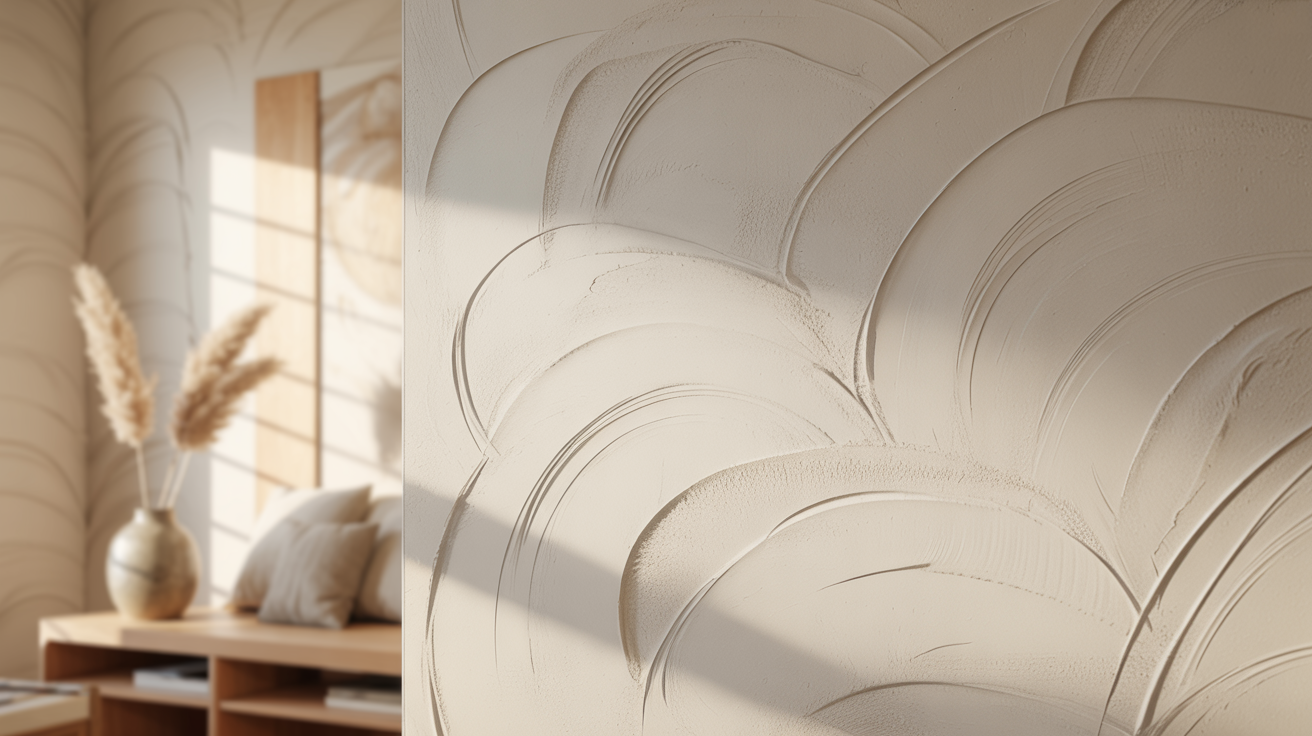
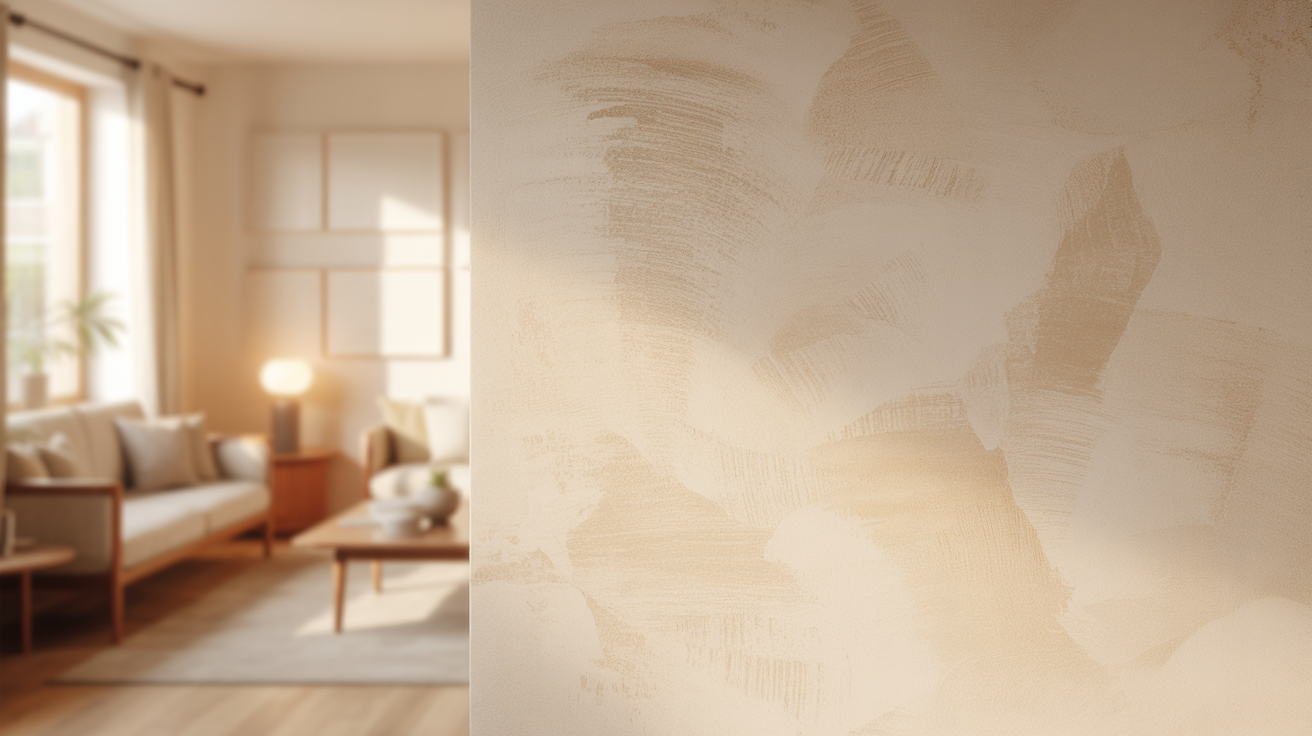
Skip trowel uses a sprayed compound that gets troweled in random skipped motions. You’re not covering the whole surface, just parts of it. This adds rustic, artistic appeal with a handmade character.
Every skip trowel wall looks distinctive because the application varies by installer. Ideal for accent walls where you want one-of-a-kind texture. It takes skill to make it look intentional instead of sloppy.
5. Trowel Swirl
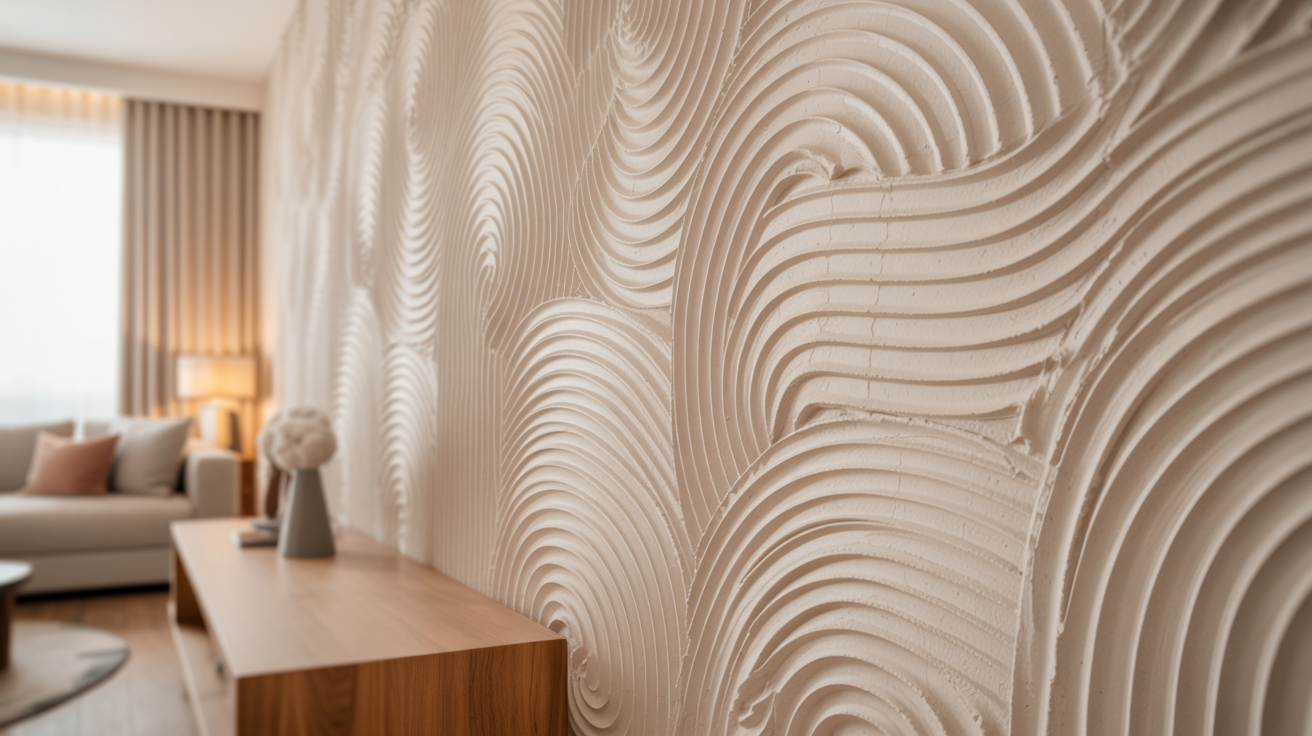
Trowel swirl creates circular patterns using thick compound and circular trowel motions. Think of frosting a cake in swirls. This delivers a thick, artistic finish with real dimension.
Careful with feature walls or formal dining rooms. The pattern catches light from every angle. I don’t recommend it for entire rooms, as it’s too busy. One accent wall makes the statement without overwhelming your space.
6. Swirl (Brush/Roller)
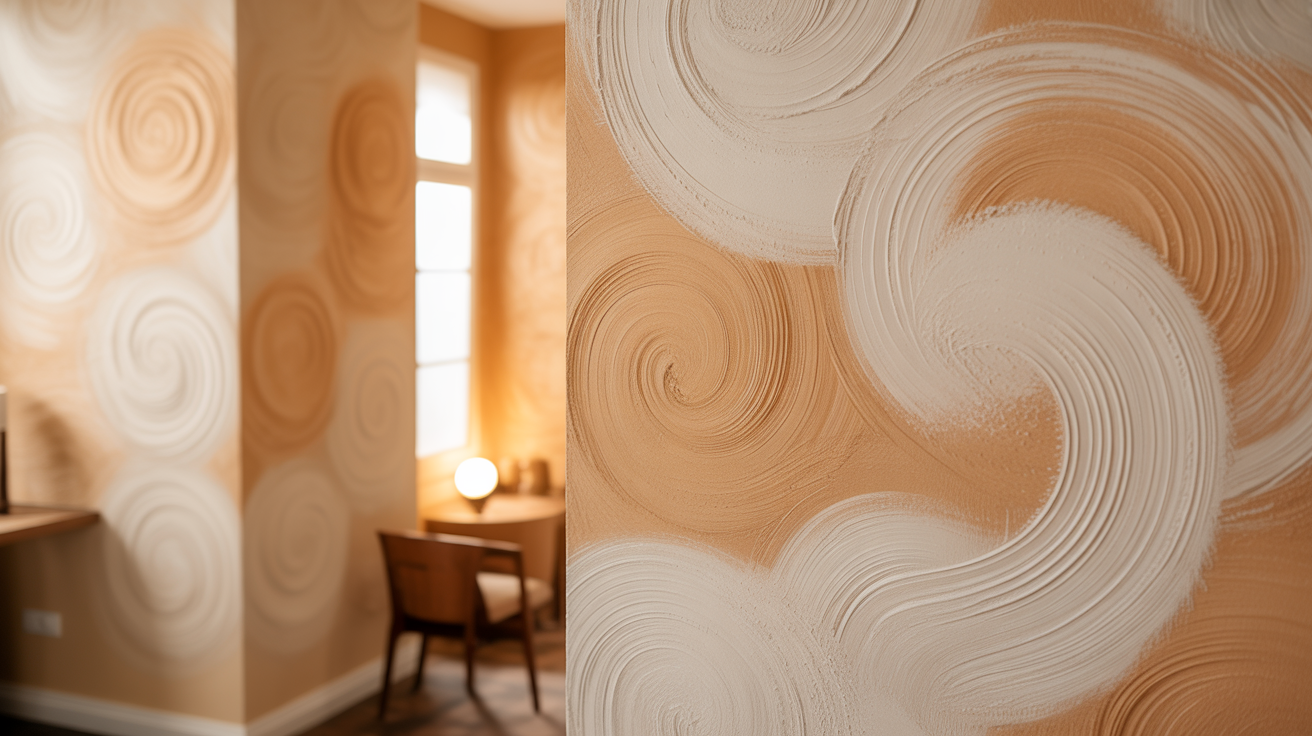
Brush or roller swirl applies thinner, more uniform patterns than hand-troweled swirls. You use a special textured roller or stiff brush. The result adds subtle refinement without heavy thickness.
This version costs less than the trowel swirl because the application goes faster. The patterns stay consistent across large areas.
Good middle ground between smooth walls and heavy texture. Works in bedrooms and offices where you want interest without boldness.
7. Lace (Spanish Lace)
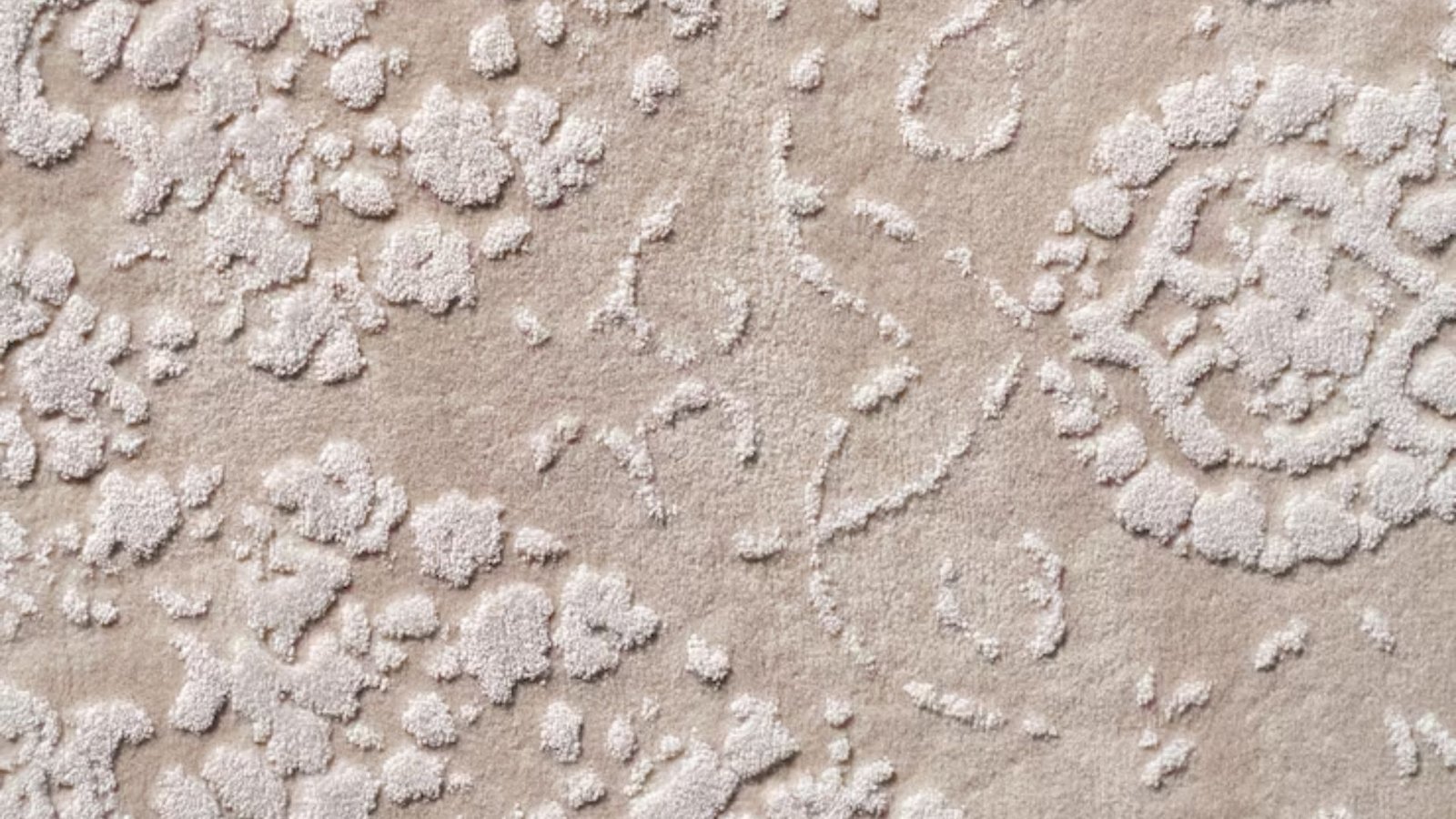
Spanish lace creates intricate web-like patterns applied by hand. Thin layers of compound get pulled and shaped into fine designs. This hides wall imperfections while adding refinement.
This texture requires real skill to execute well. Bad lace looks messy instead of refined. I’ve seen it done beautifully in Mediterranean-style homes.
It works best in formal living rooms or entryways where you want Old World charm.
8. Slap Brush
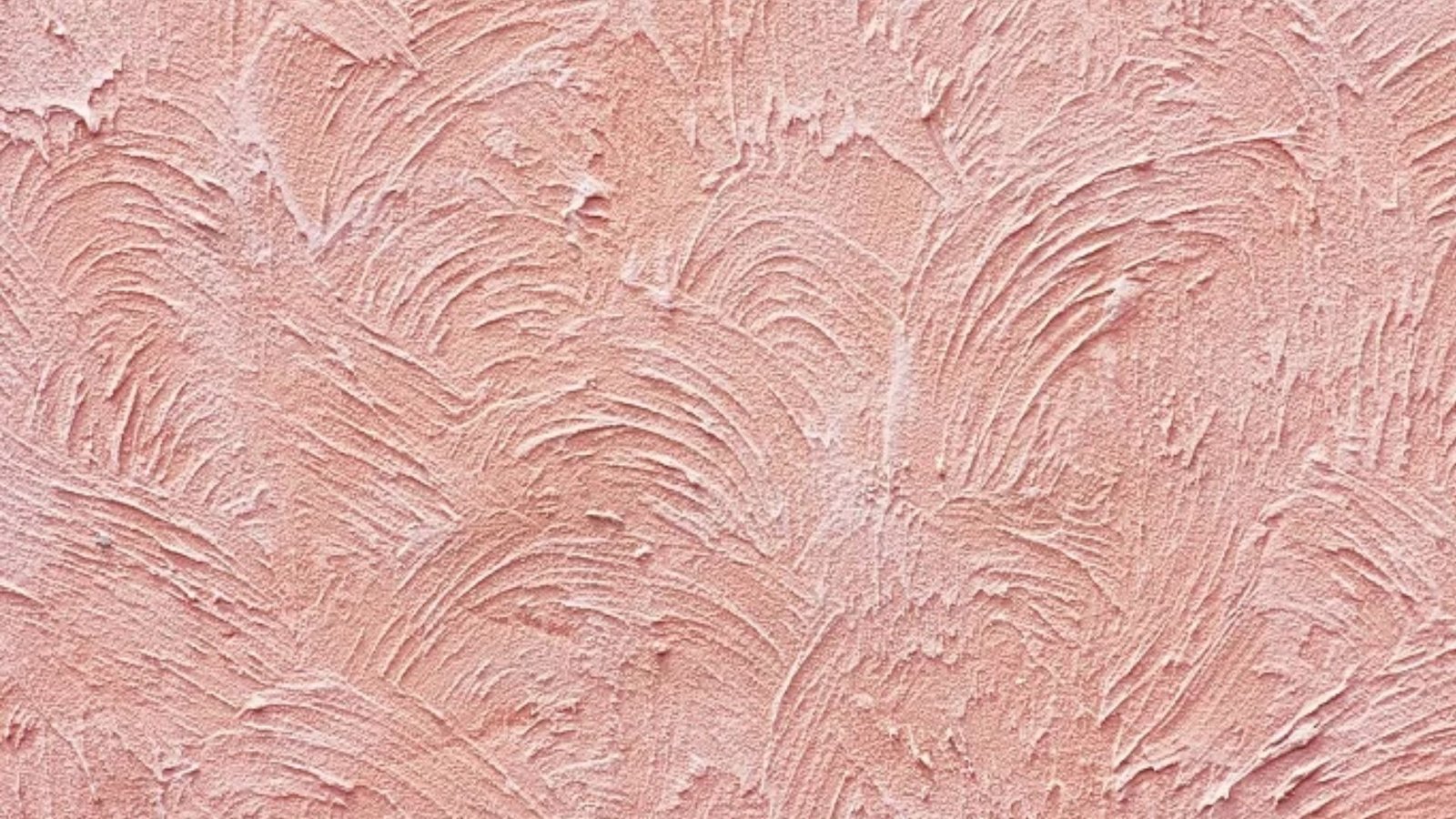
Slap brush uses a stiff brush literally slapped against wet compound to create random organic patterns. Each application creates distinctive marks. No two sections look identical.
This delivers artistic, handcrafted appeal. It requires skill and patience to make it cohesive. I use a slap brush on accent walls in eclectic or bohemian spaces. The texture adds character you can’t buy in a store.
9. Popcorn
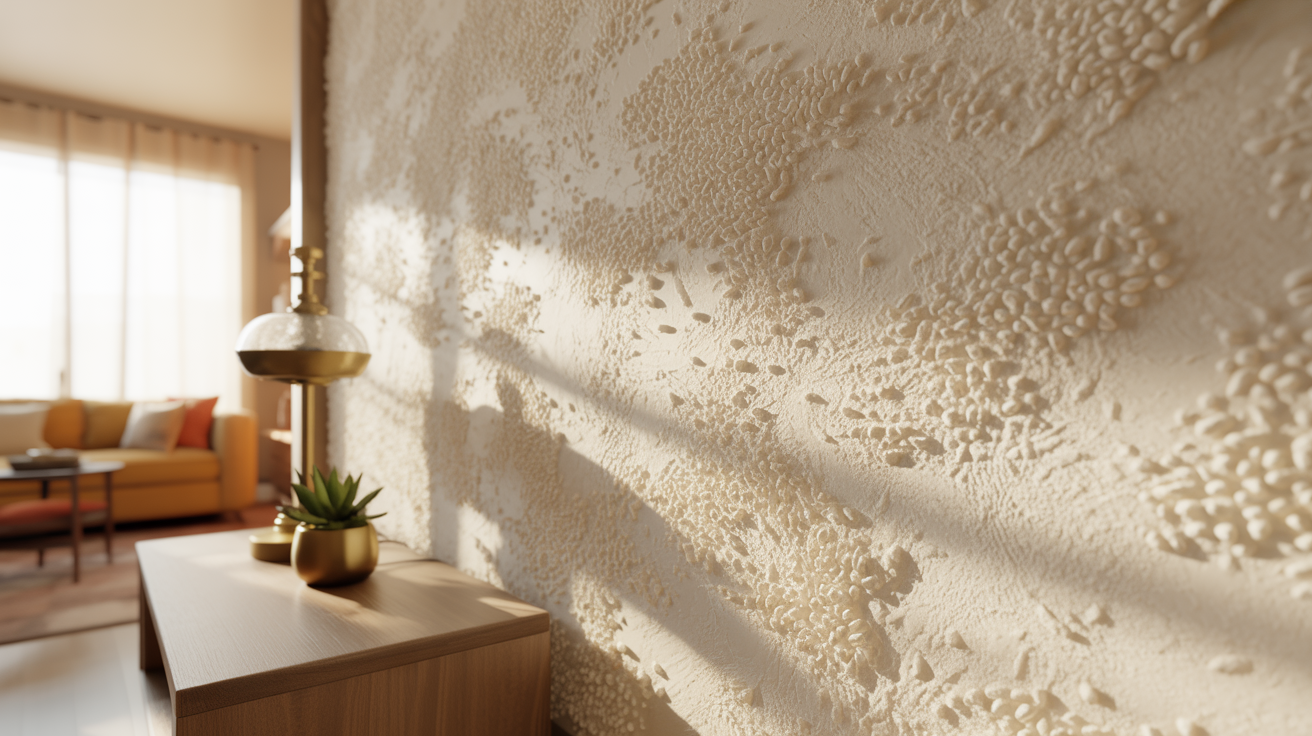
Popcorn texture creates a bumpy, sound-absorbing finish typically used on ceilings. Spray-on application with Styrofoam or vermiculite particles. It hides ceiling flaws in older homes.
Most people hate popcorn now, as it looks dated. Worse, pre-1980s popcorn may contain asbestos. If you’re removing it, test first.
I only install popcorn when clients specifically request it for acoustic purposes in basements or media rooms.
10. Venetian Plaster
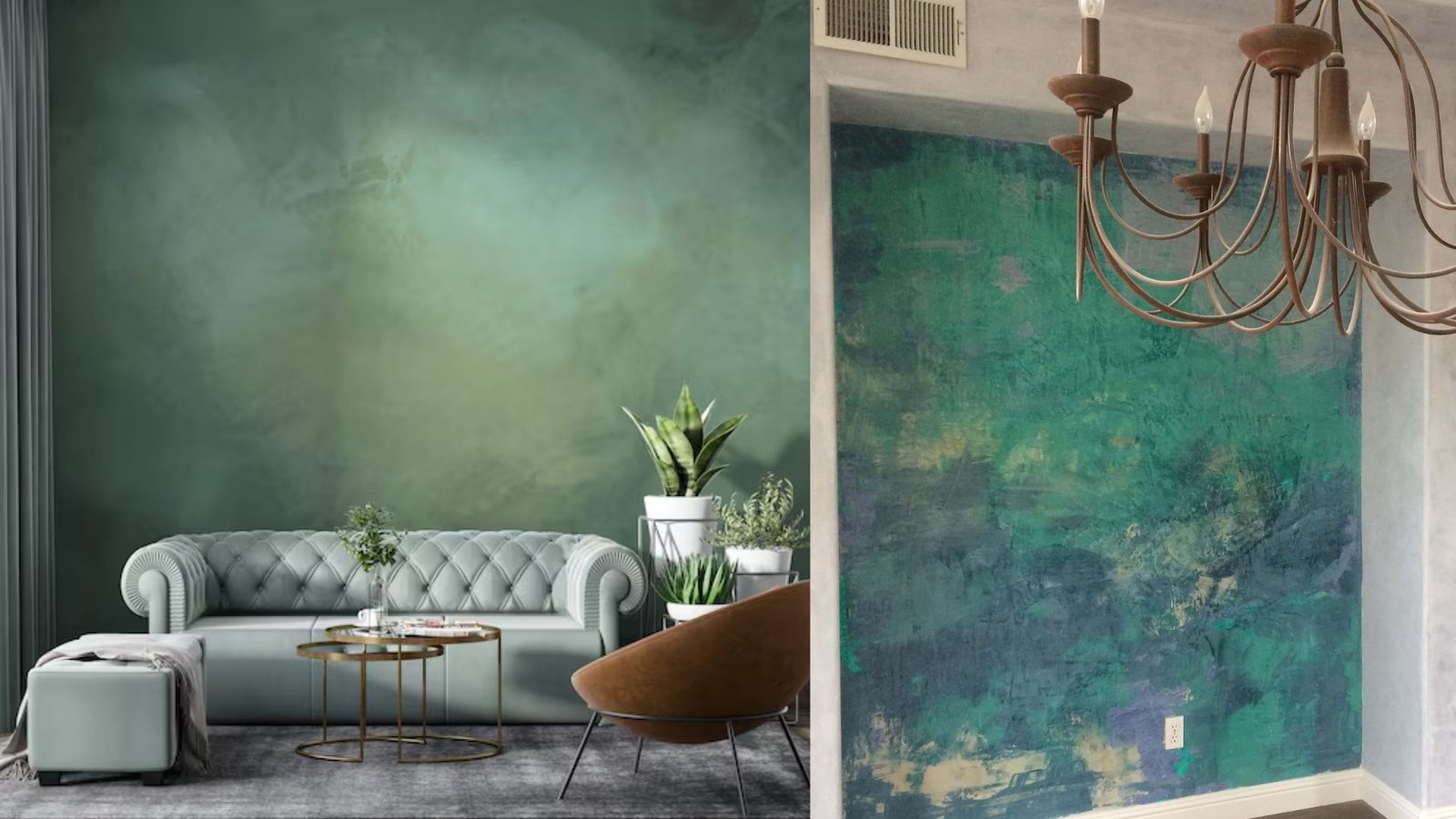
Venetian plaster creates a smooth, luxurious finish with a subtle layered texture. Multiple thin coats of lime plaster get burnished to a soft sheen. It’s moisture-resistant and durable.
This is a premium finish with a premium price. Expect to pay professional installers because the application requires specialized skills.
I use Venetian plaster in high-end kitchens and bathrooms where water resistance matters. The finish looks expensive because it is.
11. Sand Swirl
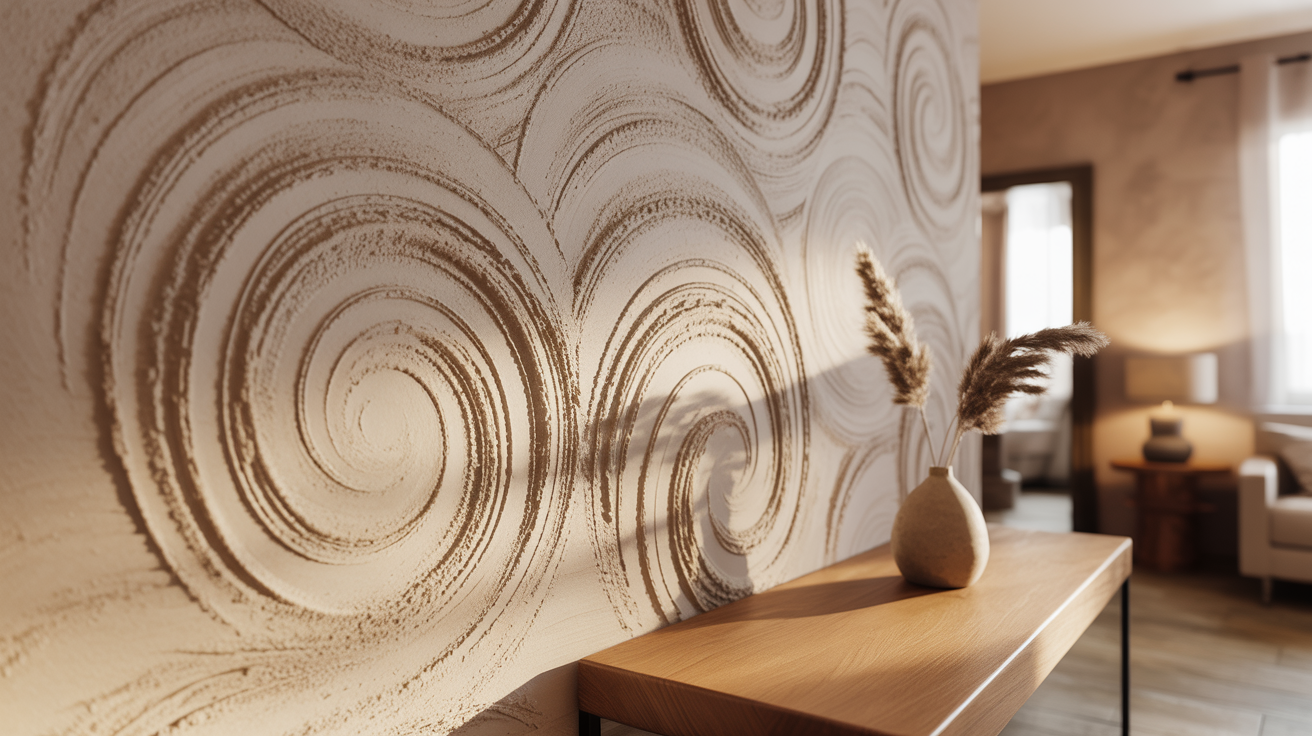
Sand swirl mixes fine sand into joint compound for a gritty, dimensional texture. You apply it in swirling patterns. The sand catches light and creates coastal or natural patterns.
This adds subtle sparkle without glitter. Works great in beach houses or rooms with natural themes.
The texture feels slightly rough to the touch. Not ideal for kids’ rooms where walls get touched constantly.
12. Slap Stomp / Rosebud Stomp
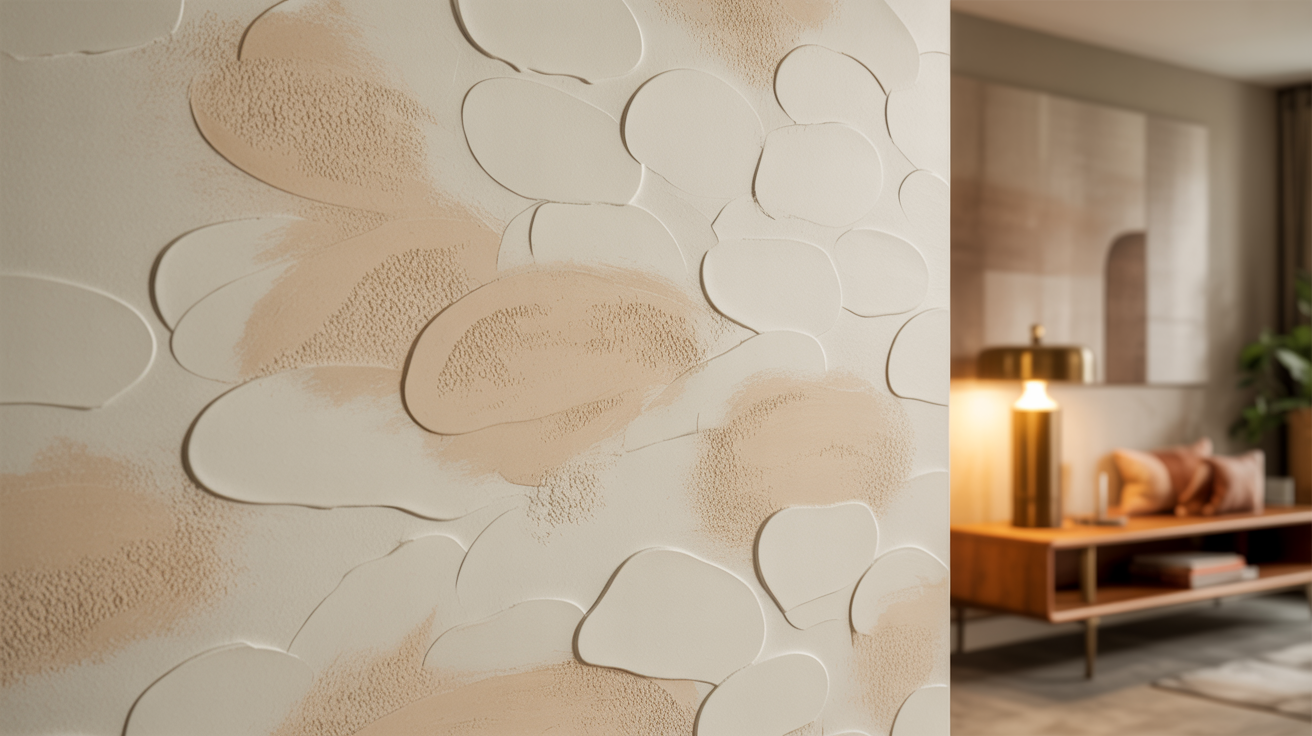
Specialized stomping tools create floral or rounded impressions in wet compound. You press the tool against the wall, then pull it away. Each impression overlaps slightly with the next.
This is purely decorative and hand-applied. The pattern looks dated to some people, trendy to others.
I’ve installed it in powder rooms and hallways where small doses of artistic texture work. Wouldn’t recommend it for main living spaces.
13. Linear / Comb Patterns
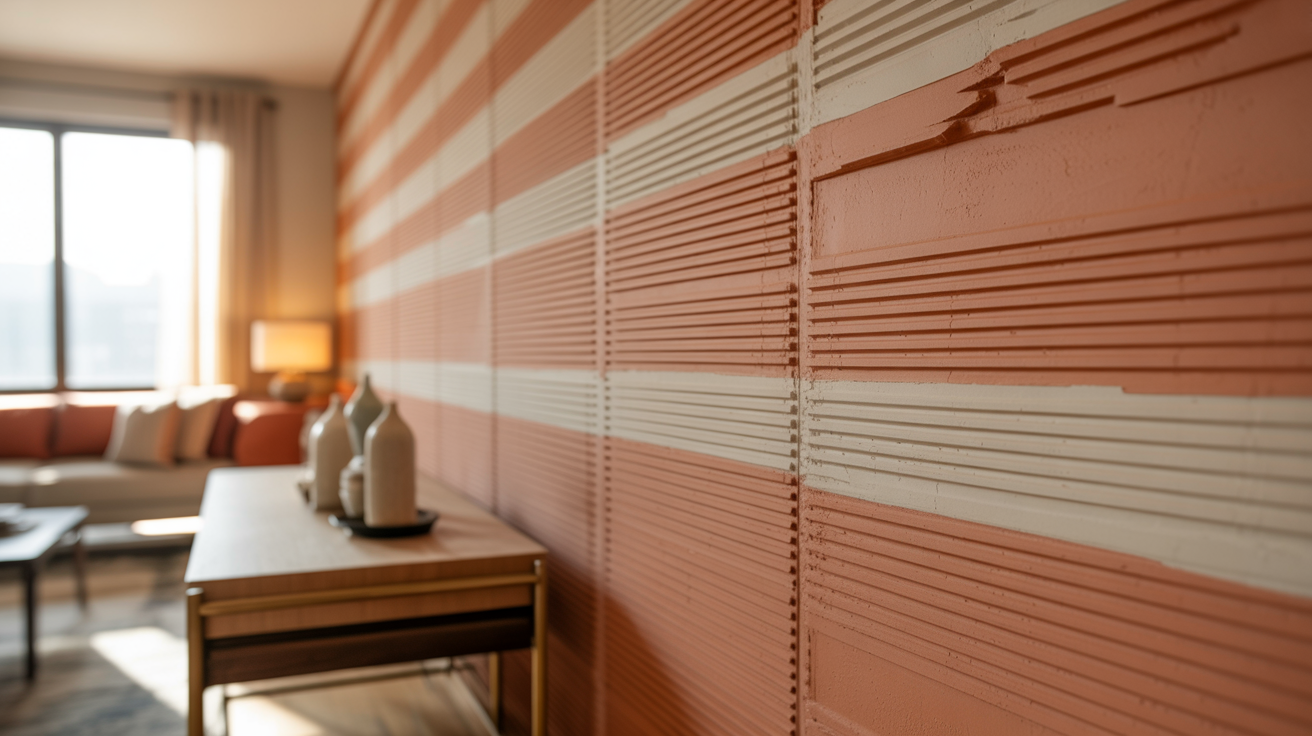
Comb tools create parallel grooves or geometric lines in wet compound. You drag the comb across the surface in straight lines or patterns. Modern, geometric aesthetic results.
This works beautifully in contemporary spaces that embrace linear design. The grooves collect dust over time, though.
I use linear patterns on accent walls only, not entire rooms. Cleaning requires more effort than smooth or lightly textured walls.
Tips for Choosing the Right Wall Texture
Texture changes how your room feels and functions. The wrong texture ruins your design faster than the wrong color. These tips help you choose wisely.
- Match texture to purpose: Heavy textures like brick veneer or deep wood panels work in living rooms that need drama, bedrooms, and offices need subtle textures like smooth shiplap or soft limewash that won’t overstimulate or distract.
- Consider maintenance reality: Smooth painted surfaces wipe clean with a damp cloth, deep wood grooves trap dust and require vacuuming, while fabric panels stain permanently and cost $25-$40 per square foot to replace, versus $4-$7 to repaint.
- Test first always: Buy one sample panel or install texture on a 2×2 foot section, see how it looks in your lighting and how hard it is to clean before covering your entire wall and living with regret.
Conclusion
You’ll find different wall textures that add serious character to any room. Knockdown, orange peel, skip trowel, Venetian plaster, each one brings its own vibe and depth. You know which ones you can tackle yourself and which need a pro’s touch.
Those flat, boring walls? They’re about to get the upgrade they’ve been missing. Pick a texture that matches your style and watch your room change.
Which texture are you most excited to try? Drop a comment and let me know. Share this guide with anyone tired of plain walls. And if you’re looking for more ways to improve your space, check out our posts on accent wall designs and color ideas. Time to give your walls some personality.
Frequently asked questions
What are the most popular wall textures for modern homes?
Knockdown and orange peel are most common, as they’re subtle and hide imperfections well. Skip trowel adds Mediterranean charm. Smooth finishes work in contemporary spaces. Venetian plaster delivers high-end, refined. Popcorn texture is outdated, as it. Choose based on your style: subtle textures for modern, heavier textures for rustic or traditional looks.
How much does it cost to add texture to walls?
DIY texture costs $50-$150 for materials on a standard room, including joint compound, tools, and primer. Professional texturing runs $1-$3 per square foot ($400-$1,200 for an average room). Venetian plaster costs more at $8-$15 per square foot. Removing old texture before applying new adds $1-$2 per square foot.
Can I apply wall texture over existing paint?
Yes, but prep matters. Clean walls thoroughly and apply primer first for best adhesion. Glossy paint needs sanding or a deglosser. Damaged walls need patching before texturing. Texture won’t fix major cracks or holes, so repair those first. Proper prep prevents texture from peeling or looking uneven later on.
Which wall textures are easiest for beginners to DIY?
Orange peel is easiest, spray it on with a hopper gun. Knockdown comes next, apply texture, then lightly flatten with a trowel. Skip trowel needs practice, but it is doable. Avoid Venetian plaster as a beginner, as it requires skill and patience. Start small, practice on scrap drywall, and watch tutorials before tackling full walls.
Do textured walls make rooms look smaller or larger?
Heavy textures can close in small rooms, stick to subtle orange peel, or knock down. Smooth walls reflect more light, making spaces feel larger. Directional textures like skip trowel add depth without overwhelming. Light colors help textured walls feel open. In large rooms, bolder textures add character without size concerns.