You want an accent wall, but you have no idea what it’ll actually cost. Paint seems cheap, but what about wallpaper, wood panels, or stone? Before you commit to a design, you need real numbers so you can budget without surprises.
This breakdown shows you what different accent walls cost, including paint, peel-and-stick wallpaper, shiplap, wood trim, tile, and stone veneer. You’ll see material prices, labor rates if you hire help, and which options give you the best bang for your buck. I’ll also flag hidden costs most people forget about.
I’ve priced out hundreds of accent wall projects and know where money gets wasted. You deserve honest numbers from someone who’s seen the bills, not just guesses. If you are DIYing on a tight budget or hiring a pro for something special, you’ll know exactly what to expect.
Factors That Influence Accent Wall Cost
Not all accent walls cost the same. A painted wall runs $200 while an upholstered panel wall hits $2,000. Understanding what drives cost helps you budget realistically.
Size of the Wall
Larger walls need more materials and labor hours. A small 8×10 foot bedroom wall (80 sq. ft.) costs less than a 12×10 foot living room wall (120 sq. ft.) using the same materials.
Most residential accent walls range from 80-150 square feet. Multiply your wall’s square footage by the material cost per square foot.
Add 10-15% for waste and mistakes: I’ve never finished a project using exactly the amount I calculated.
Type of Materials
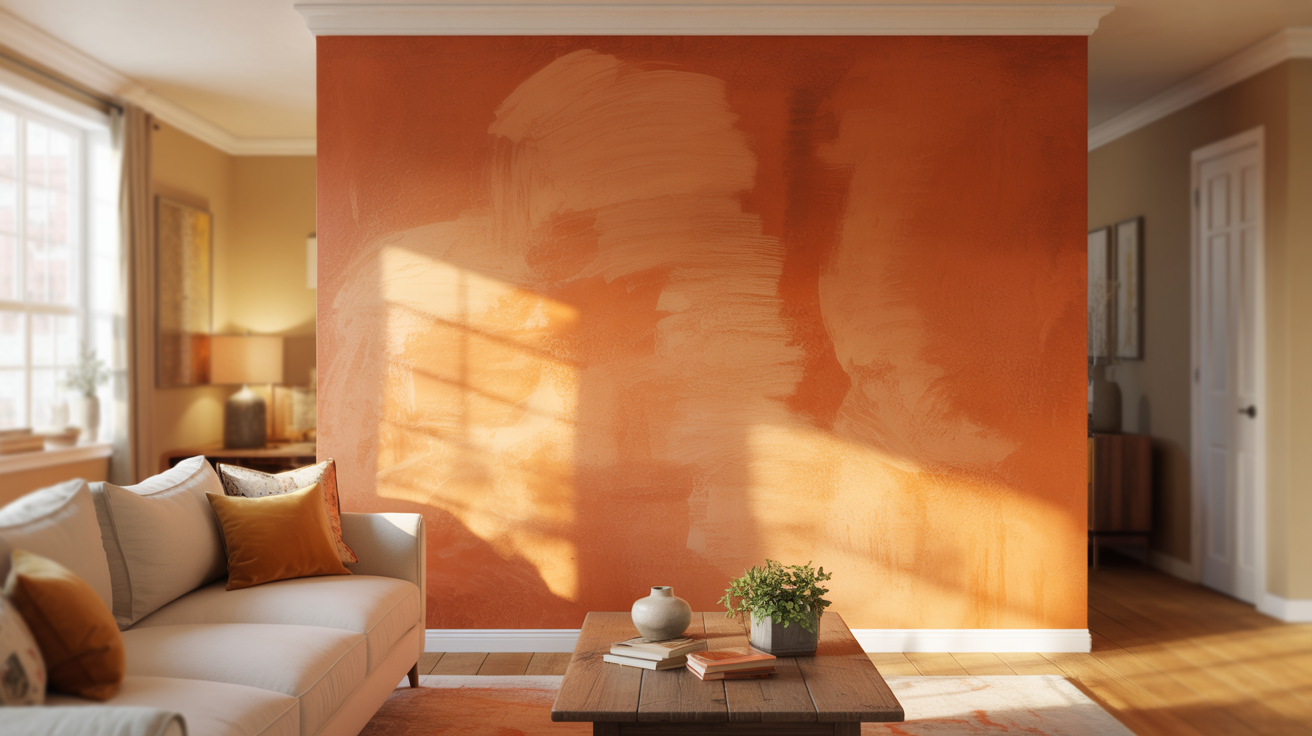
Your material choice controls both cost and appearance. Some materials look expensive but are installed cheaply. Others cost a fortune in materials and labor.
- Paint: $4–$7 per sq. ft., Affordable, fast, and fully customizable in any color.
- Board and Batten: $12–$18 per sq. ft., Classic paintable trim, ideal for bedrooms and dining rooms.
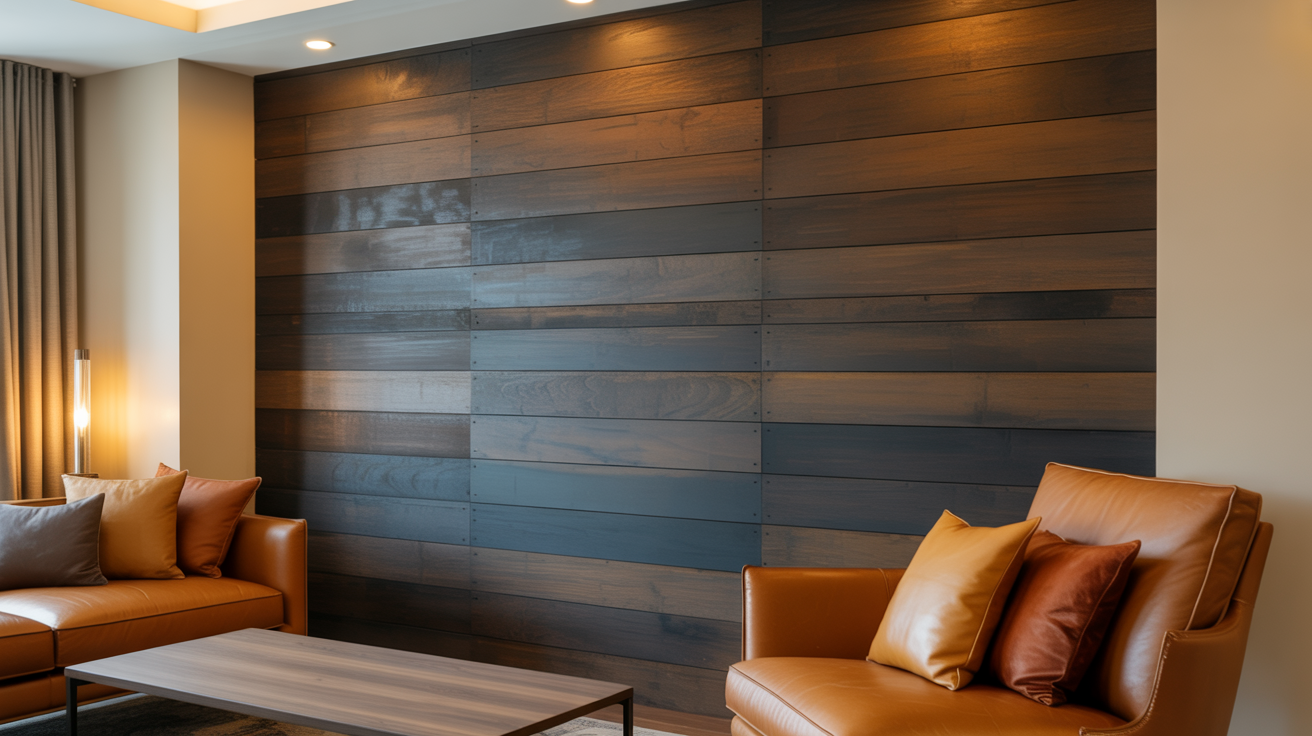
- Shiplap: $15–$20 per sq. ft., Rustic or coastal look using painted MDF or natural wood.
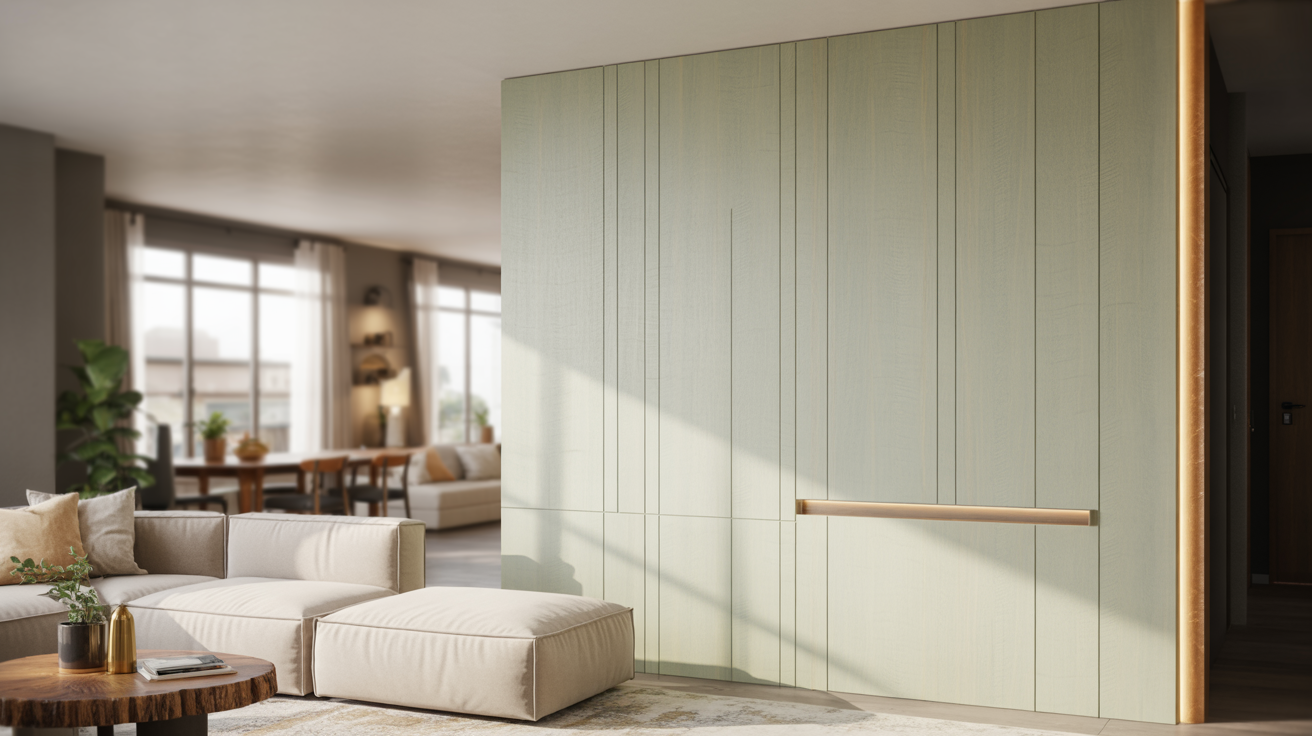
- Wood Slats: $18–$25 per sq. ft., Modern textured design, popular behind TVs or in offices.
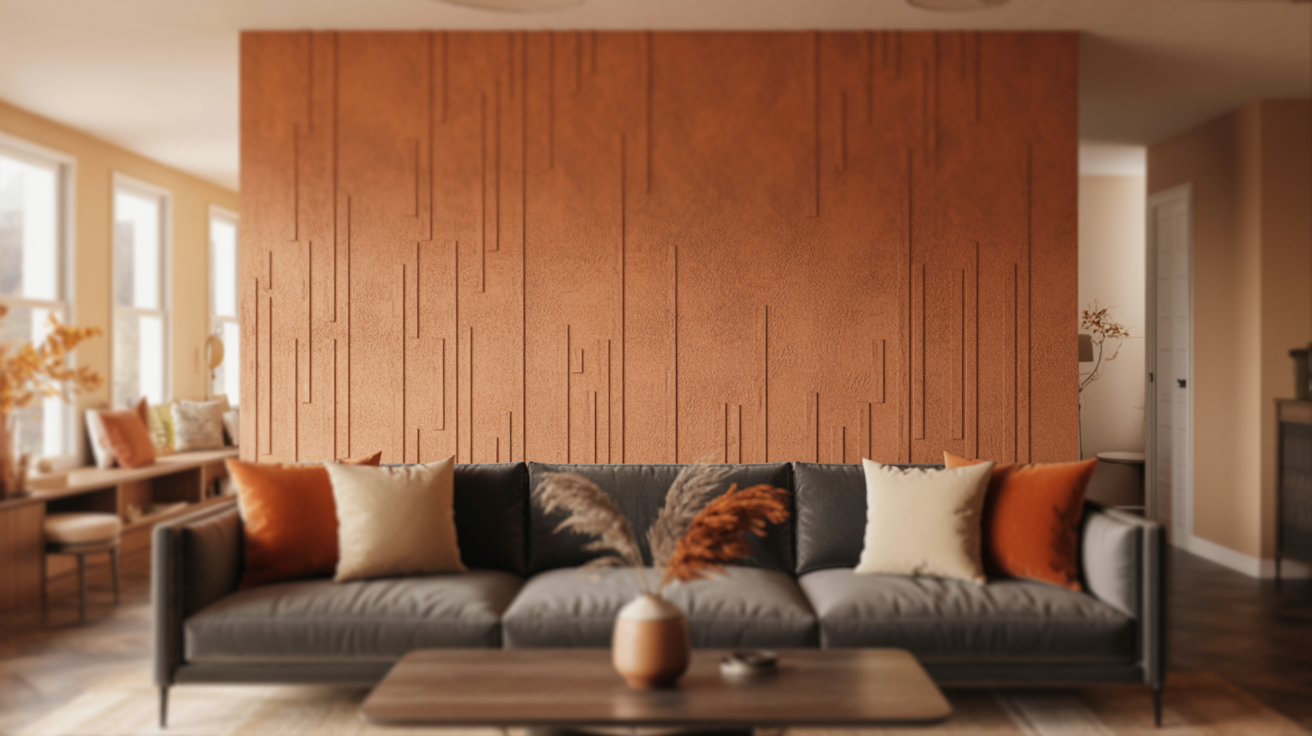
- Limewash: $12–$18 per sq. ft., Soft natural finish with subtle texture and depth.
- Brick Veneer: $20–$30 per sq. ft., Industrial look that’s paintable for different styles.
- Upholstered / 3D Panels: $25–$40 per sq. ft., Sound-absorbing and refined, used in commercial spaces.
Paint gives you the most design flexibility for the lowest cost. Wood treatments add texture but triple your budget.
Upholstered panels deliver luxury hotel vibes and acoustic benefits you can’t get from paint or wood.
Complexity of Design
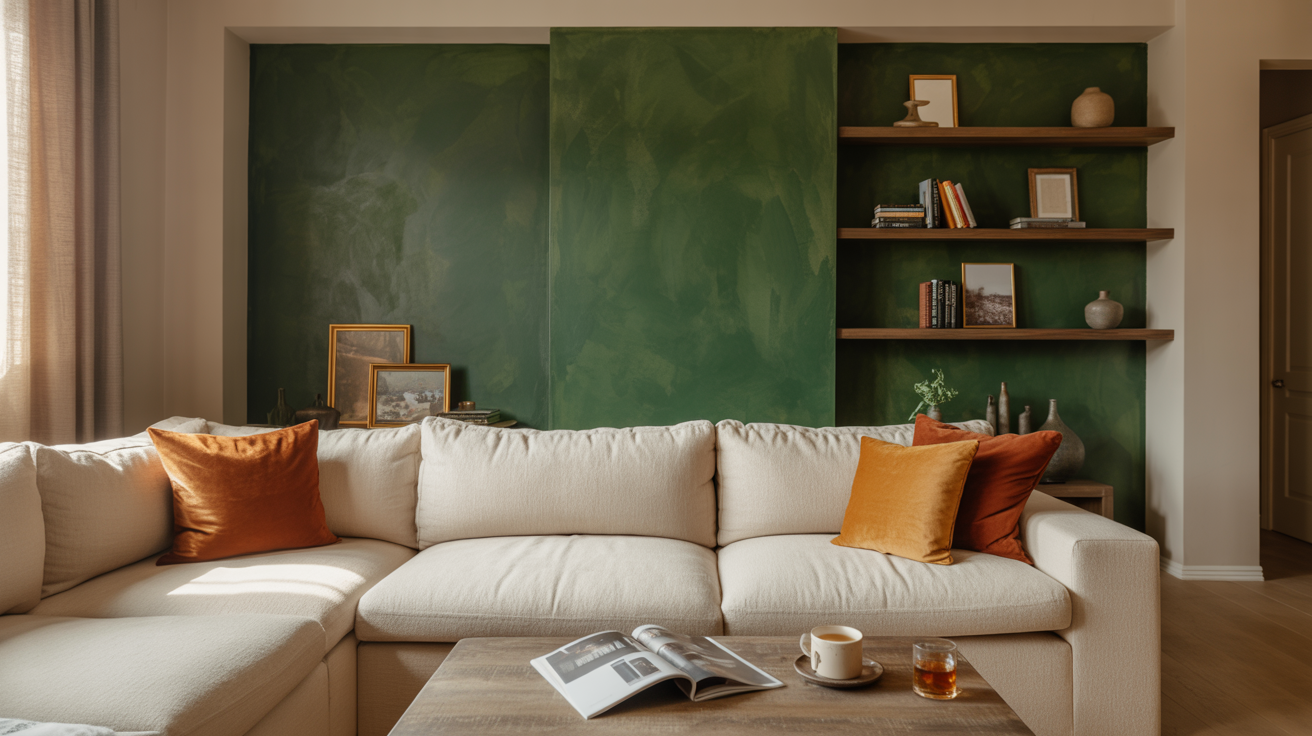
A simple painted wall takes 3-4 hours. Intricate geometric paneling takes 2-3 days. Complexity multiplies labor costs fast.
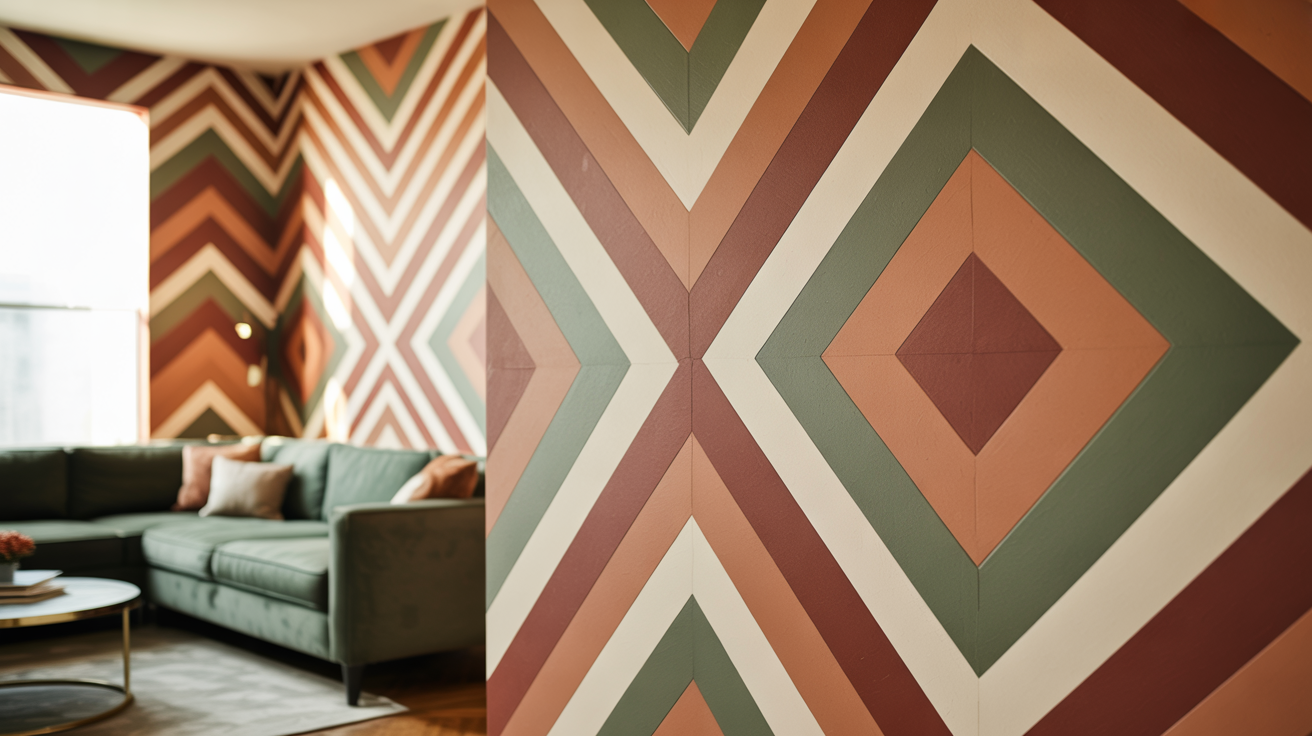
Custom designs increase both labor hours and skill requirements. Herringbone wood patterns, chevron trim layouts, or hand-painted murals all take precision.
Every angle cut adds time. Every measurement adds risk. I charge 50-100% more for complex patterns than for straight installations.
Labor and Installation
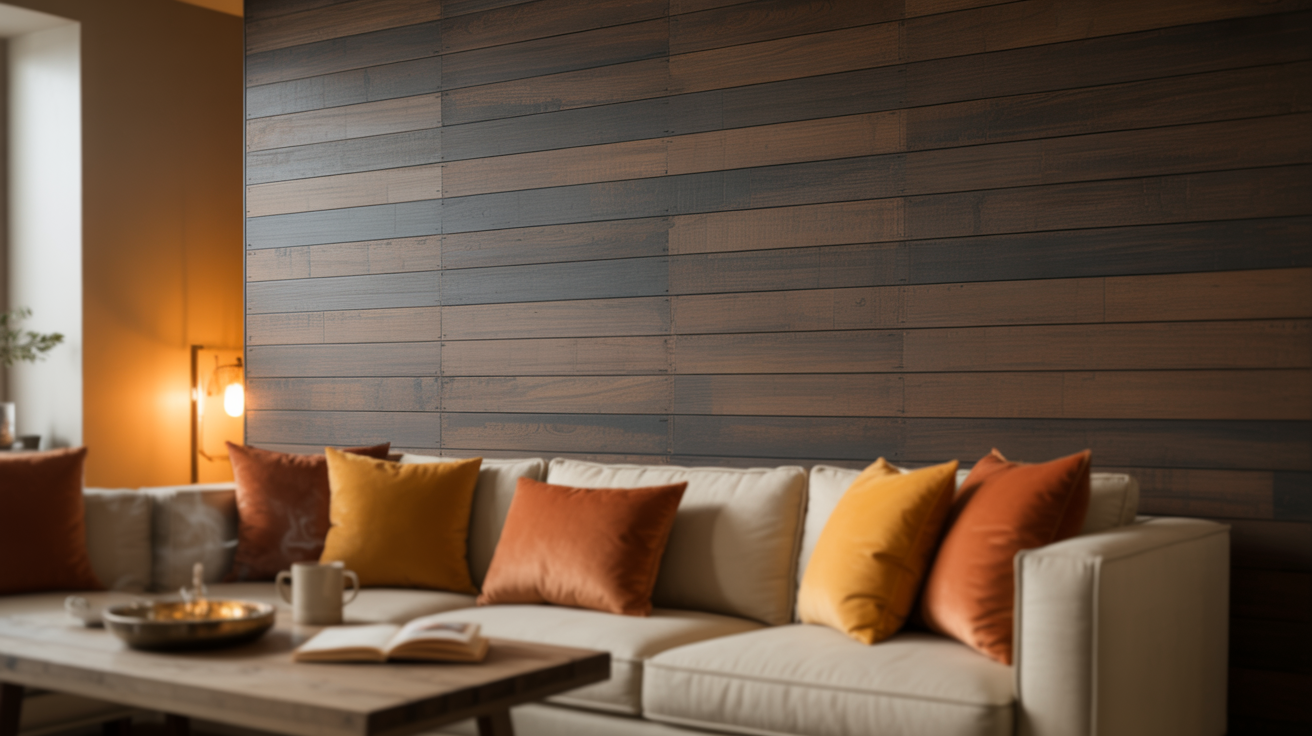
Who installs your accent wall matters as much as what materials you use. Skilled carpenters charge more but deliver results that last. General handymen cost less but might lack the precision skills.
Labor rates vary by region and expertise. Expect $50-$75 per hour for general contractors. Specialized finish carpenters charge $75-$125 per hour. Experienced professionals prevent expensive mistakes. Uneven spacing, crooked lines, or poor paint finishes require complete redos.
Additional Costs
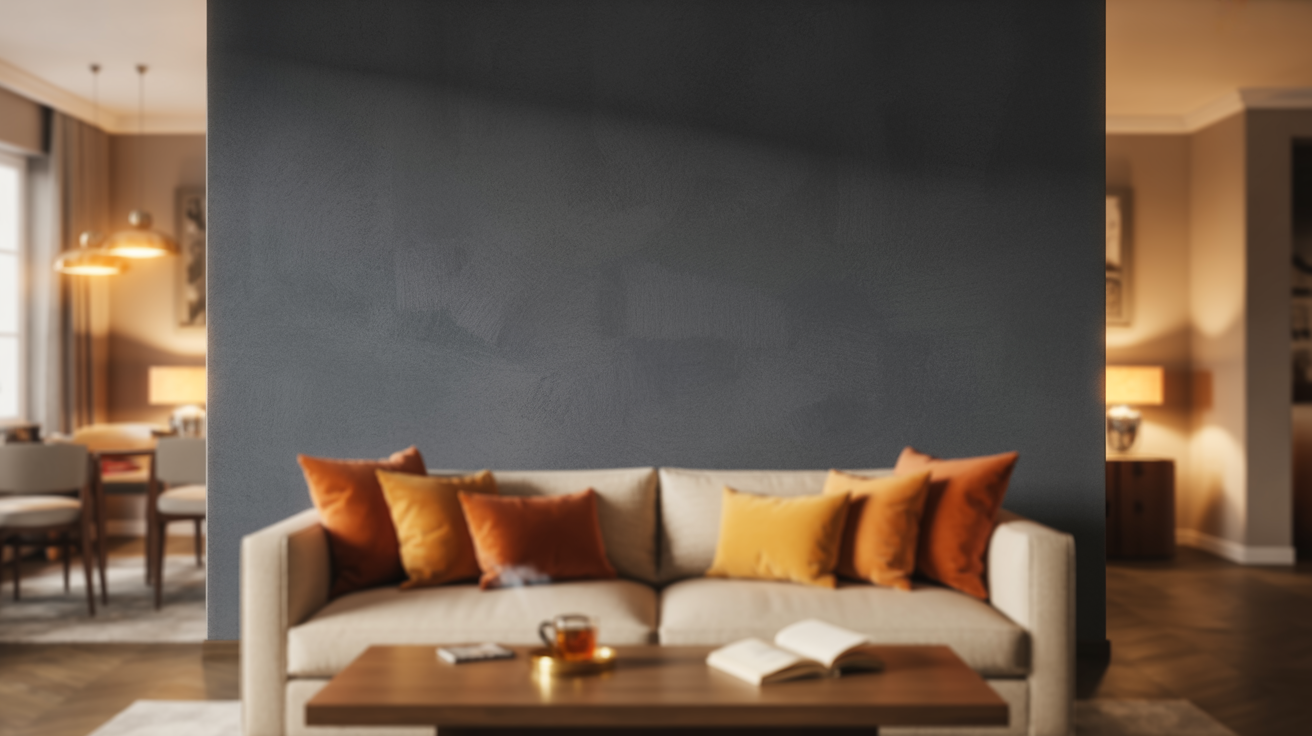
The materials and labor aren’t your only expenses. Hidden costs add up fast if you don’t plan for them.
Wall preparation costs $1-$3 per square foot for repairs or texture removal. Paint or stain services add $2-$4 per square foot on top of materials.
Trim, molding, and finishing touches run another $100-$300, depending on project size.
Budget an extra 20% beyond your material and labor estimate. Primer, sandpaper, caulk, wood filler, and small supplies make the difference between amateur and professional results.
I’ve watched people run out of money mid-project because they forgot these essentials.
Average Accent Wall Costs
Cost varies widely based on materials and complexity. Paint starts at $4 per square foot, while upholstered panels hit $40. Here’s what you’ll actually pay for each option.
Painted Accent Wall
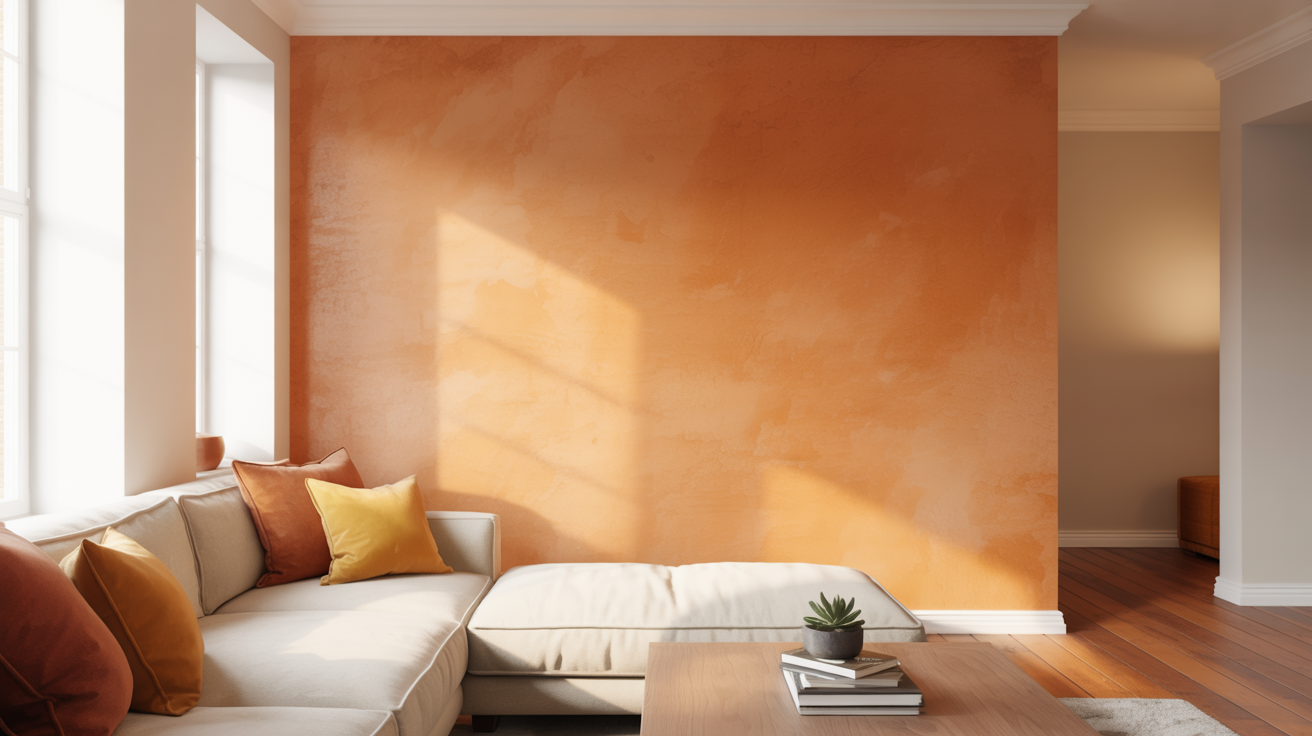
Painted accent walls cost $4–$7 per square foot installed. This includes labor, paint, primer, and basic wall prep.
A typical 100 square foot wall runs $400-$700 total. This is the fastest and most affordable option.
You get unlimited color choices. You can change it easily. I can paint a bedroom accent wall in 3-4 hours, start to finish.
Panel and Wood Accent Walls
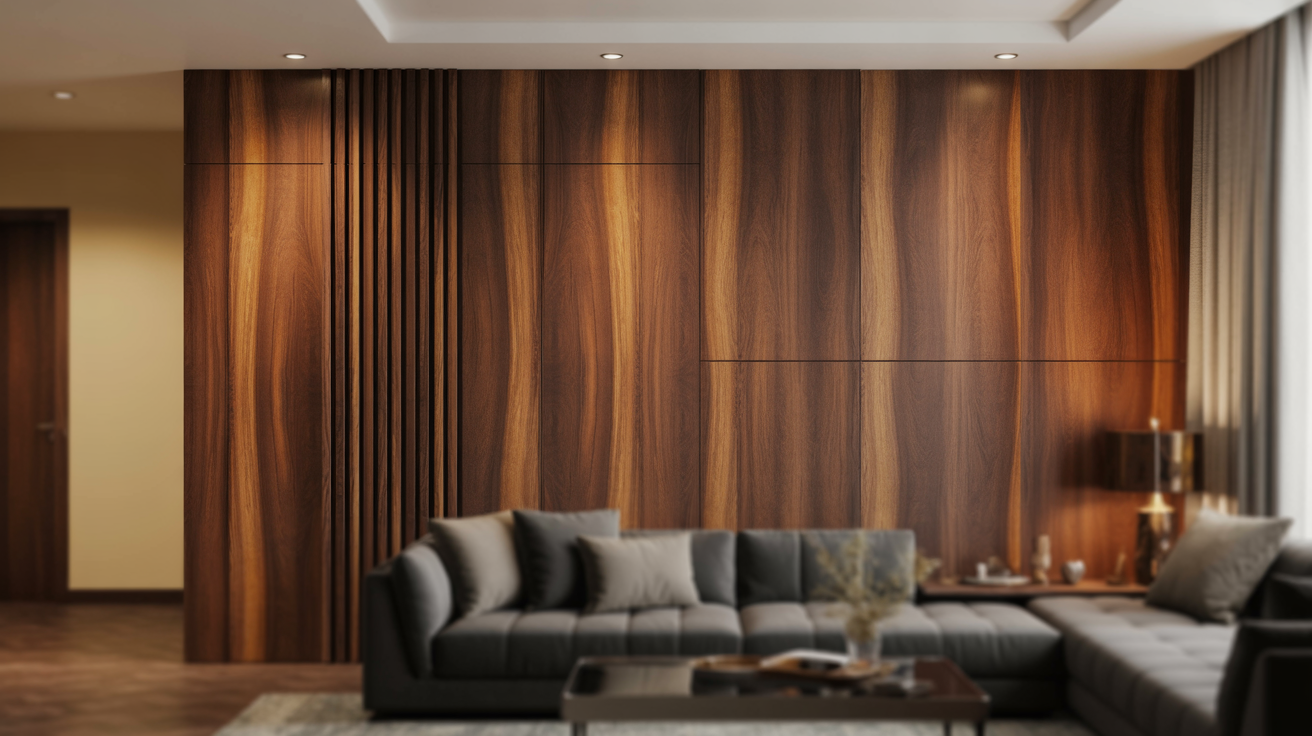
Wood treatments add texture that paint can’t deliver. They cost more because installation takes skill and time.
- Board and Batten: $12–$18 per sq. ft., Vertical trim pieces on a backing board create classic texture.
- Shiplap: $15–$20 per sq. ft., Horizontal planks with tight seams give rustic or coastal vibes.
- Wood Slats: $18–$25 per sq. ft., Modern vertical or horizontal slats with gaps between each piece.
Board and batten installs fastest. You’re just attaching trim to a flat surface. Shiplap takes longer, as each plank must align perfectly.
Wood slats require the most precision. Spacing must stay consistent across the entire wall. A 100 square foot wall costs $1,200-$2,500, depending on style.
Specialty Finishes
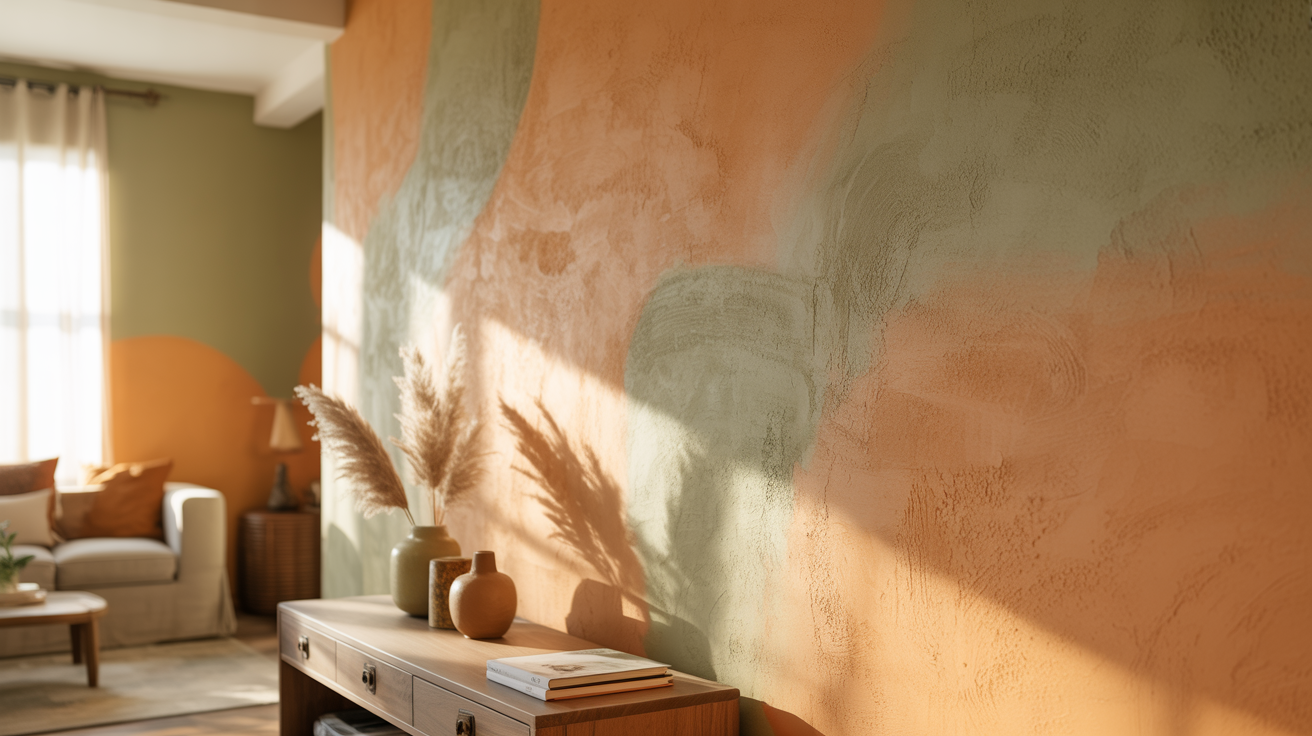
Specialty finishes deliver looks you can’t achieve with standard paint or wood. They cost more because they require specific skills or premium materials.
- Limewash: $12–$18 per sq. ft., Creates soft matte texture with natural depth and movement.
- Brick Veneer: $20–$30 per sq. ft., Thin brick pieces add industrial character and warmth.
- Upholstered / 3D Panels: $25–$40 per sq. ft., Fabric or sculptural panels absorb sound and add luxury.
Limewash delivers old-world European charm. But it can’t be cleaned aggressively, and spills and marks show. Brick veneer lasts forever and adds real structural weight. Installation requires masonry skills, though.
Upholstered panels cost the most, but they dampen noise in home offices and media rooms. They look like a high-end hotel. A 100 square foot wall runs $1,200-$4,000, depending on finish.
How to Budget for Your Accent Wall
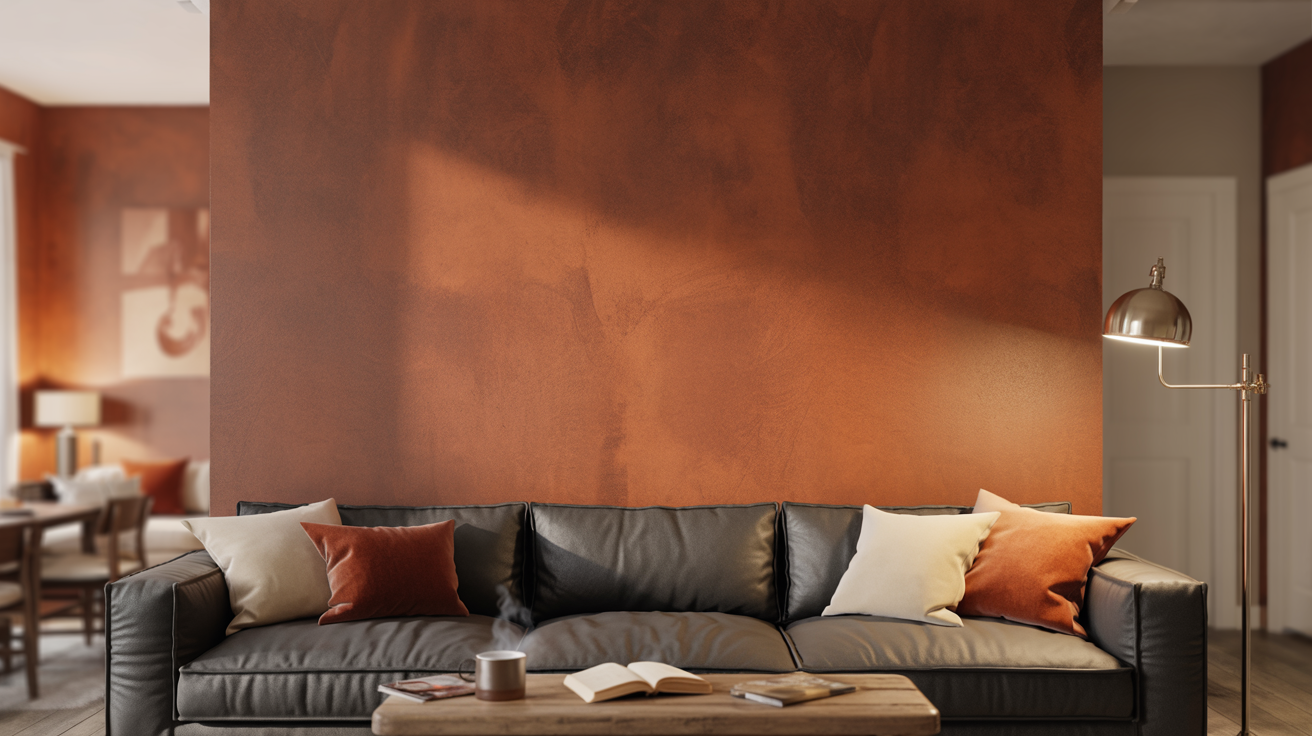
Planning your budget prevents mid-project surprises. Most people underestimate by 30-40% because they forget the extras. I’ll show you how to budget realistically.
- Plan for everything: Your budget needs materials, labor, and finishing costs like primer, caulk, and touch-up paint. Add them up, then add 20% more for mistakes and waste, so if you have $1,000 total, plan for an $800 project.
- Cheap installers cost more: I’ve seen $600 wood slat jobs where spacing varied by half an inch, and gaps showed drywall, the whole thing came down within a month, and another client repainted three times without primer before calling me to strip and redo everything properly at triple the original cost.
- Know your limits: DIY saves 40-60% on labor but risks crooked lines and wasted materials. Paint and basic board and batten work for most people, but complex patterns like herringbone or precision wood slats need professionals because the $600 you save gets eaten by mistakes and do-overs.
Tips for Maximizing Value
Smart choices give you the most impact for your money. Value isn’t about being cheap, as it’s about getting results that last. These tips stretch your budget without sacrificing quality.
- Pick durable materials: Board and batten or shiplap costs more upfront than paint, but lasts 20+ years without touch-ups, paint needs refreshing every 5-7 years at $400-$700 each time, so wood actually costs less over a decade while delivering better visual impact.
- Location and lighting matter: An accent wall in a dark hallway wastes money because no one sees it. Put your budget toward walls in main living areas with good natural or artificial light, where the feature gets noticed and appreciated daily.
- Change plan: Choose materials you can repaint or restain instead of replacing. Wood trim can shift from white to charcoal in one weekend with new paint, but replacing installed brick veneer or 3D panels costs thousands when your style changes in five years.
Conclusion
You know the accent wall cost now for every option. Paint runs cheapest, wallpaper and wood sit in the middle, and tile or stone costs more but lasts forever. Factor in your DIY skills versus hiring help, and you’ve got a real budget to work with.
No more guessing or sticker shock. You can plan your dream wall knowing exactly what you’ll spend and where to save if needed.
Got questions about your specific wall or material choice? Leave a comment, and I’ll help you sort it out. Share this breakdown with friends planning their own accent walls. And if you’re ready to pick a design, check out our posts on wood trim styles and color ideas. Your dream wall is affordable, so let’s make it happen.
Frequently asked questions
How much does it cost to paint an accent wall?
DIY paint runs $30-$75 for a standard bedroom wall, including paint, primer, tape, and supplies. Professional painters charge $150-$400, depending on wall size and prep needed. Specialty finishes like ombre or stripes add $100-$300. Paint is the cheapest accent wall option and easiest to change later.
What’s the average cost of a wood accent wall?
Shiplap or wood slat walls cost $300-$800 for materials on a standard wall. Add $200-$600 for professional installation. Reclaimed wood runs $500-$1,500 depending on quality. Wood trim designs (board and batten) cost $200-$600 for materials. DIY cuts costs significantly but requires tools and carpentry skills.
Is peel-and-stick wallpaper cheaper than traditional wallpaper for an accent wall?
Peel-and-stick costs $30-$150 per roll (covers 28-30 square feet) and installs easily, as most people DIY it. Traditional wallpaper costs similarly but needs paste and experience, adding $200-$500 for professional installation. Peel-and-stick is cheaper overall, renter-friendly, and removable. Both look great when installed correctly.
How much does a stone or brick accent wall cost?
Real stone veneer costs $1,500-$4,000 installed for a standard wall, as materials run $10-$25 per square foot plus $15-$30 for labor. Faux stone panels cost $500-$1,500 and are DIY-friendly. Exposed brick (if existing) costs $300-$800 to clean and seal. Stone delivers luxury but costs significantly more than other options.
What hidden costs should I expect when creating an accent wall?
Wall prep (patching, sanding, priming) adds $50-$200. Tools you don’t own cost $50-$150 to buy or rent. Trim, outlets, and baseboards may need painting, add $30-$100. Delivery fees for heavy materials run $50-$150. Mistakes waste materials. Budget 15-20% extra for unexpected expenses and fixes.