Tired of the same old running bond brick pattern everywhere? Brick doesn’t have to be boring. Different laying patterns can completely change how a wall looks, adding texture and visual interest that standard layouts just can’t match.
This article showcases specific brick patterns that create impact, from classic herringbone to modern stacked designs.
You’ll see what each pattern looks like, where it works best, and what skill level you need to install it. We also cover cost differences and how pattern choice affects both indoor and outdoor walls.
These patterns are proven designs used by actual masons and builders. We’re not inventing new layouts. We’re showing you established techniques that deliver real results when executed properly.
If you’re planning an accent wall, a fireplace surround, or an exterior project, you’ll find patterns that change your brickwork.
Common Wall Brick Patterns
I’m going to walk you through the most popular brick patterns you’ll see in homes and buildings. Each pattern has specific strengths, weaknesses, and best uses.
Stretcher Bond
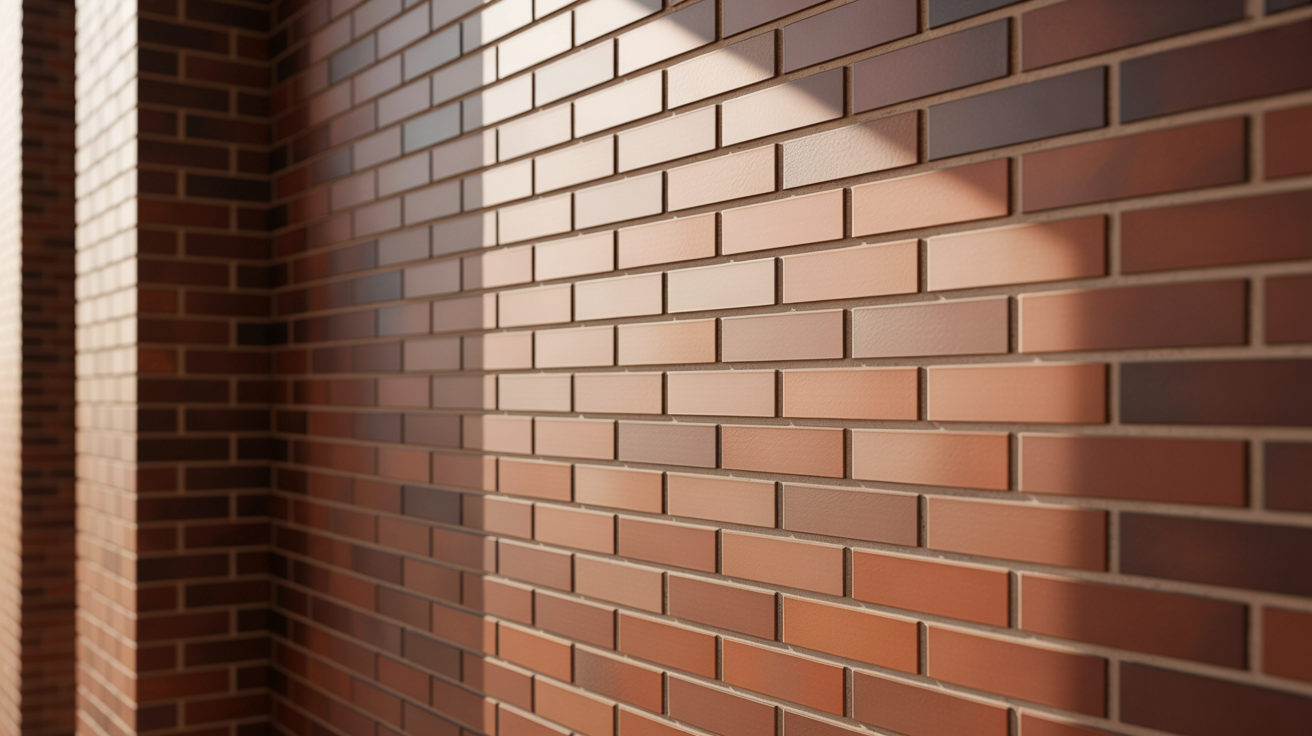
This pattern shows only the long side of bricks in horizontal rows, with each brick centered over the joint below.
You’ll see stretcher bond everywhere because it’s the simplest and most common pattern for modern construction.
Stretcher bond is cost-effective and easy to install, making it ideal for DIY projects and budget-conscious builds.
It offers moderate strength for most residential walls, though it’s not the strongest option available for heavy load-bearing applications.
Header Bond
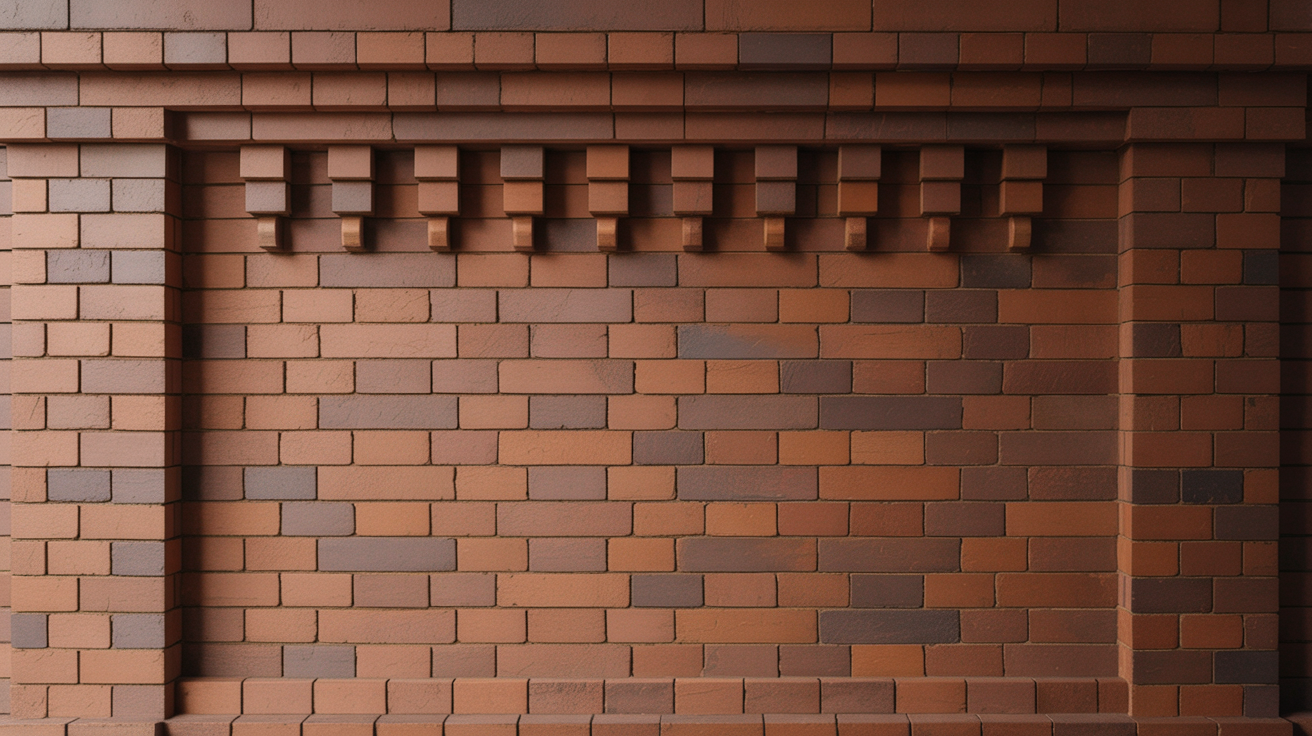
Header bond displays only the short ends of bricks facing outward in every course. This pattern appears less frequently in modern construction but shows up in decorative walls and garden features.
The pattern creates an interesting visual texture with its repetitive short brick ends. However, it uses more bricks than stretcher bond for the same wall area, increasing material costs and installation time significantly.
English Bond
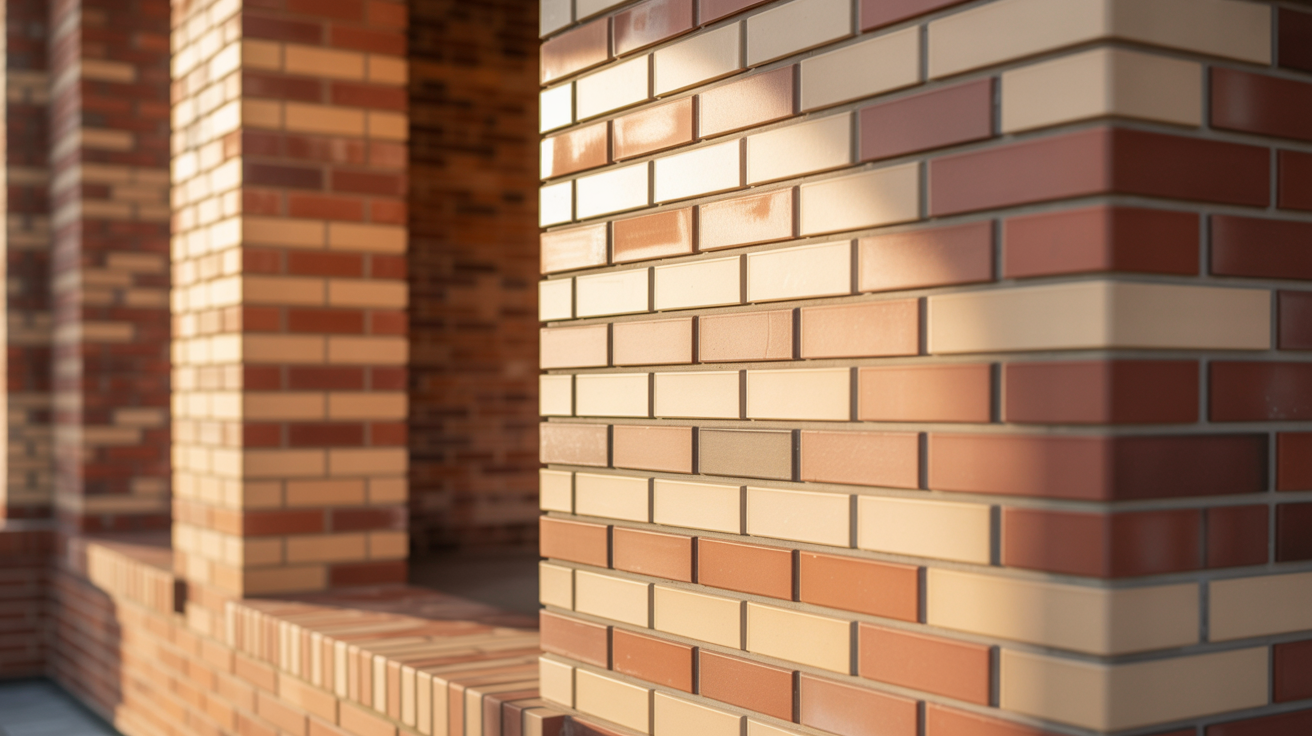
English bond alternates entire courses of headers with entire courses of stretchers throughout the wall. This creates a distinctive checkerboard appearance when viewed from the side.
This is the strongest brick bond pattern for structural walls that need to carry heavy loads. Builders historically used English bond for bridges, foundation walls, and multi-story houses because of its superior strength and stability.
Flemish Bond
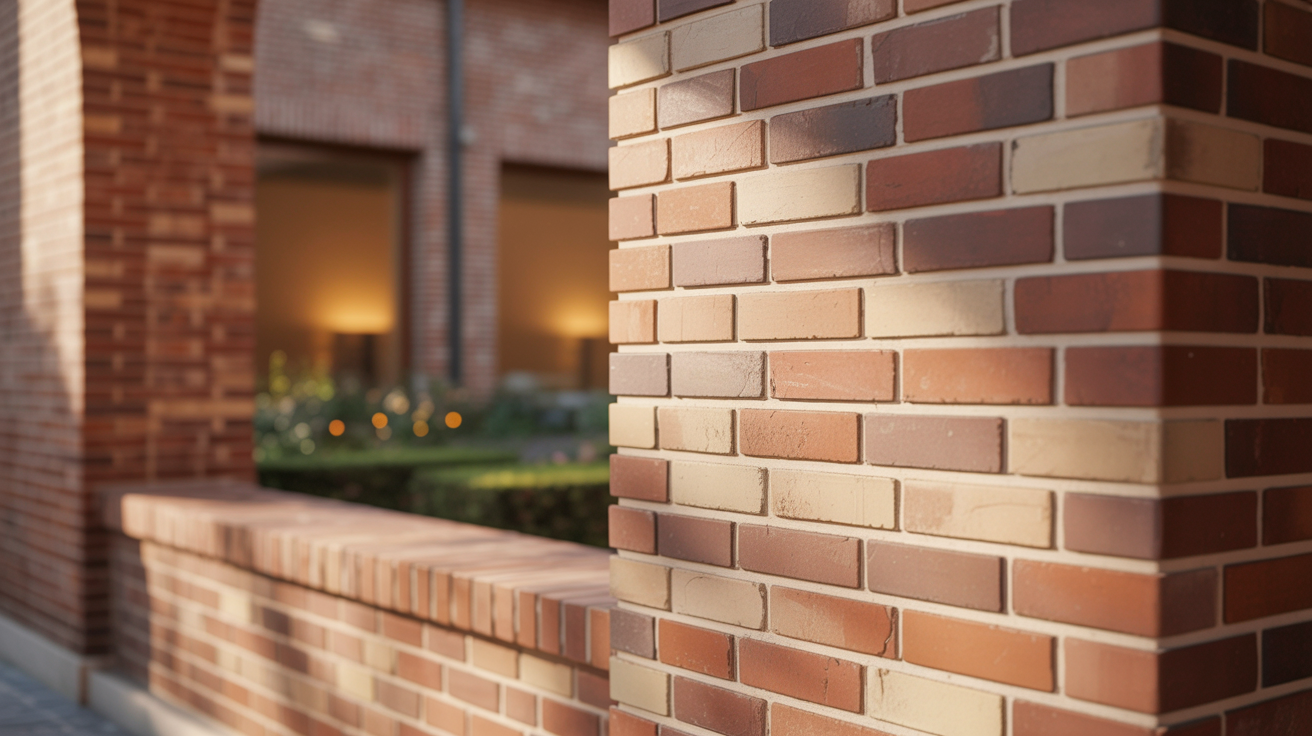
Flemish bond alternates headers and stretchers within every single course across the wall. This creates an attractive, regular pattern that’s been popular for centuries in high-end construction.
The pattern focuses on aesthetic appeal rather than maximum strength. You’ll find Flemish bond in classic homes, upscale buildings, and structures where appearance matters as much as function and durability.
Stack Bond
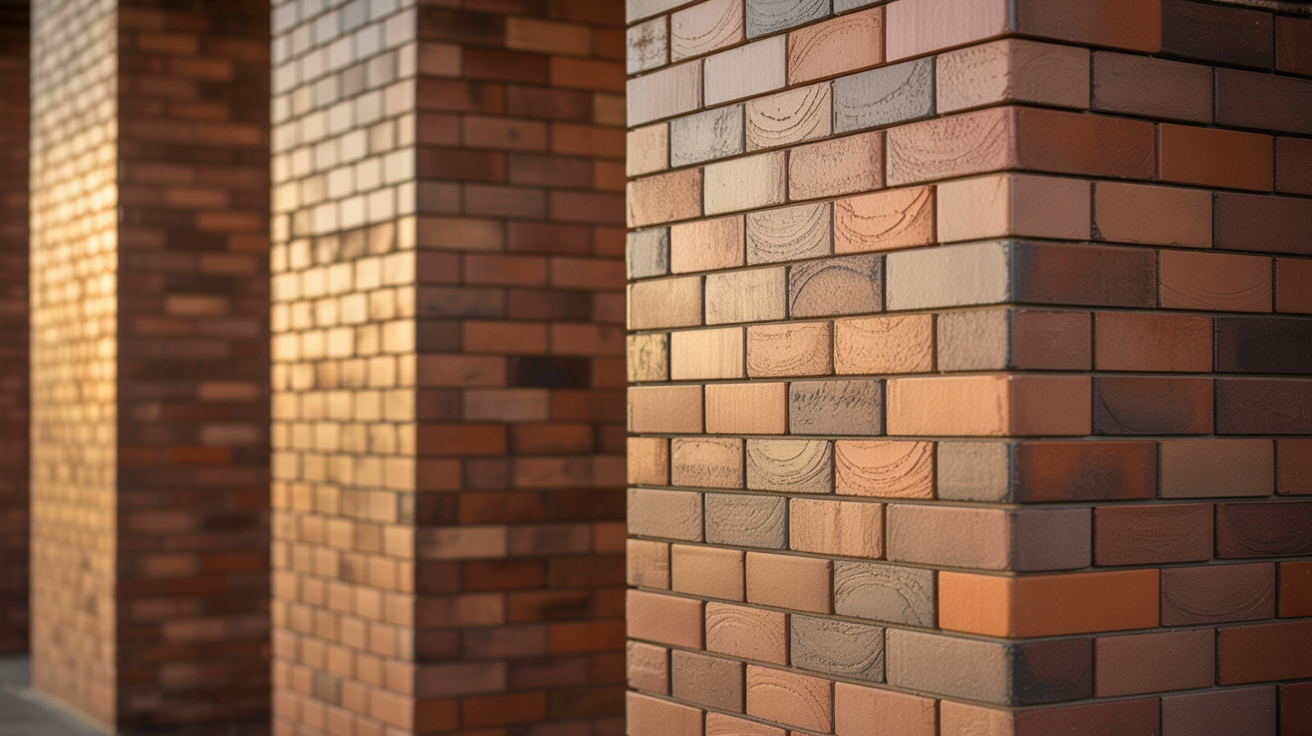
Stack bond aligns bricks directly on top of each other with no offset, creating ideally vertical and horizontal lines. This modern pattern delivers bold, clean geometric appeal.
Stack bond is mainly decorative and not recommended for load-bearing walls. The aligned vertical joints create weak points that can’t distribute weight properly, so use this pattern only for accent walls and non-structural applications.
Garden Wall Bonds (English & Flemish)
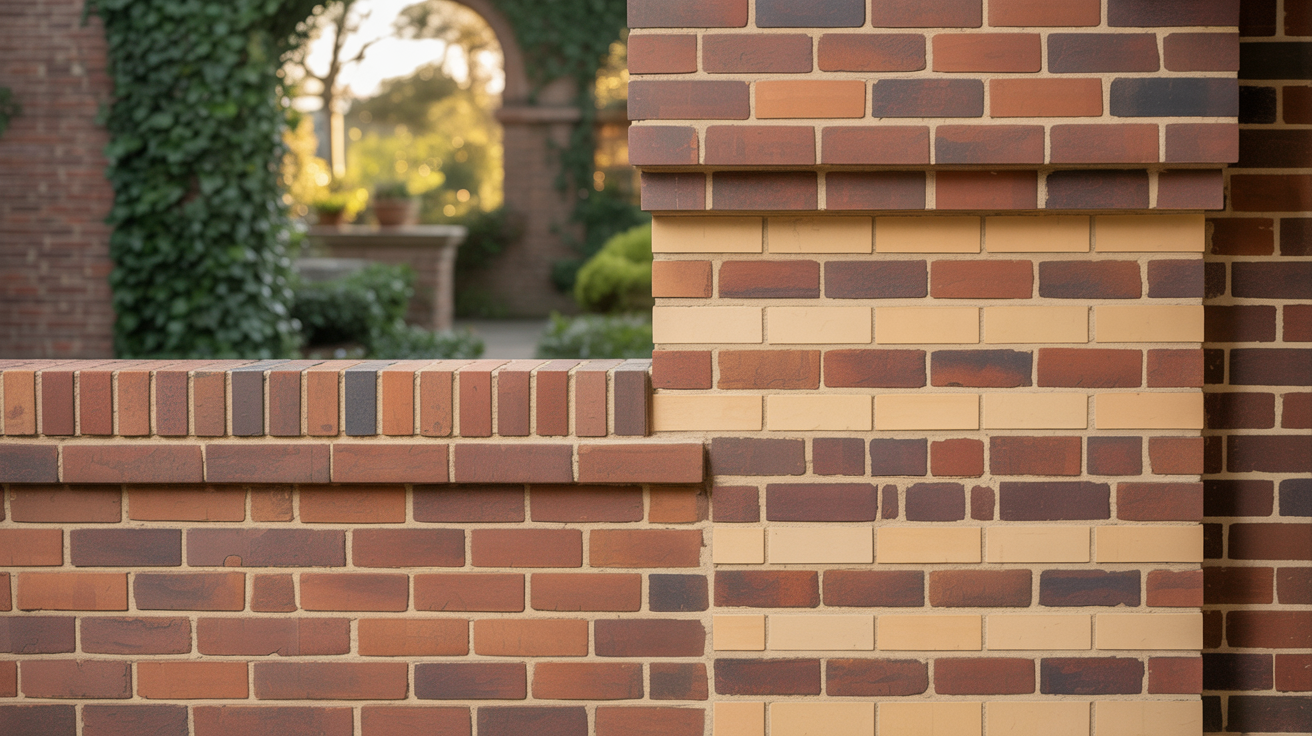
Garden wall bonds use specific ratios of headers to stretchers to save materials while maintaining decent strength. An English garden wall typically shows three stretcher courses between each header course.
These patterns originated in garden and boundary walls, where full strength wasn’t necessary. They balance decorative appearance with functional needs, using fewer bricks than traditional English or Flemish bonds while still providing adequate stability.
American Bond (Common Bond)
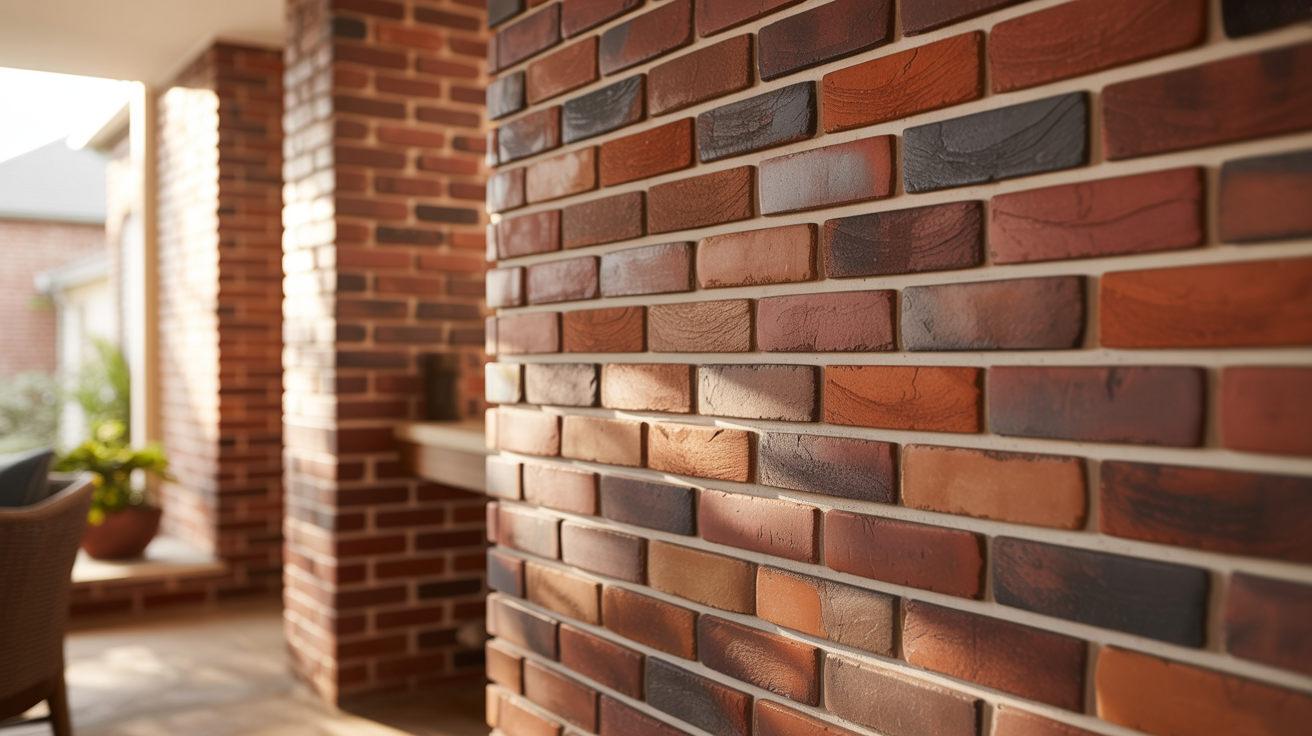
American bond features five to seven courses of stretchers between each course of headers throughout the wall. This practical pattern became popular across America for its efficiency and balanced performance.
The pattern balances strength, material efficiency, and attractive appearance in one design. It’s stronger than pure stretcher bond but uses fewer bricks than English bond, making it economical for residential construction nationwide.
Creative and Modern Applications of Wall Brick Patterns
I’m excited to show you how brick patterns work in contemporary spaces beyond traditional construction. These creative applications add character and personality to modern homes.
Accent Walls
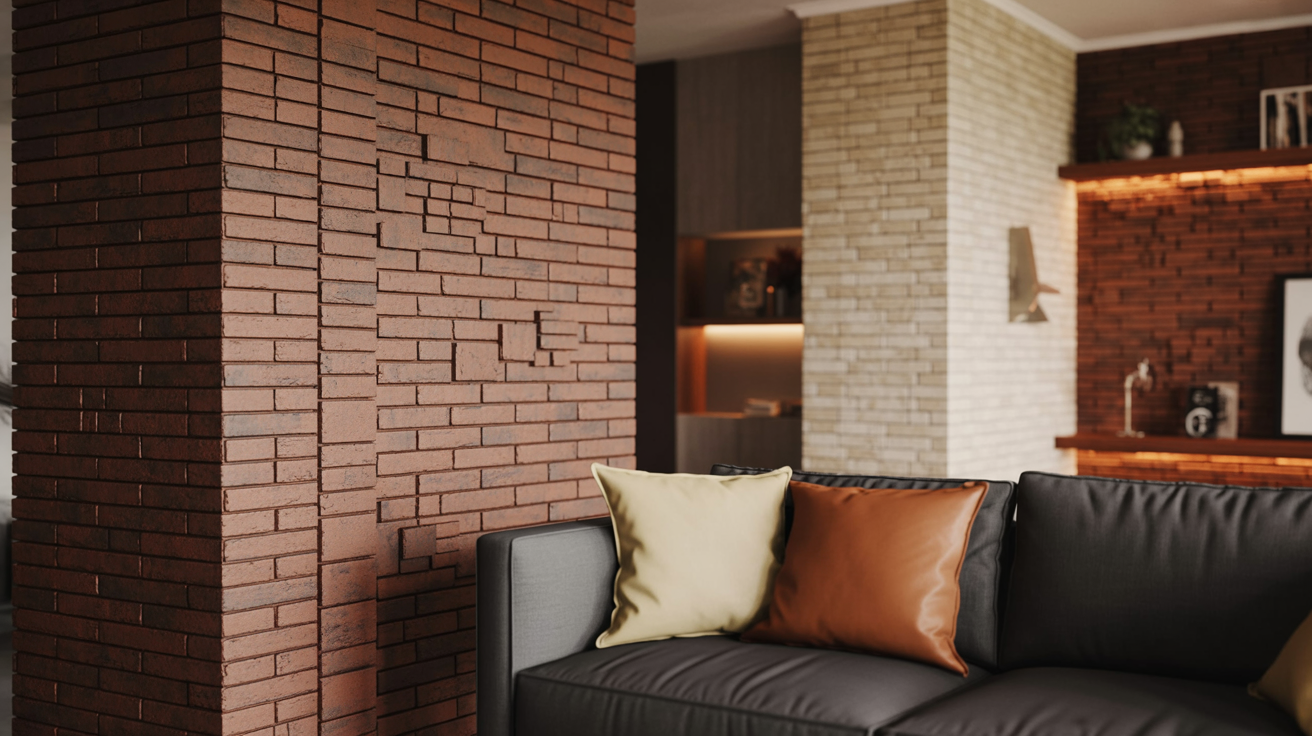
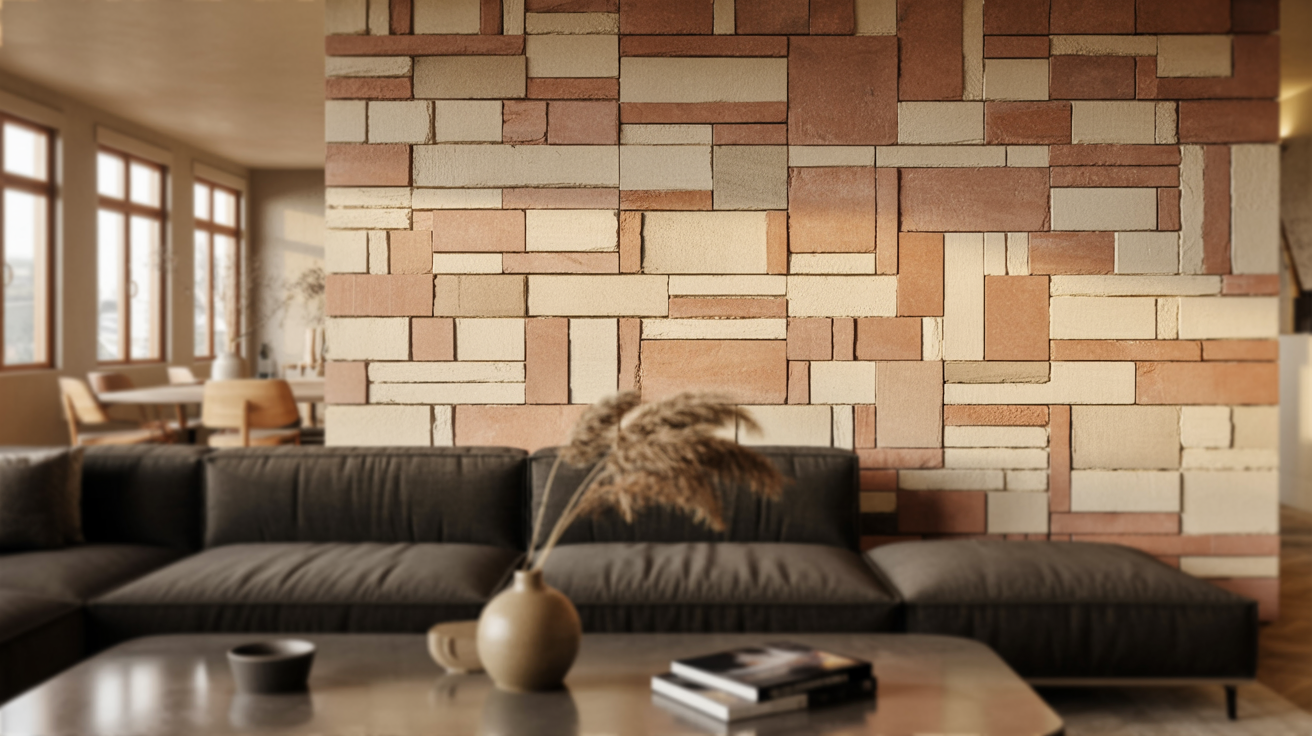
change your living room, bedroom, or home office with a single brick pattern accent wall. This bold design choice creates an instant focal point without overwhelming your entire space.
Mix different brick textures and colors within your chosen pattern for added visual interest. Try white-painted brick in a herringbone pattern, or combine natural red brick with black mortar for dramatic contrast that draws every eye.
Fireplaces and Feature Walls
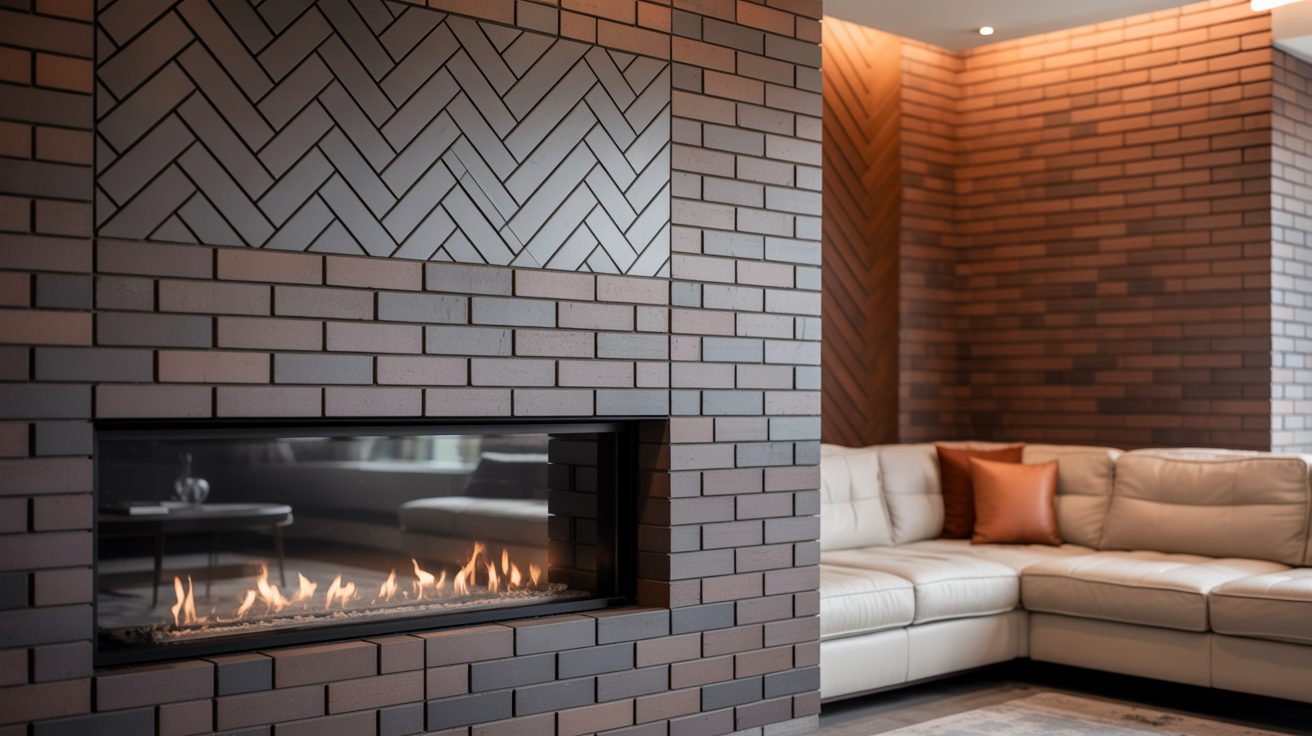
Brick patterns naturally improve the appearance of fireplaces and feature walls by adding texture and dimension to existing focal points.
Herringbone or basketweave patterns make your fireplace surround stand out as architectural art.
Combine brick patterns with other materials like wood mantels, stone hearths, or metal accents for a layered design.
The contrast between rough brick texture and smooth materials creates depth that flat walls simply can’t achieve.
Exterior Walls and Facades
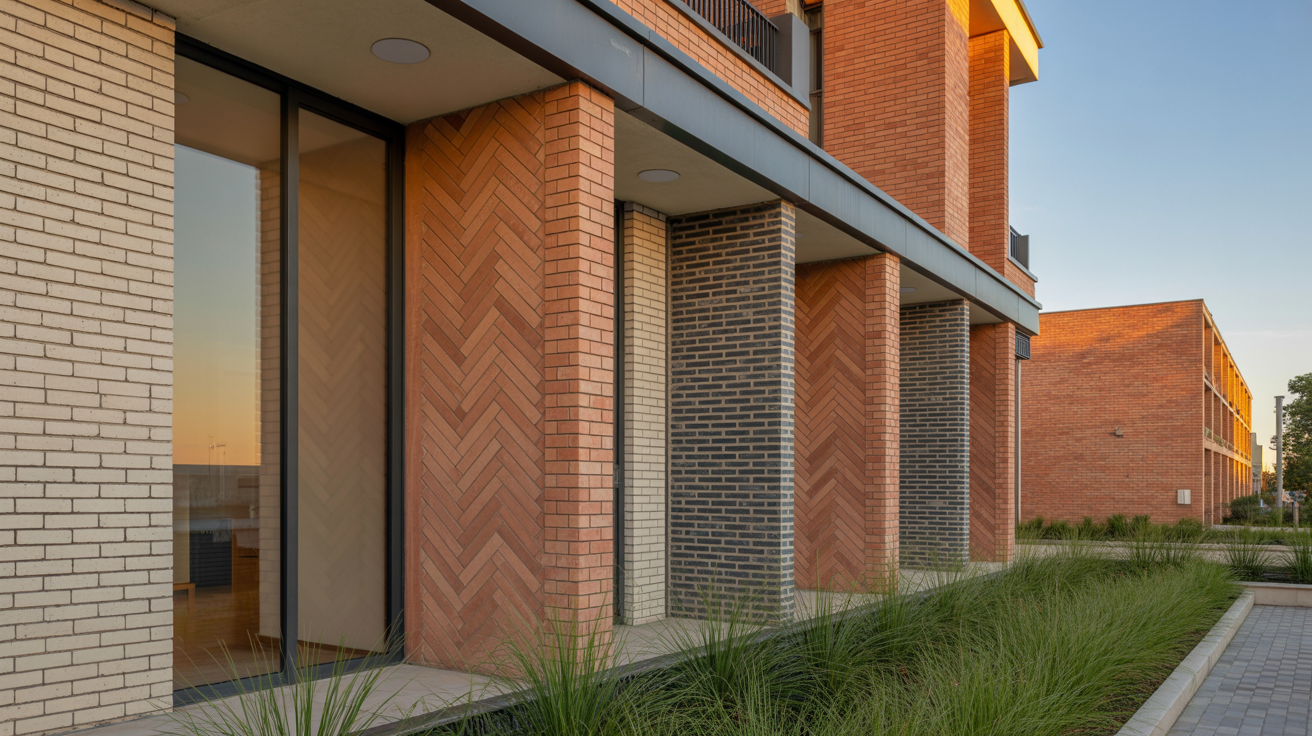
Use different brick patterns on your exterior to highlight specific architectural elements like entryways, gables, or corner sections. This strategic placement draws attention to your home’s best features.
Alternate between horizontal running bond on main walls and vertical stack bond on corner towers to create height perception.
Mix Flemish bond around windows with stretcher bond elsewhere to emphasize openings and add visual rhythm to plain facades.
Indoor Decorative Uses
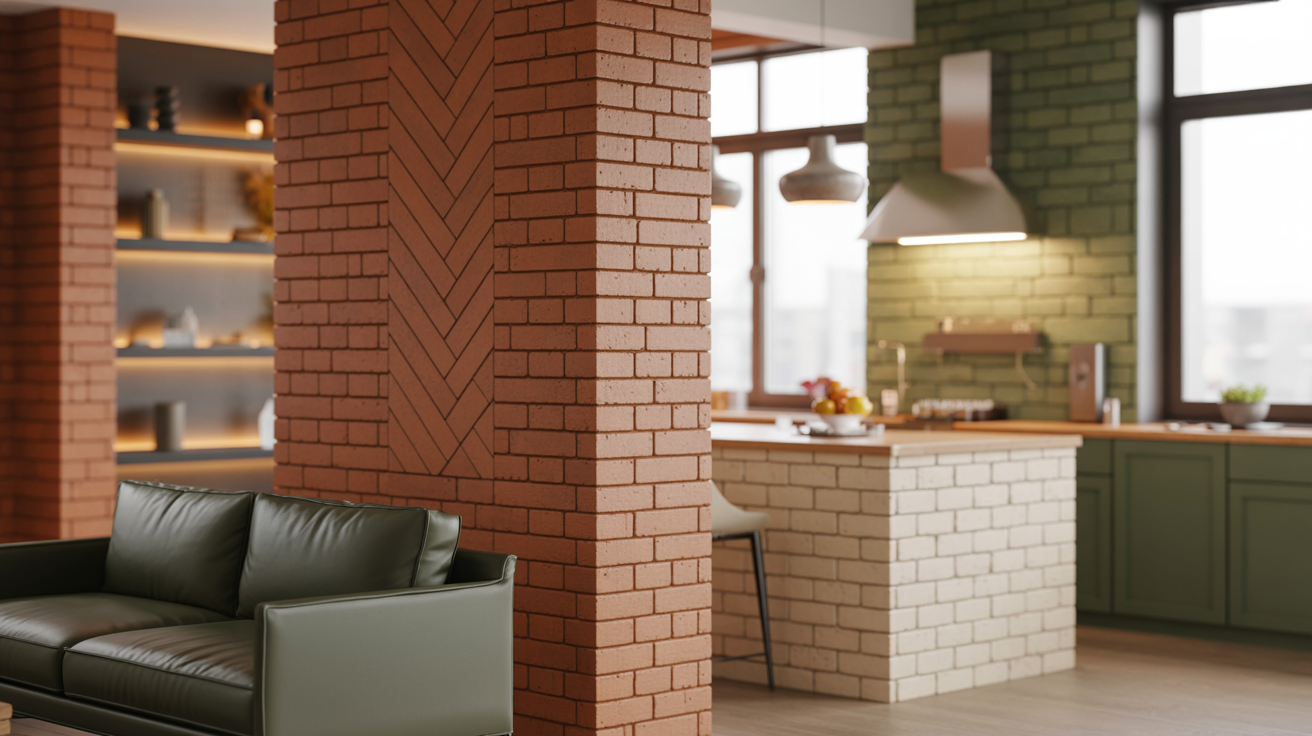
Brick patterns work beautifully in kitchens as backsplashes, in loft-style interiors as room dividers, or throughout industrial-themed spaces. These unexpected applications bring warmth and character to modern minimalist designs.
Incorporate painted brick in soft colors like white, gray, or sage green for contemporary appeal. Combine different patterns in open-concept spaces, running bond in the kitchen, herringbone in the dining area, to define zones without building actual walls between them.
Combining Patterns for Unique Effects
I’m going to show you how mixing different brick patterns creates fantastic visual effects.
|
Pattern Combination |
Description |
Best Applications |
Design Tips |
|
Borders and Insets |
Use contrasting patterns to create frames or highlights around windows, doors, or specific wall sections. |
Entryways, fireplace surrounds, and window frames |
Choose running bond for main walls with herringbone or basketweave borders for visual separation |
|
Feature Sections |
Draw attention to specific parts of a wall using distinct patterns that stand out from the surrounding areas |
Alcoves, niches, behind built-in shelving, headboard walls |
Use simpler patterns like stretcher bond for large areas, and save complex patterns like Flemish bond for featured sections |
|
Transition Areas |
Create gradual changes between different patterns in large open spaces to define zones without hard divisions |
Open-concept living areas, long hallways, and commercial spaces |
Blend patterns at natural breaking points like columns or ceiling changes, maintaining consistent mortar color throughout |
Choosing the Right Wall Brick Pattern
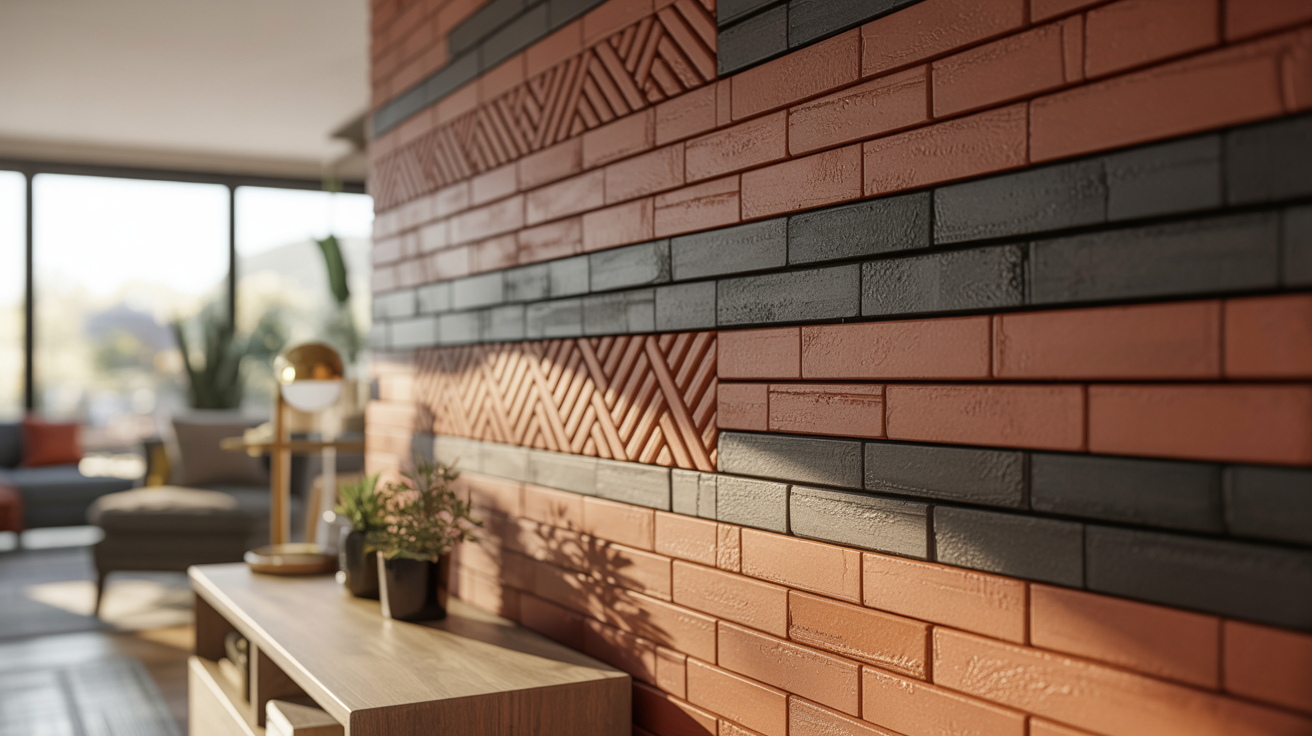
I want you to pick the ideal pattern for your specific situation. The right choice depends on more than just appearance, as it affects cost, maintenance, and how well it fits your home.
- Space and Layout Considerations: Match your brick pattern to your wall size, orientation, and room function for the best results. Large patterns like stacked bond work beautifully on expansive walls, while intricate herringbone suits smaller accent areas better for maximum visual impact.
- Budget Constraints: Simple patterns like running bond cost significantly less in both materials and labor than complex designs. Herringbone and basketweave require more cutting, precise placement, and skilled labor that increases your total project cost by 30-50% compared to basic patterns.
- DIY vs Professional Installation: Running bond and stacked bond are DIY-friendly since they’re straightforward to install with basic tools. Leave intricate patterns like Flemish bond or diagonal herringbone to experienced masons unless you have advanced skills and patience for detailed, time-consuming work.
- Architectural Compatibility: Harmonize your brick pattern with your home’s overall style for a cohesive look that improves the appearance of value. Running bond and Flemish bond suit traditional homes, while stacked bond fits modern architecture, and rustic styles pair well with irregular mixed patterns.
- Maintenance Requirements: Different patterns require varying levels of upkeep over time, affecting long-term costs and effort. Running bond distributes stress evenly and needs minimal maintenance, while a stacked bond with aligned vertical joints may develop issues faster and requires more frequent mortar inspection and repointing.
Tips for Successful Installation
I’m going to share the crucial steps that separate amateur brickwork from professional results. These tips prevent costly mistakes and ensure your pattern looks ideal.
- Prepare the Wall Surface: Clean your wall thoroughly, removing dirt, dust, and loose material. Check that the surface is level and plumb, repair uneven spots with mortar, and let everything dry completely before installing bricks.
- Align Bricks Precisely: Use string lines and a laser level to keep courses ideally straight and maintain pattern consistency. Measure and mark your pattern layout before applying mortar, double-check alignment after every few courses, and use spacers for consistent joint widths.
- Avoid Common Mistakes: Don’t rush mortar drying time between courses, or your wall will bow under the weight. Never skip the string line, even for small sections, as avoiding mixing too much mortar at once, and step back frequently to check your pattern from a distance.
Conclusion
Wall brick patterns are a powerful way to add character, texture, and visual interest to any space. From timeless running bond to eye-catching herringbone and modern stacked designs, you now have a range of inspiring options to upgrade your home’s interior or exterior.
The pattern you choose sets the entire mood of your space. If you want classic style, contemporary edge, or rustic charm, there’s a brick layout that brings your vision to life.
It’s time to move beyond plain walls and create something truly special. Talk to your mason or contractor about which wall brick patterns work best for your project, and don’t hesitate to mix things up. What’s your favorite pattern from our list? Drop a comment and let us know. Your input might inspire someone else’s next project.
Frequently Asked Questions
What are the most popular wall brick patterns?
Running bond, stacked bond, herringbone, basketweave, and Flemish bond are the most popular. Running bond is classic and versatile, while herringbone creates dynamic visual interest. Stacked bond offers modern simplicity, basketweave adds texture, and Flemish bond provides a traditional, refined look with alternating headers and stretchers.
Which brick pattern is strongest for walls?
Running bond is the strongest pattern for structural walls due to overlapping joints that distribute weight evenly. Flemish and English bonds also offer excellent strength. Stacked bond, while visually striking, is the weakest structurally as vertical joints align, making it better for accent walls than load-bearing structures.
How do different brick patterns affect room appearance?
Horizontal patterns like running bond make rooms feel wider, while vertical stacked patterns add height. Herringbone and basketweave create movement and energy. Diagonal patterns draw the eye and add drama. Pattern choice impacts perceived space size, style, and overall ambiance significantly.
Can I use multiple brick patterns on one wall?
Yes, mixing patterns creates unique focal points and visual interest. Combine running bond with herringbone accents, or use stacked bond borders around traditional patterns. Ensure transitions are intentional and balanced. Limit to two patterns maximum to avoid overwhelming the space and maintain cohesion.
Are certain brick patterns better for interior accent walls?
Herringbone, basketweave, and stacked bond work beautifully for interior accent walls, offering bold visual impact without structural requirements. These patterns add texture and personality to living rooms, bedrooms, and dining areas. Choose based on desired aesthetic, modern, traditional, or eclectic styling preferences.
Find out creative wall brick patterns that add style and personality to any space. Bold designs to change your walls instantly.
Creative Wall Brick Patterns That Make a Bold Statement
Tired of the same old running bond brick pattern everywhere? Brick doesn’t have to be boring. Different laying patterns can completely change how a wall looks, adding texture and visual interest that standard layouts just can’t match.
This article showcases specific brick patterns that create impact, from classic herringbone to modern stacked designs.
You’ll see what each pattern looks like, where it works best, and what skill level you need to install it. We also cover cost differences and how pattern choice affects both indoor and outdoor walls.
These patterns are proven designs used by actual masons and builders. We’re not inventing new layouts. We’re showing you established techniques that deliver real results when executed properly.
If you’re planning an accent wall, a fireplace surround, or an exterior project, you’ll find patterns that change your brickwork.
Common Wall Brick Patterns
I’m going to walk you through the most popular brick patterns you’ll see in homes and buildings. Each pattern has specific strengths, weaknesses, and best uses.
Stretcher Bond
This pattern shows only the long side of bricks in horizontal rows, with each brick centered over the joint below.
You’ll see stretcher bond everywhere because it’s the simplest and most common pattern for modern construction.
Stretcher bond is cost-effective and easy to install, making it ideal for DIY projects and budget-conscious builds.
It offers moderate strength for most residential walls, though it’s not the strongest option available for heavy load-bearing applications.
Header Bond
Header bond displays only the short ends of bricks facing outward in every course. This pattern appears less frequently in modern construction but shows up in decorative walls and garden features.
The pattern creates an interesting visual texture with its repetitive short brick ends. However, it uses more bricks than stretcher bond for the same wall area, increasing material costs and installation time significantly.
English Bond
English bond alternates entire courses of headers with entire courses of stretchers throughout the wall. This creates a distinctive checkerboard appearance when viewed from the side.
This is the strongest brick bond pattern for structural walls that need to carry heavy loads. Builders historically used English bond for bridges, foundation walls, and multi-story houses because of its superior strength and stability.
Flemish Bond
Flemish bond alternates headers and stretchers within every single course across the wall. This creates an attractive, regular pattern that’s been popular for centuries in high-end construction.
The pattern focuses on aesthetic appeal rather than maximum strength. You’ll find Flemish bond in classic homes, upscale buildings, and structures where appearance matters as much as function and durability.
Stack Bond
Stack bond aligns bricks directly on top of each other with no offset, creating ideally vertical and horizontal lines. This modern pattern delivers bold, clean geometric appeal.
Stack bond is mainly decorative and not recommended for load-bearing walls. The aligned vertical joints create weak points that can’t distribute weight properly, so use this pattern only for accent walls and non-structural applications.
Garden Wall Bonds (English & Flemish)
Garden wall bonds use specific ratios of headers to stretchers to save materials while maintaining decent strength. An English garden wall typically shows three stretcher courses between each header course.
These patterns originated in garden and boundary walls, where full strength wasn’t necessary. They balance decorative appearance with functional needs, using fewer bricks than traditional English or Flemish bonds while still providing adequate stability.
American Bond (Common Bond)
American bond features five to seven courses of stretchers between each course of headers throughout the wall. This practical pattern became popular across America for its efficiency and balanced performance.
The pattern balances strength, material efficiency, and attractive appearance in one design. It’s stronger than pure stretcher bond but uses fewer bricks than English bond, making it economical for residential construction nationwide.
Creative and Modern Applications of Wall Brick Patterns
I’m excited to show you how brick patterns work in contemporary spaces beyond traditional construction. These creative applications add character and personality to modern homes.
Accent Walls
change your living room, bedroom, or home office with a single brick pattern accent wall. This bold design choice creates an instant focal point without overwhelming your entire space.
Mix different brick textures and colors within your chosen pattern for added visual interest. Try white-painted brick in a herringbone pattern, or combine natural red brick with black mortar for dramatic contrast that draws every eye.
Fireplaces and Feature Walls
Brick patterns naturally improve the appearance of fireplaces and feature walls by adding texture and dimension to existing focal points.
Herringbone or basketweave patterns make your fireplace surround stand out as architectural art.
Combine brick patterns with other materials like wood mantels, stone hearths, or metal accents for a layered design.
The contrast between rough brick texture and smooth materials creates depth that flat walls simply can’t achieve.
Exterior Walls and Facades
Use different brick patterns on your exterior to highlight specific architectural elements like entryways, gables, or corner sections. This strategic placement draws attention to your home’s best features.
Alternate between horizontal running bond on main walls and vertical stack bond on corner towers to create height perception.
Mix Flemish bond around windows with stretcher bond elsewhere to emphasize openings and add visual rhythm to plain facades.
Indoor Decorative Uses
Brick patterns work beautifully in kitchens as backsplashes, in loft-style interiors as room dividers, or throughout industrial-themed spaces. These unexpected applications bring warmth and character to modern minimalist designs.
Incorporate painted brick in soft colors like white, gray, or sage green for contemporary appeal. Combine different patterns in open-concept spaces, running bond in the kitchen, herringbone in the dining area, to define zones without building actual walls between them.
Combining Patterns for Unique Effects
I’m going to show you how mixing different brick patterns creates fantastic visual effects.
|
Pattern Combination |
Description |
Best Applications |
Design Tips |
|
Borders and Insets |
Use contrasting patterns to create frames or highlights around windows, doors, or specific wall sections. |
Entryways, fireplace surrounds, and window frames |
Choose running bond for main walls with herringbone or basketweave borders for visual separation |
|
Feature Sections |
Draw attention to specific parts of a wall using distinct patterns that stand out from the surrounding areas |
Alcoves, niches, behind built-in shelving, headboard walls |
Use simpler patterns like stretcher bond for large areas, and save complex patterns like Flemish bond for featured sections |
|
Transition Areas |
Create gradual changes between different patterns in large open spaces to define zones without hard divisions |
Open-concept living areas, long hallways, and commercial spaces |
Blend patterns at natural breaking points like columns or ceiling changes, maintaining consistent mortar color throughout |
Choosing the Right Wall Brick Pattern
I want you to pick the ideal pattern for your specific situation. The right choice depends on more than just appearance, as it affects cost, maintenance, and how well it fits your home.
- Space and Layout Considerations: Match your brick pattern to your wall size, orientation, and room function for the best results. Large patterns like stacked bond work beautifully on expansive walls, while intricate herringbone suits smaller accent areas better for maximum visual impact.
- Budget Constraints: Simple patterns like running bond cost significantly less in both materials and labor than complex designs. Herringbone and basketweave require more cutting, precise placement, and skilled labor that increases your total project cost by 30-50% compared to basic patterns.
- DIY vs Professional Installation: Running bond and stacked bond are DIY-friendly since they’re straightforward to install with basic tools. Leave intricate patterns like Flemish bond or diagonal herringbone to experienced masons unless you have advanced skills and patience for detailed, time-consuming work.
- Architectural Compatibility: Harmonize your brick pattern with your home’s overall style for a cohesive look that improves the appearance of value. Running bond and Flemish bond suit traditional homes, while stacked bond fits modern architecture, and rustic styles pair well with irregular mixed patterns.
- Maintenance Requirements: Different patterns require varying levels of upkeep over time, affecting long-term costs and effort. Running bond distributes stress evenly and needs minimal maintenance, while a stacked bond with aligned vertical joints may develop issues faster and requires more frequent mortar inspection and repointing.
Tips for Successful Installation
I’m going to share the crucial steps that separate amateur brickwork from professional results. These tips prevent costly mistakes and ensure your pattern looks ideal.
- Prepare the Wall Surface: Clean your wall thoroughly, removing dirt, dust, and loose material. Check that the surface is level and plumb, repair uneven spots with mortar, and let everything dry completely before installing bricks.
- Align Bricks Precisely: Use string lines and a laser level to keep courses ideally straight and maintain pattern consistency. Measure and mark your pattern layout before applying mortar, double-check alignment after every few courses, and use spacers for consistent joint widths.
- Avoid Common Mistakes: Don’t rush mortar drying time between courses, or your wall will bow under the weight. Never skip the string line, even for small sections, as avoiding mixing too much mortar at once, and step back frequently to check your pattern from a distance.
Conclusion
Wall brick patterns are a powerful way to add character, texture, and visual interest to any space. From timeless running bond to eye-catching herringbone and modern stacked designs, you now have a range of inspiring options to upgrade your home’s interior or exterior.
The pattern you choose sets the entire mood of your space. If you want classic style, contemporary edge, or rustic charm, there’s a brick layout that brings your vision to life.
It’s time to move beyond plain walls and create something truly special. Talk to your mason or contractor about which wall brick patterns work best for your project, and don’t hesitate to mix things up. What’s your favorite pattern from our list? Drop a comment and let us know. Your input might inspire someone else’s next project.
Frequently Asked Questions
What are the most popular wall brick patterns?
Running bond, stacked bond, herringbone, basketweave, and Flemish bond are the most popular. Running bond is classic and versatile, while herringbone creates dynamic visual interest. Stacked bond offers modern simplicity, basketweave adds texture, and Flemish bond provides a traditional, refined look with alternating headers and stretchers.
Which brick pattern is strongest for walls?
Running bond is the strongest pattern for structural walls due to overlapping joints that distribute weight evenly. Flemish and English bonds also offer excellent strength. Stacked bond, while visually striking, is the weakest structurally as vertical joints align, making it better for accent walls than load-bearing structures.
How do different brick patterns affect room appearance?
Horizontal patterns like running bond make rooms feel wider, while vertical stacked patterns add height. Herringbone and basketweave create movement and energy. Diagonal patterns draw the eye and add drama. Pattern choice impacts perceived space size, style, and overall ambiance significantly.
Can I use multiple brick patterns on one wall?
Yes, mixing patterns creates unique focal points and visual interest. Combine running bond with herringbone accents, or use stacked bond borders around traditional patterns. Ensure transitions are intentional and balanced. Limit to two patterns maximum to avoid overwhelming the space and maintain cohesion.
Are certain brick patterns better for interior accent walls?
Herringbone, basketweave, and stacked bond work beautifully for interior accent walls, offering bold visual impact without structural requirements. These patterns add texture and personality to living rooms, bedrooms, and dining areas. Choose based on desired aesthetic, modern, traditional, or eclectic styling preferences.