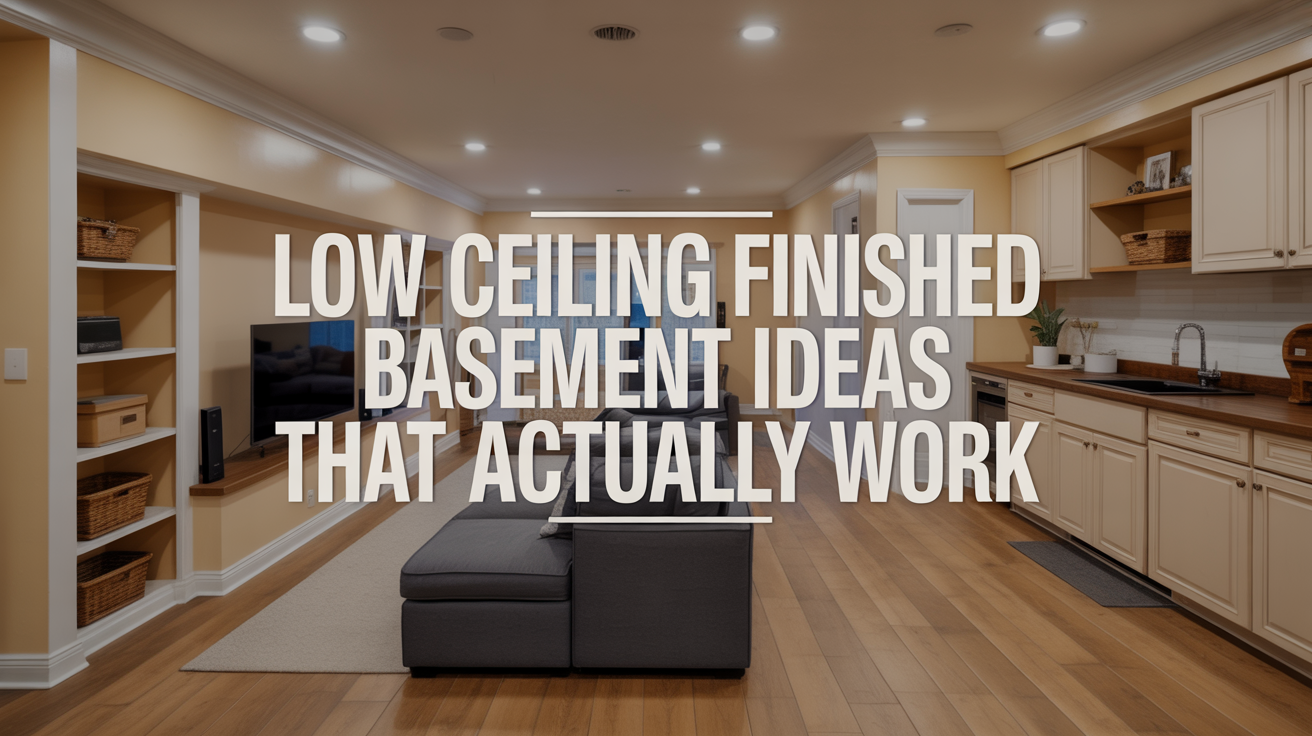
A basement can feel warm and inviting even with a low ceiling. Many people avoid finishing this space because it seems small or too dark, but it often has far more use than they expect.
With the right ideas, a low ceiling can work in your favor. Practical tips from experienced designers and builders show how smart lighting, simple layouts, and the right furniture can make the room feel open and comfortable.
This guide helps you plan a movie area, home office, workout spot, or a place to relax. Modern materials and clear design choices can turn the strongest limits of your basement into useful strengths. Let us help you make the most of the space you already have.
Low Ceiling Basement Ideas That Make Space Feel Bigger
Low ceilings don’t have to make your basement feel cramped. These smart design tricks use color, lighting, and clever decor choices to create the illusion of height and openness.
Recessed Lighting Only

Skip hanging light fixtures and install recessed lighting throughout your space to keep the ceiling clear and open. This prevents anything from hanging down into your limited headspace, making the room feel taller and more spacious.
Add LED strips under shelving or in toe kicks for extra ambient light without sacrificing ceiling height. This layered lighting approach provides adequate illumination while maintaining the airy, open feeling that low ceilings often lack.
All White Everything

Paint walls, ceiling, and trim the same bright white color to create a seamless look that tricks the eye into perceiving more space.
This monochromatic approach eliminates visual breaks between surfaces, making the room feel larger and more open.
The lack of contrast makes the ceiling disappear instead of drawing attention to how low it sits. This simple painting technique is one of the most cost-effective ways to make a room with low ceilings feel more spacious and comfortable.
Dark Ceiling with Light Walls

Paint the ceiling dark gray, charcoal, or black while keeping the walls light for a counterintuitive design trick. This creates visual depth and makes the ceiling recede into the background rather than feeling oppressive.
The contrast actually makes the space feel taller by pushing the dark ceiling away from view. This bold approach works especially well in rooms with good natural light that can balance the darker overhead surface.
Low Profile Furniture Strategy

Choose sofas, chairs, and tables that sit close to the ground to maximize vertical space in your room. Low-slung furniture creates more visual breathing room between the top of your pieces and the ceiling, making the space feel less cramped.
Avoid tall bookcases, high-backed chairs, or anything that emphasizes the low ceiling height. Keeping your furniture profile low draws the eye horizontally across the room rather than vertically, which helps minimize the impact of limited overhead clearance.
Open Floor Plan Layout

Avoid dividing the basement into small rooms with walls that fragment the space. Keep it open and use furniture arrangements to define different zones instead, allowing the area to feel more spacious and functional.
Walls make low ceilings feel claustrophobic and closed in, while open space lets your eye travel farther across the room.
This creates the illusion of more square footage and makes everything feel bigger and more comfortable.
Vertical Stripe Accent Walls

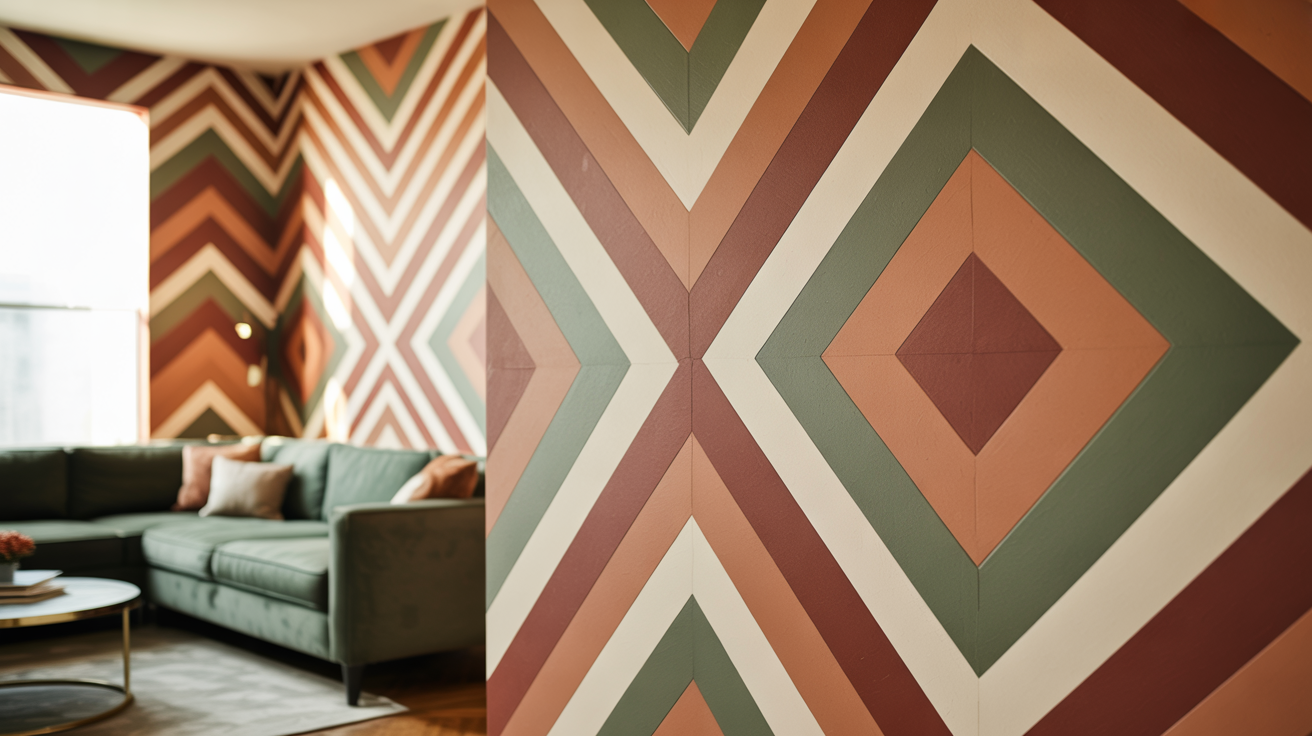
Add vertical stripes on one or two accent walls to draw the eye upward and create the illusion of height. Use paint, wallpaper, or wood slats in a vertical pattern to achieve this effect throughout your space.
This visual trick makes walls appear taller and distracts from the low ceiling above. The upward lines guide the eye vertically, making the room feel more spacious than it actually is.
Floor to Ceiling Built-Ins

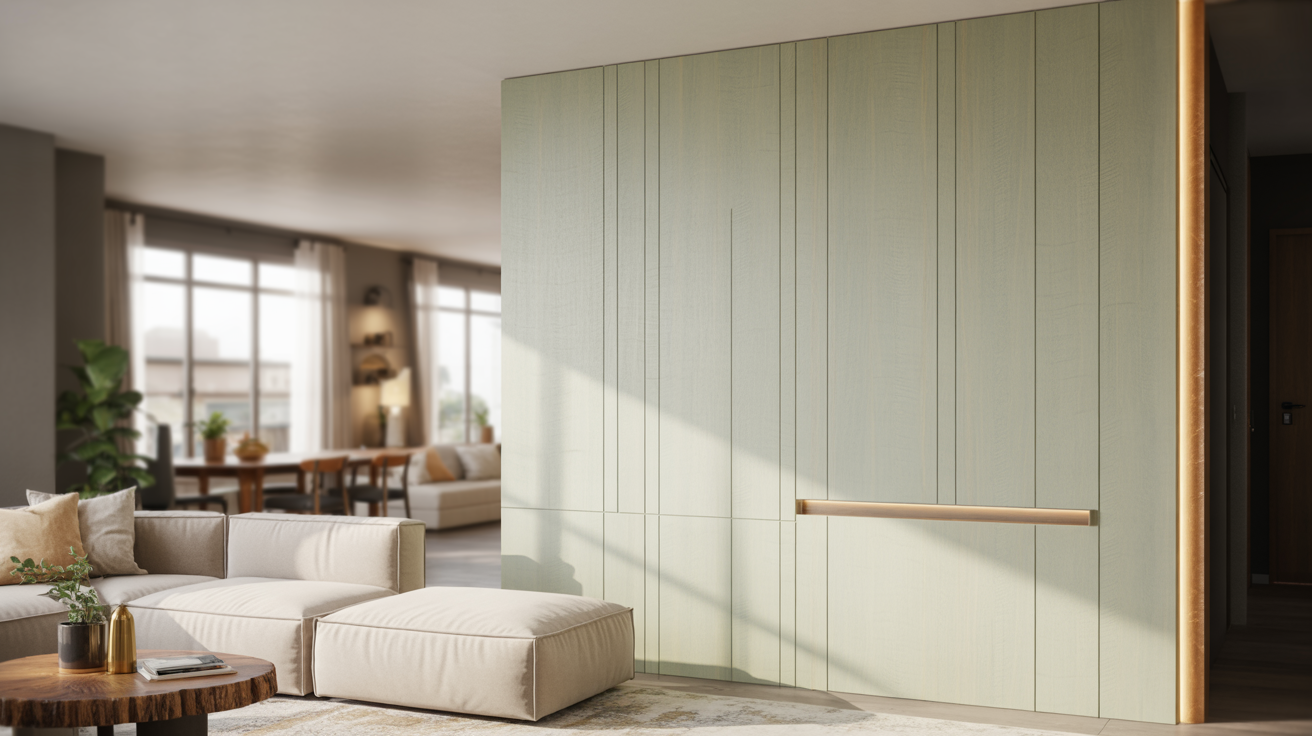
Install built-in shelving or cabinets that go all the way to the ceiling to maximize your vertical space. This draws the eye upward and uses every inch of available height.
Paint built-ins the same color as the walls to make them feel like part of the architecture. This seamless integration provides practical storage while making the room feel taller and less cluttered.
Horizontal Wood Planking

Install horizontal shiplap, wood planking, or paneling on walls to create visual width in your space. The horizontal lines make the room feel more expansive and draw the eye across rather than up toward the ceiling.
Avoid adding anything on the ceiling that draws attention to how close it sits to your head. Keep the overhead surface simple and unadorned to prevent emphasizing the limited height in your room.
Multi-Functional Entertainment Zone

Create a home theater or gaming area with low seating that works perfectly in spaces with limited overhead clearance. Bean bags, floor cushions, or reclined theater seats keep everyone comfortable while making the ceiling height less noticeable.
The seated position naturally reduces awareness of how low the ceiling sits above. These entertainment rooms actually function better with lower ceilings since they create a cozy, intimate atmosphere ideal for watching movies or gaming sessions.
Strategic Mirror Placement

Hang large mirrors on walls to reflect light and create the illusion of more space throughout your room. Position mirrors to reflect windows or light sources, which amplifies natural brightness and makes the area feel larger and more open.
Avoid placing mirrors on the ceiling, which draws attention to the problem you’re trying to solve. Keep reflective surfaces on the walls where they can bounce light around the room without emphasizing the limited overhead height.
Exposed Painted Joists

Instead of adding a drop ceiling that lowers the height further, paint exposed joists and ductwork the same dark color. This industrial approach embraces the low ceiling while adding character to your space.
Run wiring and pipes neatly along joists for a finished appearance that looks intentional. This cost-effective solution maintains every inch of ceiling height while creating a modern, loft-style aesthetic.
Built-In Bench Seating

Install built-in benches along walls for seating and storage that maximizes your floor space. This eliminates the need for bulky furniture and creates a cozy, intentional feel in rooms with limited overhead clearance.
Add cushions and pillows to make the built-in seating comfortable for watching TV or hanging out with family and friends. The low profile of bench seating works perfectly in spaces where traditional furniture might feel too tall or overwhelming.
Minimalist Kids Play Area

Design a low-ceiling basement as a kids’ playroom where height doesn’t matter as much. Kids don’t notice low ceilings the way adults do, making this an ideal use of the space.
Use bright colors, soft flooring, and low storage bins to create a functional play area. The basement becomes the perfect play zone while keeping toys out of the main living areas upstairs.
Conclusion
You now have a clear sense of what truly works in a low-ceiling basement. These methods come from real projects and show how small changes can make the space feel more open and welcoming.
Lighting makes the quickest difference, while light colors and simple vertical details guide the eye upward. Low-profile furniture also helps the room feel calm and easy to use. Using several methods together creates the best result.
Look at the whole room, not just the ceiling. Floors, furniture, and lighting all shape the final feel. Start with lighting, then add color and simple design details. With the right steps, your basement can feel comfortable and far less confined.
Frequently Asked Questions
What is the minimum ceiling height for a finished basement?
The International Residential Code requires a minimum ceiling height of 7’0″ for finished basements. Anything below this may not meet building codes. Always check with your local county building department before starting your project, as codes vary by location.
How can I make my low-ceiling basement feel taller?
Use recessed lighting instead of hanging fixtures, paint ceilings and walls the same light color, add vertical design elements like floor-to-ceiling curtains, choose low-profile furniture, and install mirrors strategically. These techniques create visual height without structural changes.
Does a finished low-ceiling basement add home value?
Yes, when done right. Beautifully designed low-ceiling basements add functional living space that increases marketability and equity. You typically recoup 60-75% of your investment. Buyers value finished basements with bonus rooms, home theaters, or offices.
What type of lighting works best for low-ceiling basements?
Recessed LED lights and flush-mount fixtures work best. They sit flush with the ceiling, taking up zero headroom while providing bright, even illumination. Add LED strips along ceiling edges for a “crown effect” and use layered lighting for dimension.
Can you finish a basement with exposed joists?
Absolutely. Remove drywall and spray paint joists, wires, and pipes white for an industrial-chic look. This approach actually gains you inches of headroom while creating a modern aesthetic. It’s becoming increasingly popular in basement renovations.