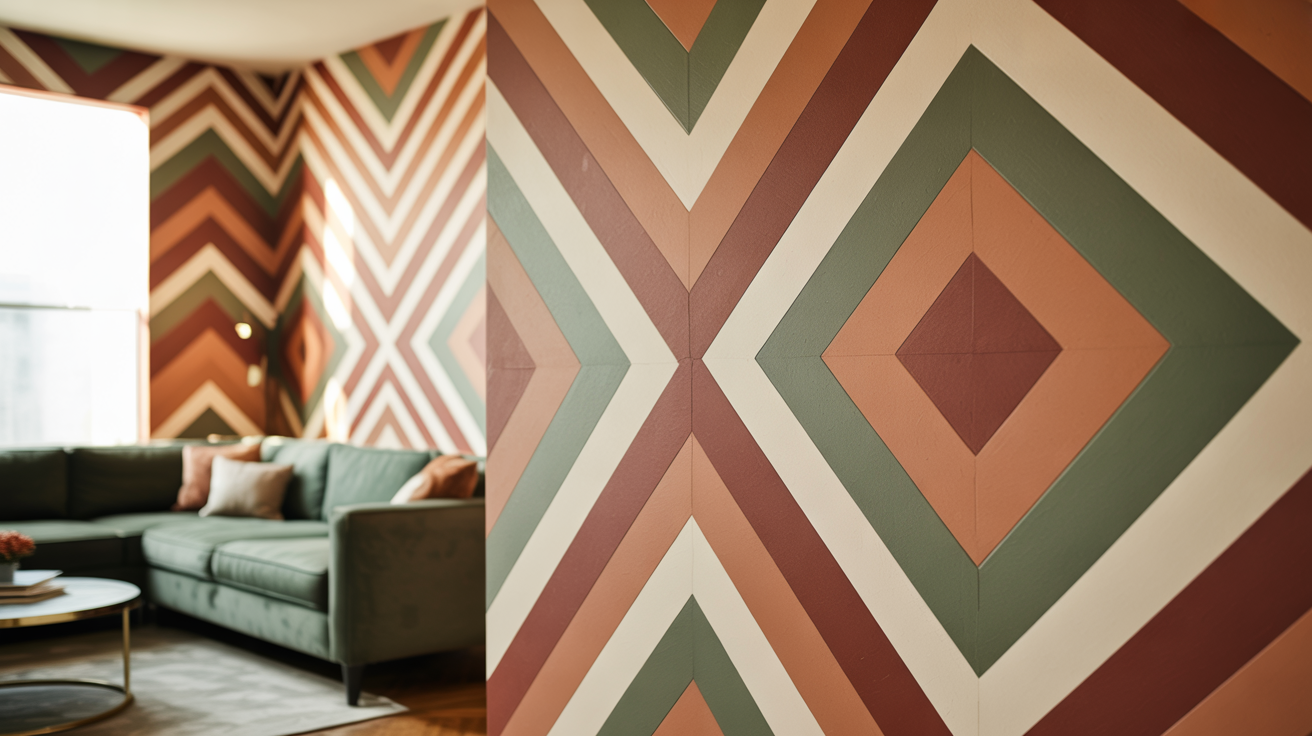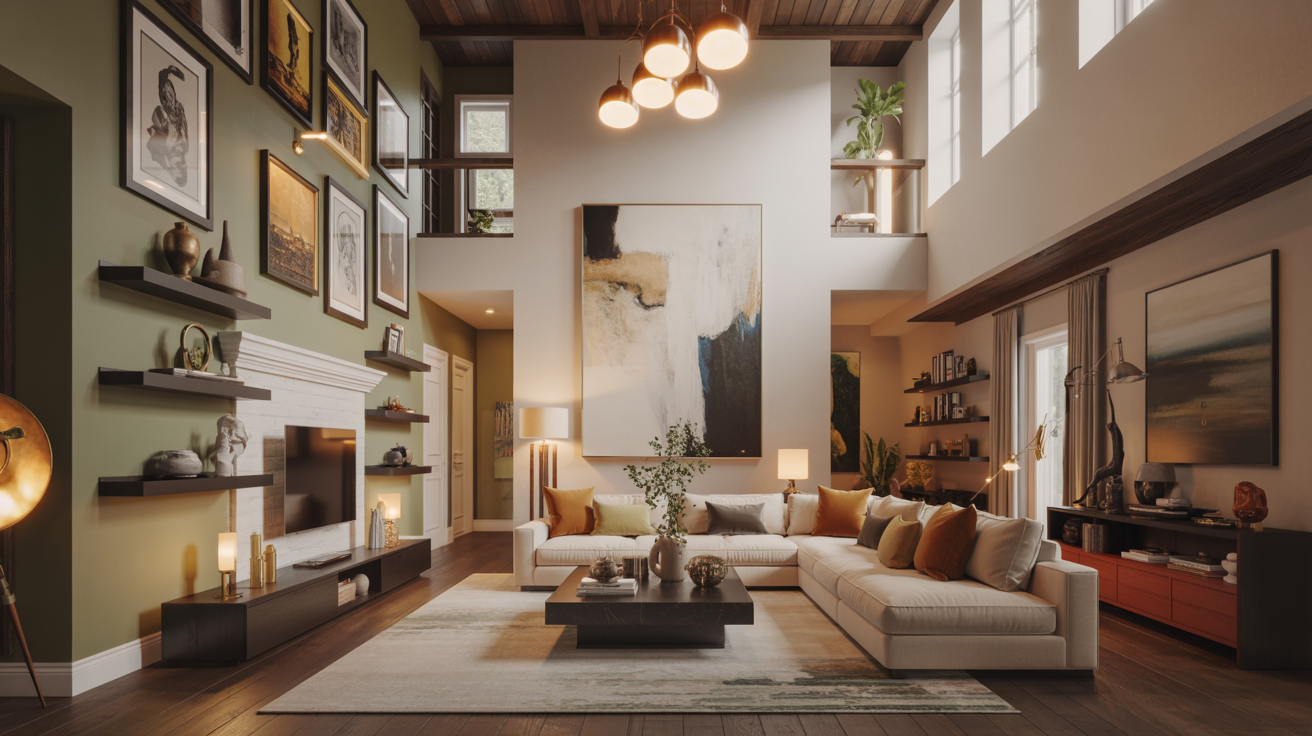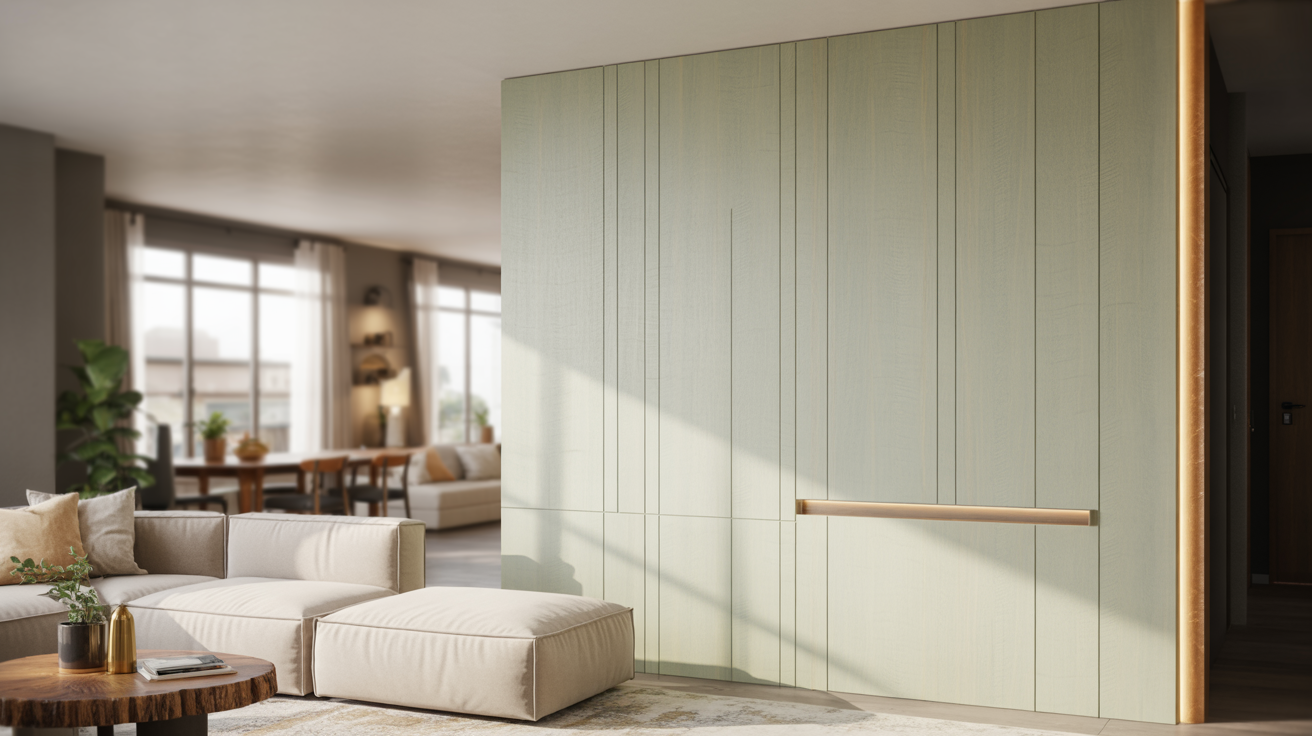
Accent walls don’t have to feel heavy or dark anymore. Light accent walls are now a popular choice for homeowners who want to brighten their spaces without painting an entire room. They make a room feel open, airy, and refreshed while adding subtle character.
You can go with soft paint colors like sage green or powder blue, or add LED lighting behind trim for a modern glow. These options give your space personality without overwhelming it, and they work in bedrooms, hallways, or living areas.
This guide shares what actually works, from picking the right shade to installing illuminated walls yourself. You’ll get practical color ideas, room-specific tips, and step-by-step guidance so even small or dark spaces can feel inviting and bright.
What Makes a Light Accent Wall Work?
Accent walls work best when they highlight a feature like a fireplace, shelves, or an alcove, giving purpose to the space.
Light colors open rooms, create focal points, and define areas, unlike dark walls that can feel heavy or choppy.
Paint all elements in the section, including trim, and choose colors that complement the room’s architecture and purpose for a polished look.
Light Paint Colors for Accent Walls
Choosing the right light color feels overwhelming when you’re staring at 50 paint chips. But it’s simpler than you think. Start with your room’s natural light and existing colors. Everything else follows from there.
Choosing the Right Light Shade
Light colors have personalities. Some feel warm and cozy. Others feel cool and crisp. Understanding undertones saves you from expensive mistakes. A “white” paint might look pink in morning light or blue in the afternoon.
Here’s the trick: Test your color at different times of day. Paint a large swatch on your wall and live with it for a week. Watch how it changes from sunrise to sunset.
Understanding Undertones in Light Colors (Warm vs. Cool)
Warm light colors have yellow, orange, or red undertones. Think cream, soft peach, or warm gray. They make rooms feel cozy and inviting. Use warm tones in north-facing rooms that get less natural light.
Cool light colors have blue, green, or purple undertones. These include true whites, powder blue, and sage green. They feel fresh and airy. Cool tones work best in south-facing rooms with lots of sunlight.
Popular Light Accent Wall Colors
Certain colors tend to work well in most homes because they feel balanced and versatile. Soft white, light gray with blue undertones, and warm beige or greige create a neutral base that suits many styles and spaces.
Pastel shades also perform well when used thoughtfully. Powder blue feels calming, sage green is highly reliable, blush pink adapts easily, and pale yellow helps brighten darker rooms.
Light Accent Wall Ideas by Room
Different rooms need different approaches. What works in your bedroom might look weird in your kitchen. Let’s break down the best light accent wall strategies, room by room.
Living Rooms
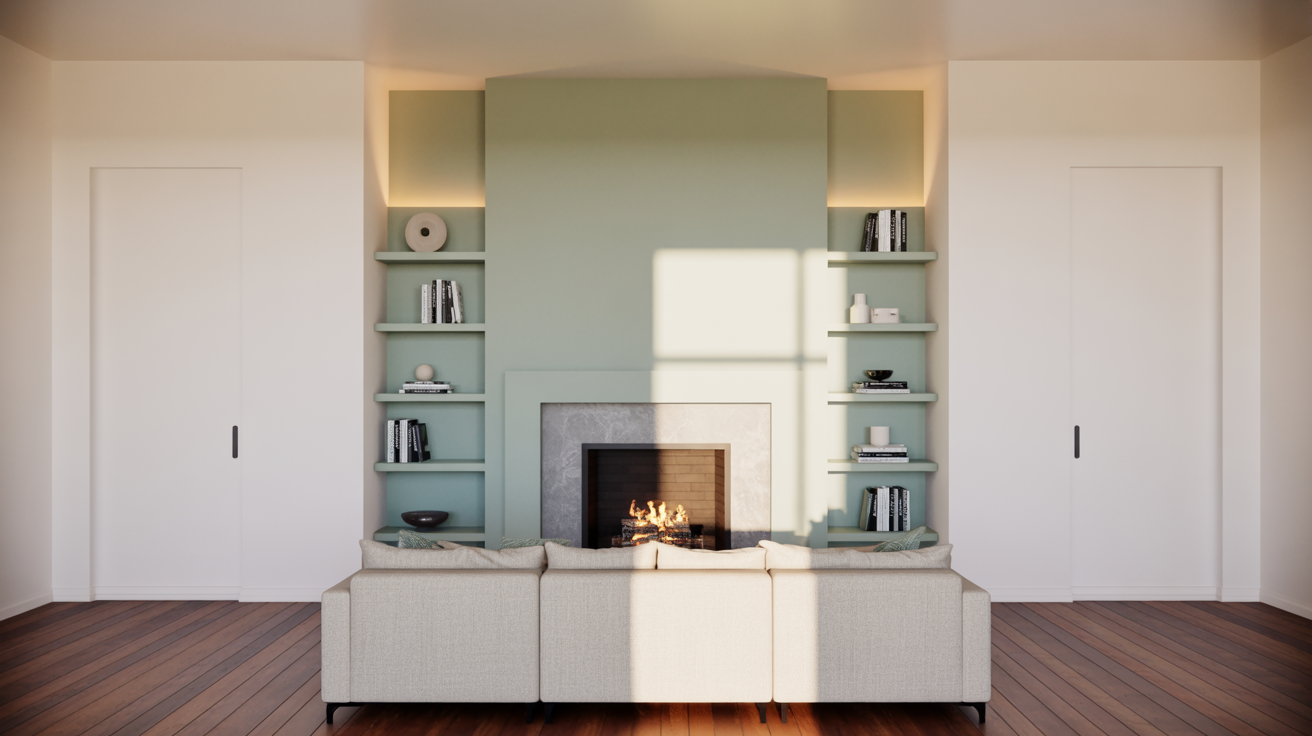
Light accent walls work especially well in living rooms by creating focal points without overpowering the space.
They highlight features like fireplaces or built-in shelves, adding depth and making decor stand out. Soft contrast keeps the room bright and welcoming.
Choosing the right shade is all about balance. Colors like powder blue and sage green create calm while still adding interest.
A tone slightly different from your main wall color gives the eye a place to rest without feeling too bold.
Bedrooms
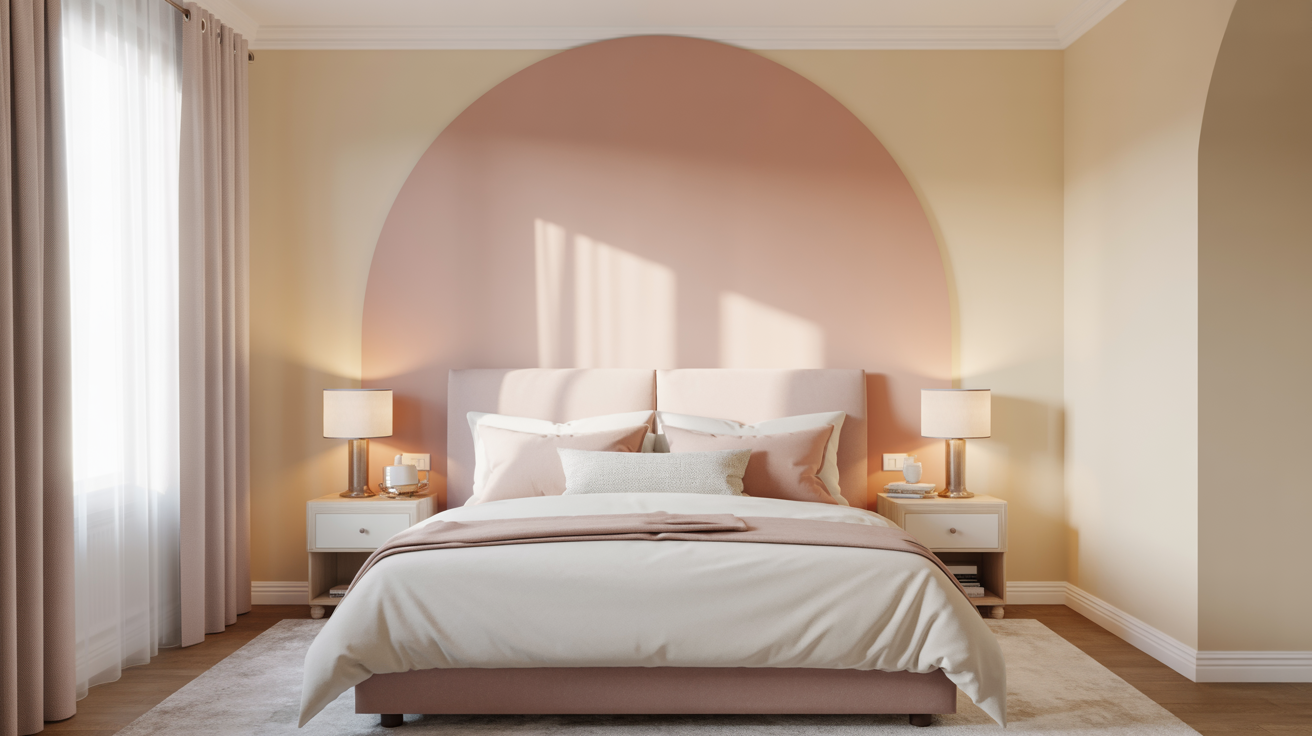
Light accent walls in bedrooms create a calm and restful atmosphere while adding gentle visual interest.
Using a soft color behind the bed can replace a headboard and help frame the sleeping area. Pastels like blush pink, powder blue, and pale lavender work especially well.
Chalky finishes and soft neutrals promote relaxation and better sleep. Light tones are ideal for smaller or low-light bedrooms and pair beautifully with wood paneling or subtle texture.
This combination adds depth without overwhelming the space.
Dining Rooms
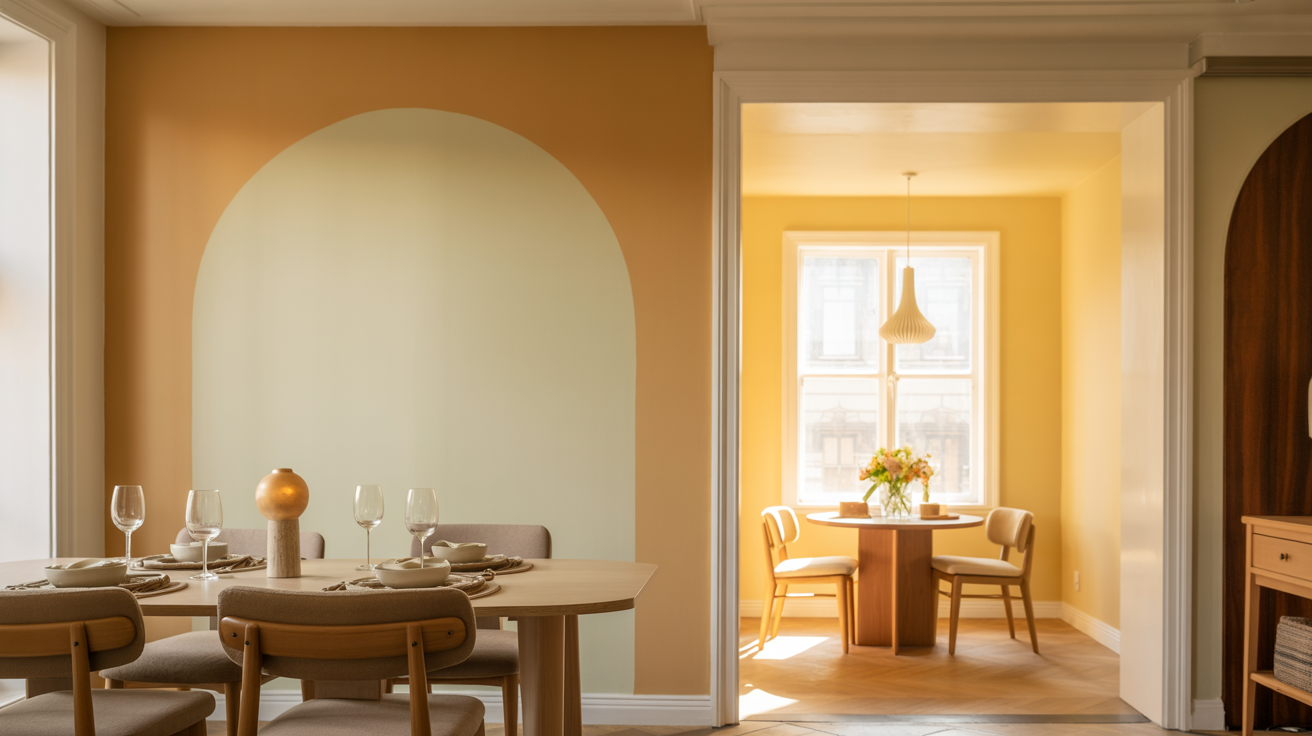
Light accent walls help dining rooms feel inviting and intentional without becoming too casual. In breakfast nooks, soft yellow or warm cream adds warmth and makes everyday meals feel special. Painting the alcove and trim creates a defined and cozy dining spot.
In open floor plans, a light accent wall behind the dining table helps define the area without adding walls.
Coordinating the wall color with cabinets or built-ins creates contrast and keeps the space bright and versatile for both daily use and gatherings.
Home Offices and Workspaces
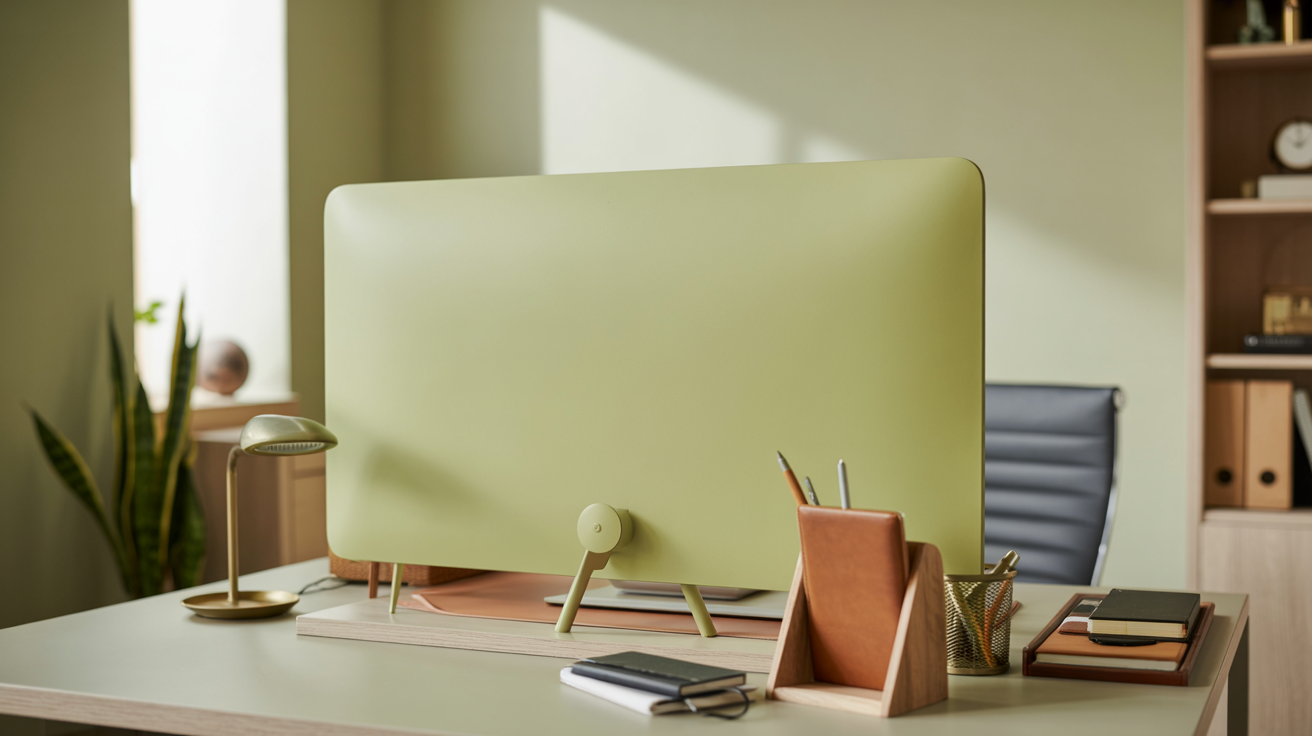
Light accent walls help home offices feel focused and energizing without becoming distracting. Colors like sage green, soft blue green, and light gray boost productivity while keeping the space open.
Placing the accent wall behind the desk gives your eyes a calm place to rest.
Light paint can also turn alcoves or niches into useful features with added shelves or storage. Avoid dark colors that absorb light and feel heavy during long work hours.
Keeping most walls light maintains balance and supports better focus.
Hallways and Transition Spaces
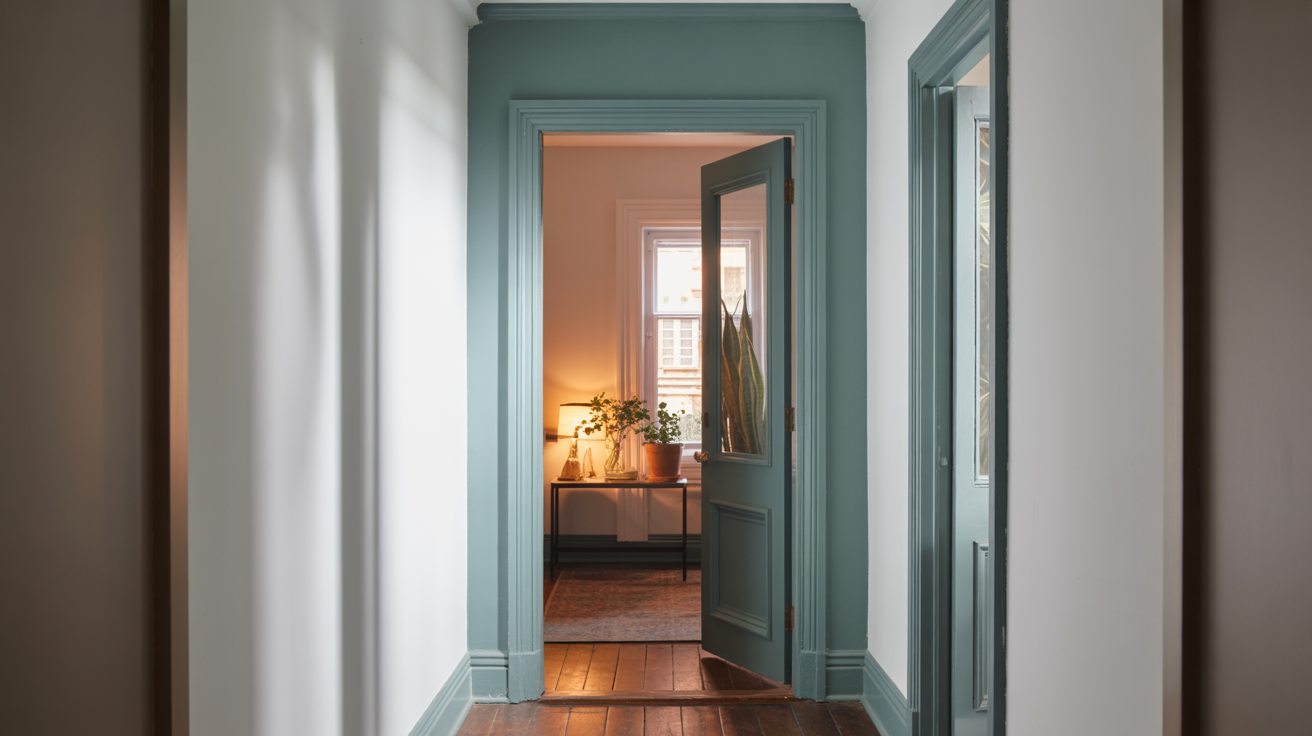
Hallways often get overlooked, but a light accent wall can turn them into inviting spaces. Painting the door and surrounding wall at the end of a hallway creates a clear focal point and draws the eye forward. Using the same color on the trim keeps the look intentional.
In narrow or windowless corridors, light colors help maintain brightness and openness. Stick to end walls or short sections to avoid making the space feel tight.
Partial wall painting, like an upper section or a horizontal band, adds interest without overwhelming the hallway.
Design Tips for Light Accent Walls
You’ve got the basics down. Now let’s talk about making your light accent wall actually look good, not just technically correct.
- Use light accent walls to highlight architectural features like fireplaces, built-ins, sloped ceilings, windows, and doorways without competing with them.
- Create purpose by defining zones in open plans, workspaces, reading nooks, or play areas using full, partial, or framed light accent walls.
- Add depth with texture such as shiplap, wood paneling, molding, or removable wood veneer over light painted walls.
- Balance light walls with darker furniture, artwork, and decor to create contrast and prevent spaces from feeling flat or sterile.
- Avoid an unfinished look by placing accent walls in obvious, intentional locations like behind beds, inside alcoves, or across entire feature walls.
Paint Finishes for Light Accent Walls
Finish affects how your color looks. The same paint in different finishes creates different moods. Choose based on your room’s purpose and lighting.
Matte Finish
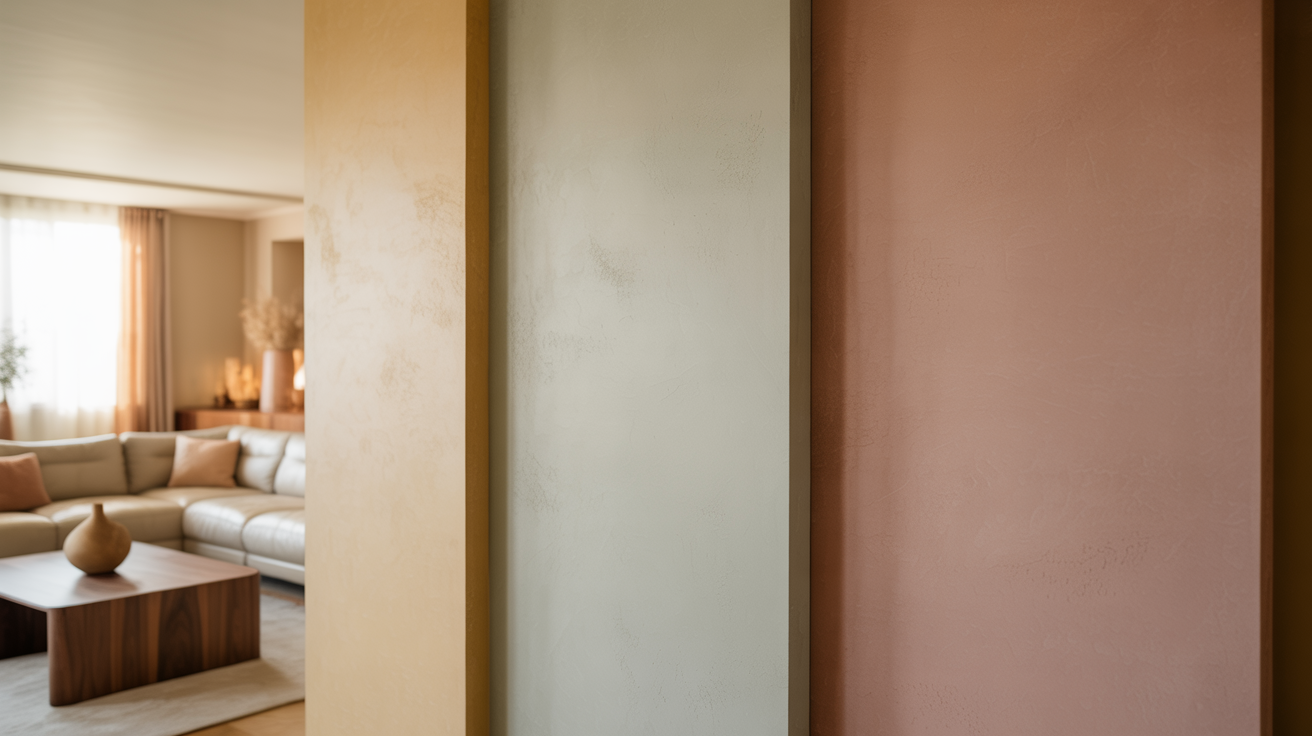
Matte finishes absorb light and create a soft, velvety look that feels cozy and intimate. They make light colors like soft gray or pale blue appear refined and calming rather than flat. Matte works best in low-traffic areas since it shows scuffs more easily.
Bedrooms and living rooms benefit most from matte paint because these spaces are meant for relaxation.
The non-reflective surface creates a calm atmosphere and pairs beautifully with pastels and light neutrals. This finish feels warm and residential rather than shiny or commercial.
Satin Finish
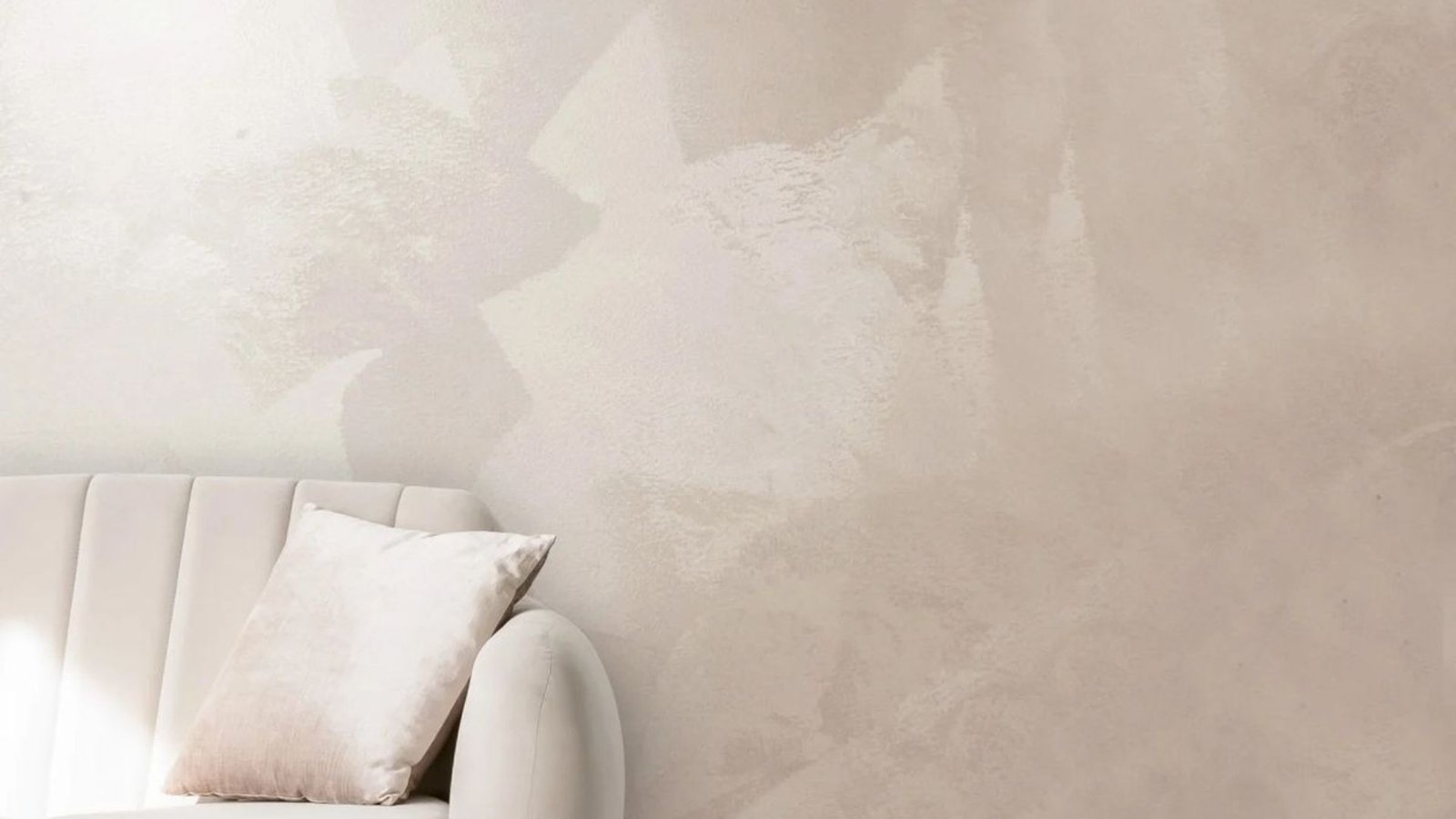
Satin paint has a soft sheen that sits between matte and glossy finishes. It reflects enough light to give light colors more depth while keeping the look subtle and refined.
The finish adds presence without drawing too much attention.
Satin is also durable and easy to clean, making it ideal for high-traffic areas. Dining rooms and home offices benefit from its polished appearance, which feels put together while remaining warm and residential.
Textured Finishes
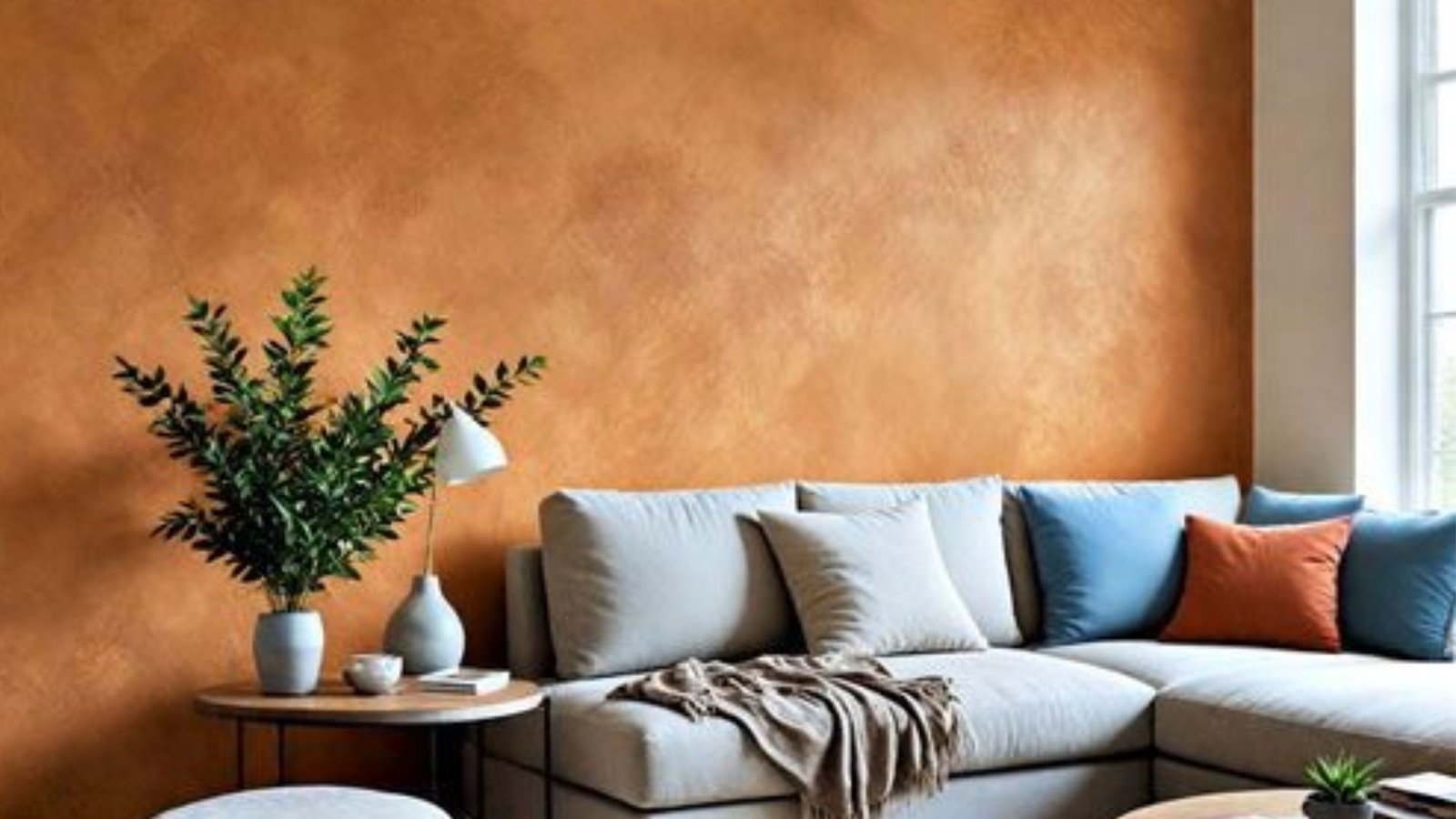
Textured finishes add physical depth to walls and make the surface part of the design. Texture creates natural shadows that shift throughout the day, giving light colored accent walls more visual interest. Techniques like orange peel, skip trowel, or knockdown can make a space feel custom and refined.
Heavier textures suit bohemian, eclectic, and Mediterranean styles, while smooth walls work better for modern or minimalist spaces. Light paint colors highlight texture beautifully, adding character and richness to otherwise simple shades.
Common Mistakes to Avoid
Learn from other people’s errors. These mistakes are common and completely avoidable if you know what to watch for.
- Avoid random accent walls with no purpose, as they create an unfinished look instead of intentional design.
- Choose accent walls that highlight features like fireplaces, built-ins, alcoves, or unique shapes rather than flat, empty walls.
- Work with the room’s architecture, ceiling height, natural light, size, and layout to select the right wall and color intensity.
- Coordinate colors with existing furniture and decor, and always test paint in real lighting before committing.
- Execute fully by painting trim and baseboards, avoiding small gaps, and carrying color to corners or ceilings when appropriate.
Conclusion
A light accent wall can brighten a room and define spaces. Choose a wall that highlights architectural features or frames a specific area for the best effect. Soft paint opens small spaces, while LED lighting adds modern interest.
Test colors in different lighting to see how they change. Lighter shades help dim rooms, and adding textures or trim creates depth without overwhelming the space.
Start with one room and try a light accent wall to notice the difference. Share your ideas in the comments to inspire others and see creative ways to brighten a home.
Frequently Asked Questions
What color should I choose for a light accent wall?
Popular choices include soft whites, pastels, sage green, powder blue, and light gray. Consider your room’s natural light and existing decor. Lighter shades work best in small spaces or rooms with limited sunlight, creating an open, airy feel while complementing darker furniture.
Should my accent wall be lighter or darker than other walls?
For brightening purposes, choose a lighter shade than your main walls. Light accent walls make rooms feel larger and more spacious, especially in small areas. They work well to highlight architectural features while maintaining an open, fresh atmosphere throughout the space.
How do I make a light-up accent wall?
Paint your wall, install trim pieces, then sandwich thin trim behind the main trim. Attach LED strip lights to the hidden trim edges. Conceal visible wiring with painted electrical tape. This creates a backlit effect that adds modern ambiance to offices, bedrooms, or entertainment spaces.
Where should I put a light accent wall in my home?
Place light accent walls behind beds, fireplaces, built-ins, or in hallways. They work well in breakfast nooks, home offices, and areas with unique architecture. Choose walls that highlight features or define zones in open-concept spaces rather than random placement.
What paint finish works best for light accent walls?
Matte finishes create soft, cozy atmospheres in bedrooms and living rooms. Satin finishes offer subtle sheen and durability for dining rooms and offices. Both work well with light colors. Avoid high-gloss finishes as they can look too reflective on accent walls.